A Tool for Ocean Mapping Now in Your Pocket — But Is It for Your Ocean?
Samsung has opened Ocean Mode to mass users — a feature developed for coral reef researchers. The problem: IP68 does not protect against saltwater, and the name "Ocean Mode" may promise more than physics allows.

By Tetiana Suchkova-Ladik
April 9, 2026 · 2 min read
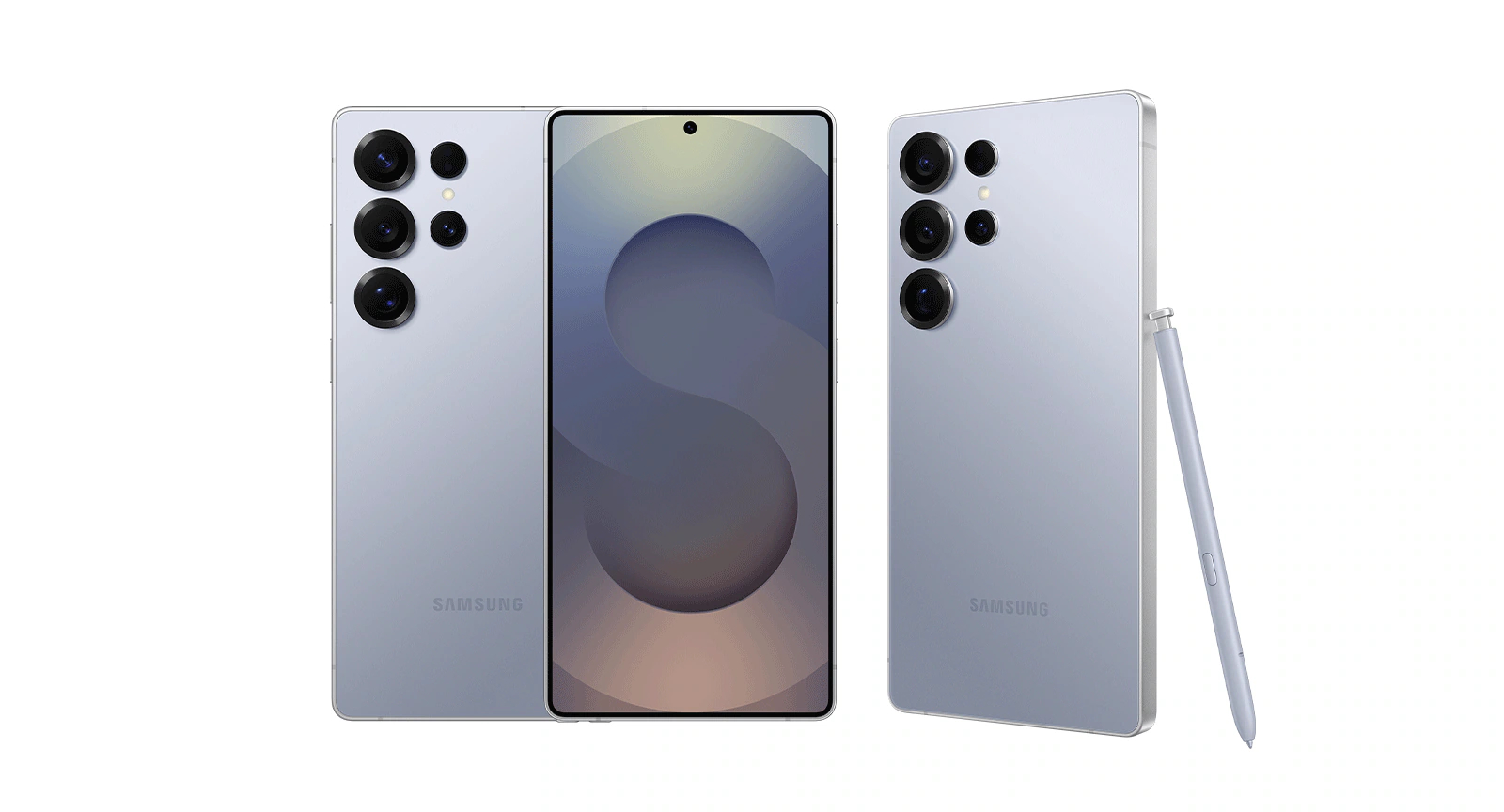
By April 2025, Ocean Mode existed exclusively as a tool for scientists: Samsung developed it jointly with the organization Seatrees for mapping coral reefs and monitoring marine ecosystems. Now the same algorithm has appeared in Expert RAW (version 5.0.08.2) in the beta version of One UI 8.5 for the Galaxy S25 Ultra — and this is the first time the technology has gone beyond closed environmental projects.
What the mode can do
Ocean Mode corrects color distortion and visual deformations that occur when the camera is underwater. In addition to automatic color correction and reduction of motion blur, the mode offers interval shooting: continuous frames every 2, 5 or 10 seconds — an option that previously helped researchers capture slow changes in underwater landscapes.
Where the line between marketing and reality lies
The name "Ocean Mode" creates expectations that the phone's specifications cannot meet. The IP68 certification of the Galaxy S25 Ultra applies exclusively to fresh water — salt water, chlorinated pool water and increased pressure at depths greater than a few meters are not included in the rating.
"Dipping your phone in salt water could ruin the watertight seals"
Android Authority
In practice, this means that Ocean Mode is designed for wading near the shore, snorkeling near the surface — but not for full-fledged diving. In other words, where Ocean Mode is most needed, the phone is most vulnerable.
The path from laboratory to App Store
The Galaxy S26 Ultra received Ocean Mode first, and only now is the feature rolling out to the previous flagship. Previously it was unavailable to the general public — which in itself is unusual: Samsung kept the useful algorithm exclusively for partner research projects for years. There is a possibility that Ocean Mode will eventually become available for the Galaxy S24 Ultra as well — the hardware capabilities allow for it.
An open question: if Samsung knows that IP68 does not protect against salt water, will an official underwater case or partnership with case manufacturers appear along with Ocean Mode — or will the feature remain a beautiful demonstration without a real use case for most buyers?