iPhone 17e: a more affordable iPhone with A19 and MagSafe — what it means for Ukraine
Apple unveiled the iPhone 17e — a model with the A19 chip, C1X modem and 256 GB of base storage, priced at $599. We examine why these technical upgrades matter not only for buyers in the U.S. but also for users and organizations in Ukraine.

By Tetiana Suchkova-Ladik
March 2, 2026 · 2 min read
In brief
Apple has announced the iPhone 17e — a more affordable model in the iPhone 17 lineup. The US price starts at $599, with a base storage of 256 GB. This release deserves close attention: the combination of a modern chip, an energy-efficient modem, and satellite services makes the device interesting both in areas with limited coverage and for easing aid logistics.
What’s new
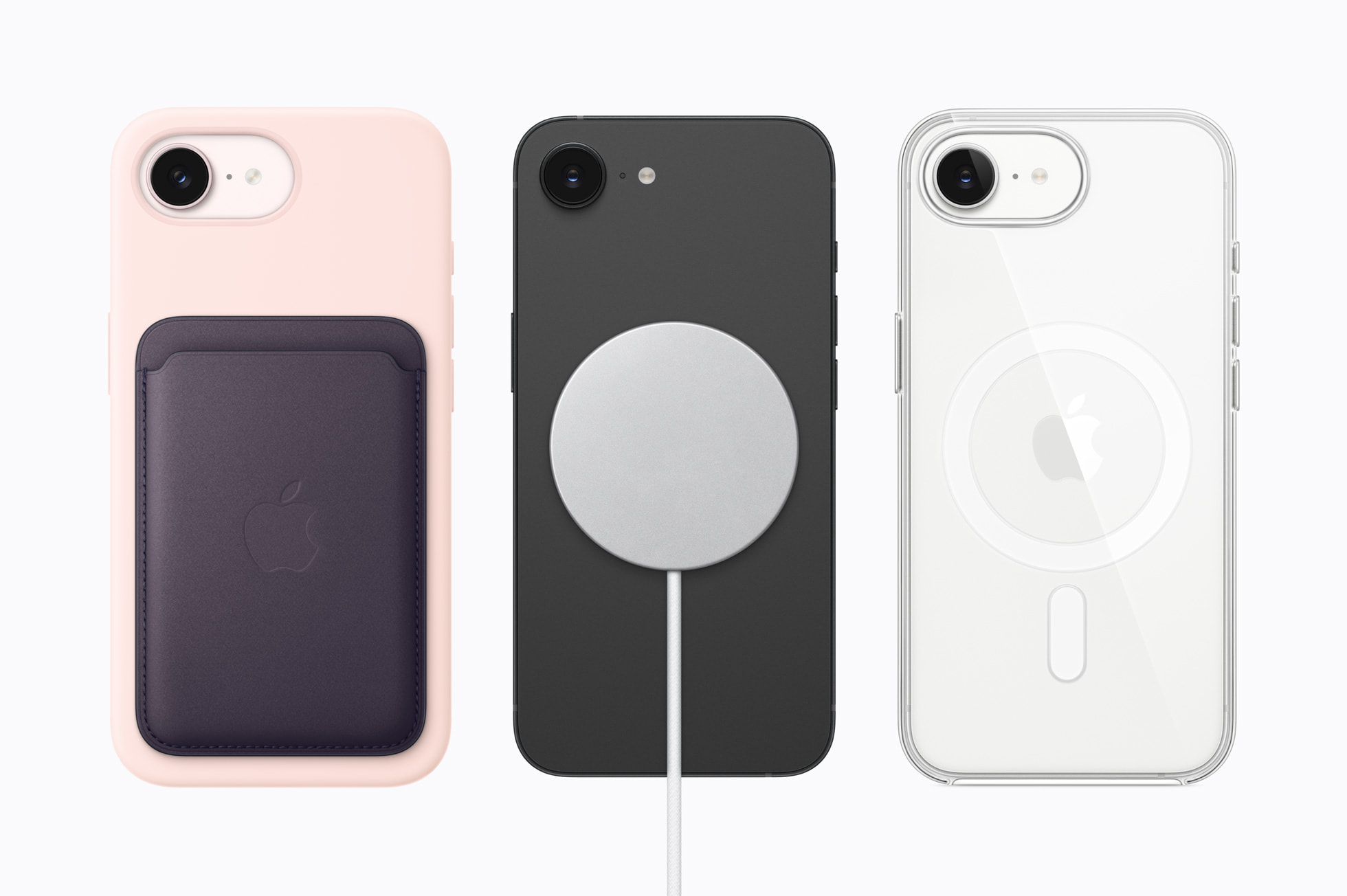
The model features a 6.1-inch Super Retina XDR OLED display and a new protective glass, Ceramic Shield 2 — Apple says it is three times more resistant to scratches compared to the previous generation. The body is made of aerospace-grade aluminium and offers IP68 protection. It supports MagSafe, Qi2 wireless charging up to 15 W, and charging via USB‑C to 50% in about 30 minutes.
Chip and energy efficiency
The device is powered by the A19 chip, built on a 3‑nm process: a 6‑core CPU, a 4‑core GPU with hardware ray tracing, and a 16‑core Neural Engine for AI tasks. Apple says the 17e is up to twice as fast as the iPhone 11. The C1X modem runs up to twice as fast as the C1 in the iPhone 16e and consumes 30% less power — an important factor for users in the field and organizations that need reliable devices with longer battery life.
Camera and connectivity
The main camera is a 48 MP Fusion sensor, shooting by default at 24 MP and offering 2× optical zoom without loss of quality. It supports 4K with Dolby Vision up to 60 fps, spatial audio, and an updated Portrait mode with the ability to edit depth of field after shooting. The device also supports satellite services: Emergency SOS, Messages via satellite, Roadside Assistance, and Find My — features that genuinely increase communication resilience outside traditional coverage.
Apple introduced the iPhone 17e — a more affordable model in the iPhone 17 lineup.
— Apple (announcement)
Why this matters for Ukraine
First, the starting price and modern internals make the iPhone 17e a potentially attractive choice for volunteer networks, NGOs, and individual users who need a reliable device without a premium price tag. Second, satellite services and the energy-efficient modem are not just conveniences: in areas with disrupted coverage they can provide critical communications. Third, the powerful Neural Engine enables on-device tasks (photo processing, AI models) without constant reliance on the cloud — a plus for privacy and autonomy amid cybersecurity risks.
What to expect next
The question now is logistics: when and at what price the iPhone 17e will appear officially in Ukraine, how quickly local operators and distributors will enable the satellite services, and whether special offers will be made for government bodies and humanitarian initiatives. Analysts note that Apple’s “e” models are aimed at expanding market reach — so broader distribution is possible, but decisions will be made by suppliers and partners in Ukraine.
Conclusion
The iPhone 17e is not just a “more affordable” version but a product with a set of features that have practical significance when reliable connectivity, autonomous operation, and energy efficiency are matters of security. The next step is to check prices and availability in Ukraine and to practically assess how well the new model meets the needs of field users and organizations.