iPhone 17 compatible with MagSafe for iPhone 16 — what this means for Ukrainian owners
iFixit has shown that the MagSafe module from the iPhone 17e fits the iPhone 16e — a compatibility that could extend the older handset's life, reduce costs and support local repair shops. We examine the limitations and practical implications.

By Tetiana Suchkova-Ladik
March 18, 2026 · 2 min read
Why this matters right now
Experts at iFixit disassembled the budget iPhone 17e model and found a simple but important detail: the MagSafe module is the same size as the one used in the iPhone 16e. For the Ukrainian market, where preorders for the 17e are already open, this is not just a technical curiosity but a real opportunity to save money and extend the device’s life without a full replacement.
What iFixit's teardown revealed
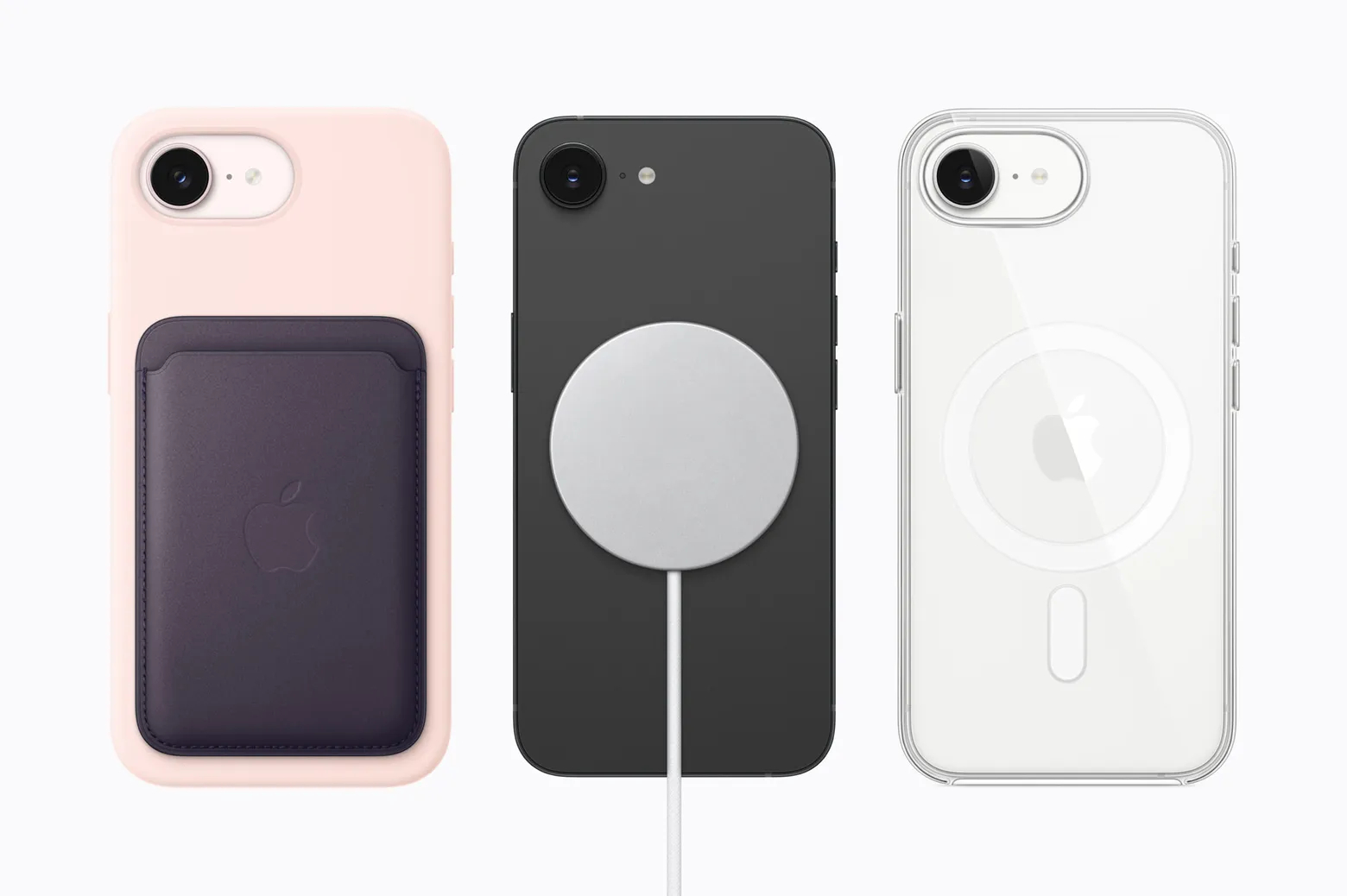
During the teardown, the iFixit team confirmed that the MagSafe panel in the iPhone 17e has the same dimensions as in the iPhone 16e, so it can physically be installed in the previous model. At the same time, the company warns about important limitations — software support on the iPhone 16e is lacking, meaning full MagSafe behavior (animations, interactions with accessories) is not guaranteed, and the maximum wireless charging speed may differ.
“The MagSafe panel in the 17e is dimensionally compatible with the 16e, but full operation depends on software and charging-speed tests.”
— iFixit, teardown team
Practical significance for iPhone 16e owners
For the user this means two things: first, physical compatibility offers a chance to upgrade functionality without buying a new housing. Second, software support limitations mean expectations of the full suite of MagSafe features may not be met. Industry analysts note that this approach is a way to standardize components for manufacturing and service, but not always a guarantee of a complete user experience.
Repairability and the battery
The iPhone 17e received a 7 out of 10 repairability score from iFixit — on par with its predecessor. An important change: the battery can be replaced without removing the display, although it is still secured with adhesive. To disconnect it, adhesive that loosens under an electric pulse is used — technically convenient, but it requires appropriate equipment in service centers.
Other changes and availability in Ukraine
In addition to MagSafe, the 17e is equipped with an A19 processor, an updated modem, and increased base storage. Most internal components remain compatible between generations. Preorders for the iPhone 17e are already open in Ukraine, as are preorders for the MacBook Neo and MacBook Air M5; Apple also announced the AirPods Max 2 with the H2 chip and improved ANC.
Conclusion
This is an example of engineering unification: physical compatibility offers a chance for savings and support from local service centers, but the full user experience depends on software and charging tests. For Ukrainian owners and repair shops, this could become a practical way to extend a device’s life — the question is how widely service centers will be able to take advantage of this possibility.
Now it's up to users and services: will compatibility turn into an affordable upgrade, or remain a technical curiosity — time will tell.