iPhone 17e With MagSafe and 25W: What to Expect and What It Will Mean for Ukrainians
The Information reports: the next "affordable" iPhone will get magnetic wireless charging up to 25 W and a new C1X modem. We explain why this is more than just faster charging and how the changes will affect the market and users in Ukraine.

By Tetiana Suchkova-Ladik
December 17, 2025 · 2 min read
In short — why it's worth noting
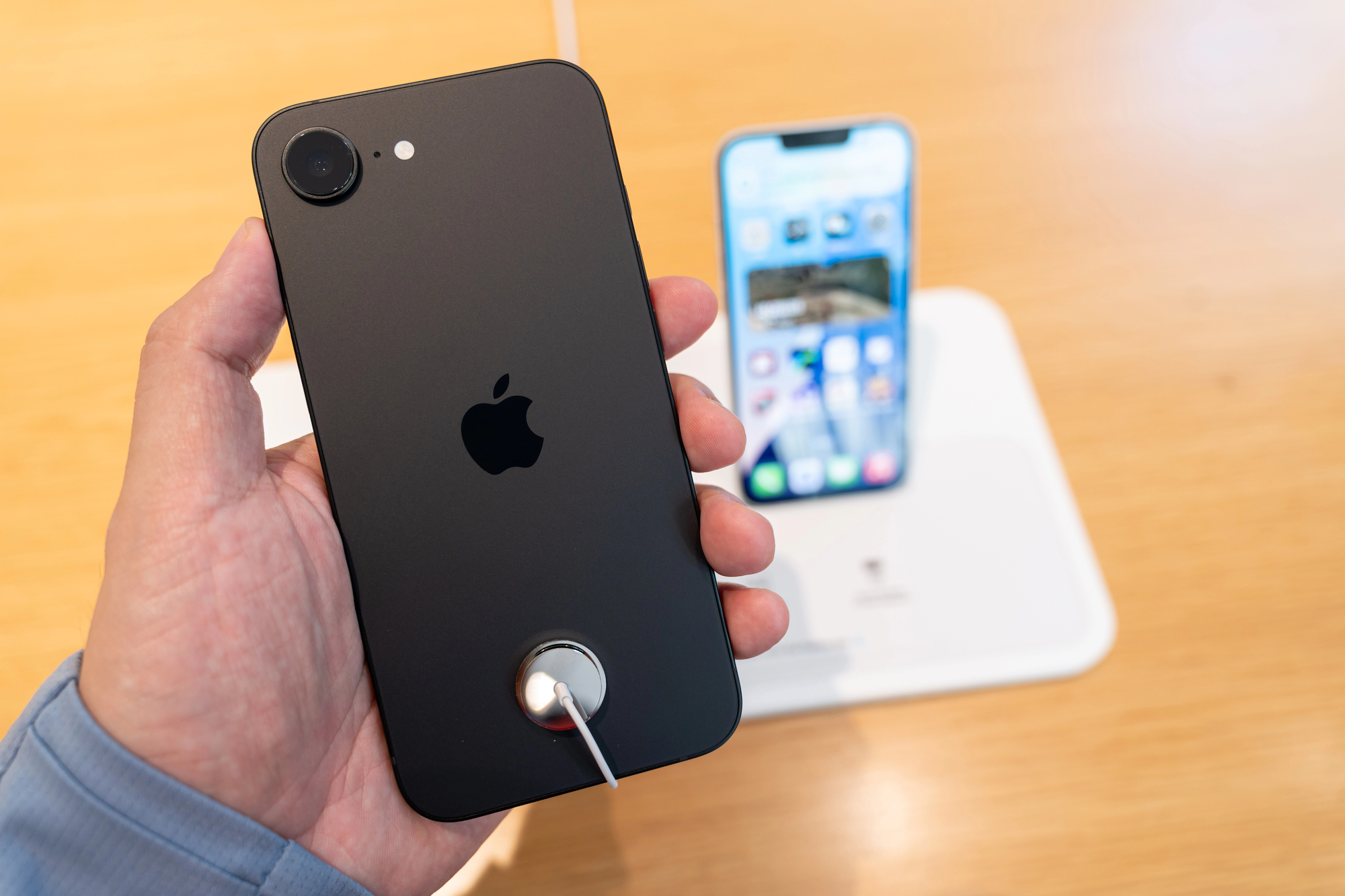
According to The Information, Apple plans to add support for MagSafe and increase wireless charging power to 25 W in the iPhone 17e model, positioned as a more affordable version of the lineup. At the same time, the smartphone is expected to receive the second generation of the company’s modem — the Apple C1X. Release is scheduled for spring 2026; in Ukraine the iPhone 16e is on sale starting at ≈24,000 UAH, so the 17e will likely remain in that price niche.
What will change
The iPhone 17e will keep its 6.1-inch OLED display and 48 MP camera, but the key updates are power and connectivity. The MagSafe magnetic attachment means not only one-motion convenience but also wider access to the accessory ecosystem: fast mounts, power banks, and charging stations. With faster 25 W wireless charging, charging the phone with a compatible MagSafe will be noticeably quicker than the standard 7.5 W Qi charging on the 16e.
Why Apple is making this move
There are several reasons explaining this development path:
- Ecosystem unification: MagSafe has become part of Apple’s product relationship with accessories — increasing support boosts sales of compatible solutions and user loyalty.
- Competitive pressure and consumer expectations: users expect faster charging and simple everyday solutions even in the more affordable lineup.
- Control over key components: the transition to the Apple C1X modem is a step toward reducing dependence on third-party chipmakers and potentially improving security and energy efficiency optimization.
What this means for the market and users in Ukraine
For the Ukrainian market, the main consequences are increased demand for MagSafe accessories and possible shifts within the price segment. If the 17e remains the “affordable” model, many users who previously sought compromises will gain a practical advantage: faster charging without the need for expensive wired solutions. It’s also worth noting that the arrival of an in-house modem could positively affect software update support and connection stability.
"MagSafe in the 17e is not just a marketing gimmick — it’s a signal: Apple is bringing base models closer to the premium ecosystem, and users get a noticeable benefit in daily use."
— RazomUA Editorial
Additional details and context
Leaks from iOS 26 already include plans for new gadgets and chips, and Apple itself has warned about spyware threats — all of which underline that the company is ramping up both hardware and software fronts. The presence of a USB‑C port on the 17e, the Action button and a processor from the A-series with support for Apple Intelligence will keep the model functionally modern, aimed at the mass consumer.
Forecast
This update is unlikely to immediately overturn the market, but it reinforces the trend: speed and accessory integration are becoming standard even in “affordable” models. For Ukrainian users this means better convenience without a significant price jump — assuming Apple maintains the 17e’s positioning. Now the focus shifts to details: official specifications and local retail availability will determine how widespread the benefits of these changes will be.



