iPhone 5 officially recognized as 'obsolete': what it means for owners in Ukraine
Apple has classified the iPhone 5 and iPhone 4 (8GB) as "obsolete" — official parts and service are no longer available. We examine why this matters for users and the used-device market in Ukraine.

By Tetiana Suchkova-Ladik
March 17, 2026 · 2 min read
What happened
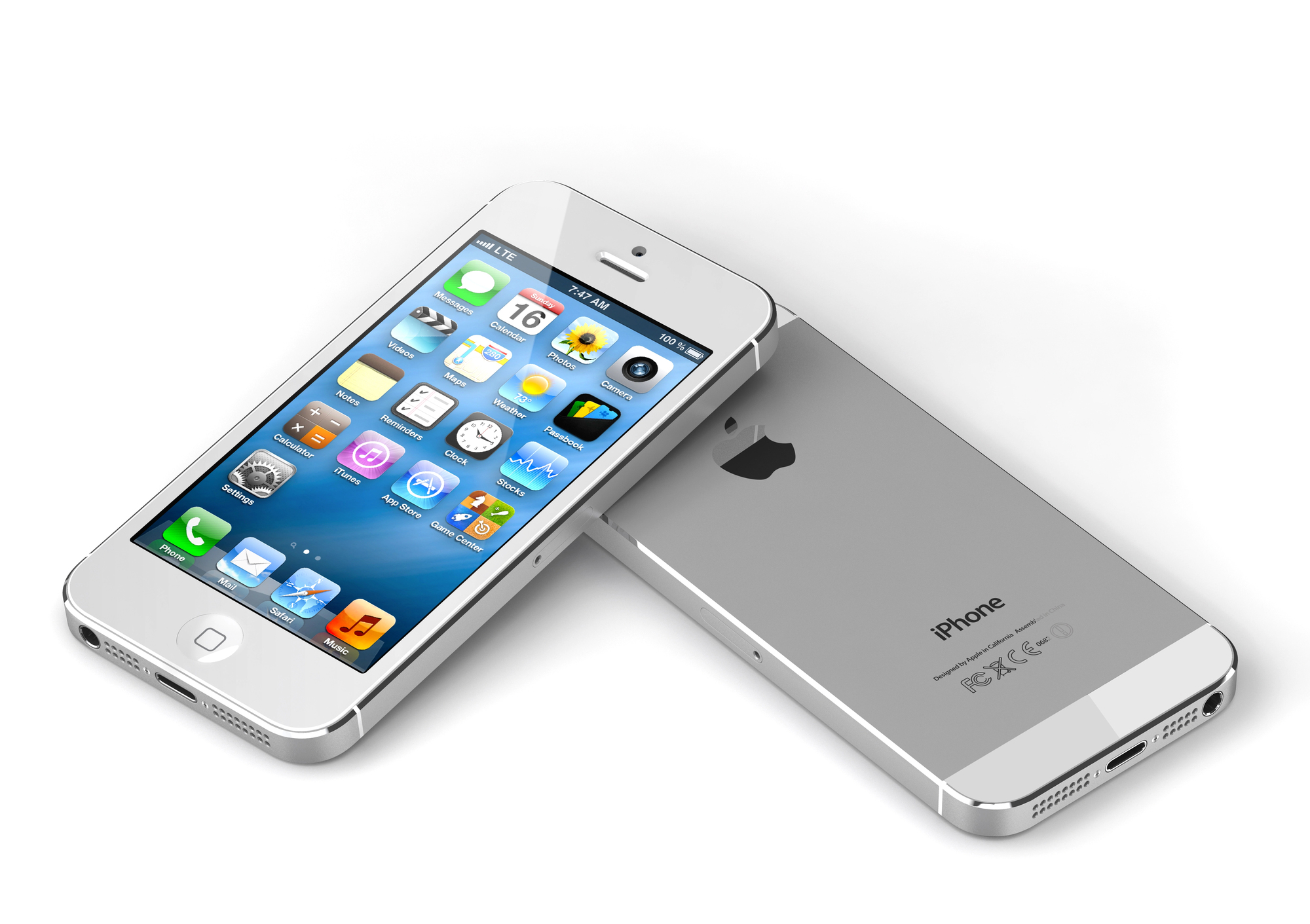
Apple has added the iPhone 5 and the iPhone 4 (8GB) to its list of obsolete devices. Under the company’s policy, a model is considered vintage roughly five years after sales end and obsolete — about seven years; for such devices the supply of original parts and official service is discontinued.
Why it matters
The iPhone 5, released in 2012 and discontinued in 2013, was the first iPhone with the Lightning connector and changed the design and functional expectations for smartphones of its time. It now definitively loses supported-hardware status — this has practical consequences for owners.
"A product is considered obsolete when Apple stopped distributing parts and service for it."
— Apple Support
Consequences for users and the market in Ukraine
Official repairs and original spare parts will become unavailable. For the Ukrainian market this means the role of the secondary market and independent repair shops will only grow. Many iPhone 5 devices may continue to work correctly after official support ends, but if they break their recoverability will depend on the availability of compatible parts and the technicians’ qualifications.
Practical recommendations
In short — what iPhone 5 owners should do:
- Make a backup of your data and move important files to a newer device or the cloud.
- Check the condition of the battery and components at an independent service center: sometimes replacing the battery can extend a device’s life for years.
- Consider trading in or selling through trusted platforms or service networks.
- Support local repair shops — this strengthens Ukraine’s repair infrastructure during the challenges of the economy and war.
Context
This is the natural lifecycle of hardware: manufacturers focus resources on new models (while Apple refreshes its lineup and launches pre-orders for current models in Ukraine, older devices lose support). For government and business this is a reminder of the importance of policies on electronic waste, the secondary market, and local service infrastructure.
After the official end of parts supply the issue is not only about repairs: it also affects data security, access to updates, and long-term usability. Whether Ukraine’s used-device market and repair shops can fill the gap will determine how smoothly iPhone 5 owners transition to new solutions or keep their smartphones operational.



