iPhone Fold on the way: renders, specs and what it means for Ukraine
Sonny Dickson has published new CAD renders of the iPhone Fold — the device could appear as soon as this year alongside the iPhone 18 Pro. We break down which technical solutions to expect, how much it might cost, and why Ukrainian users should keep an eye on it.

By Tetiana Suchkova-Ladik
March 10, 2026 · 2 min read
What happened
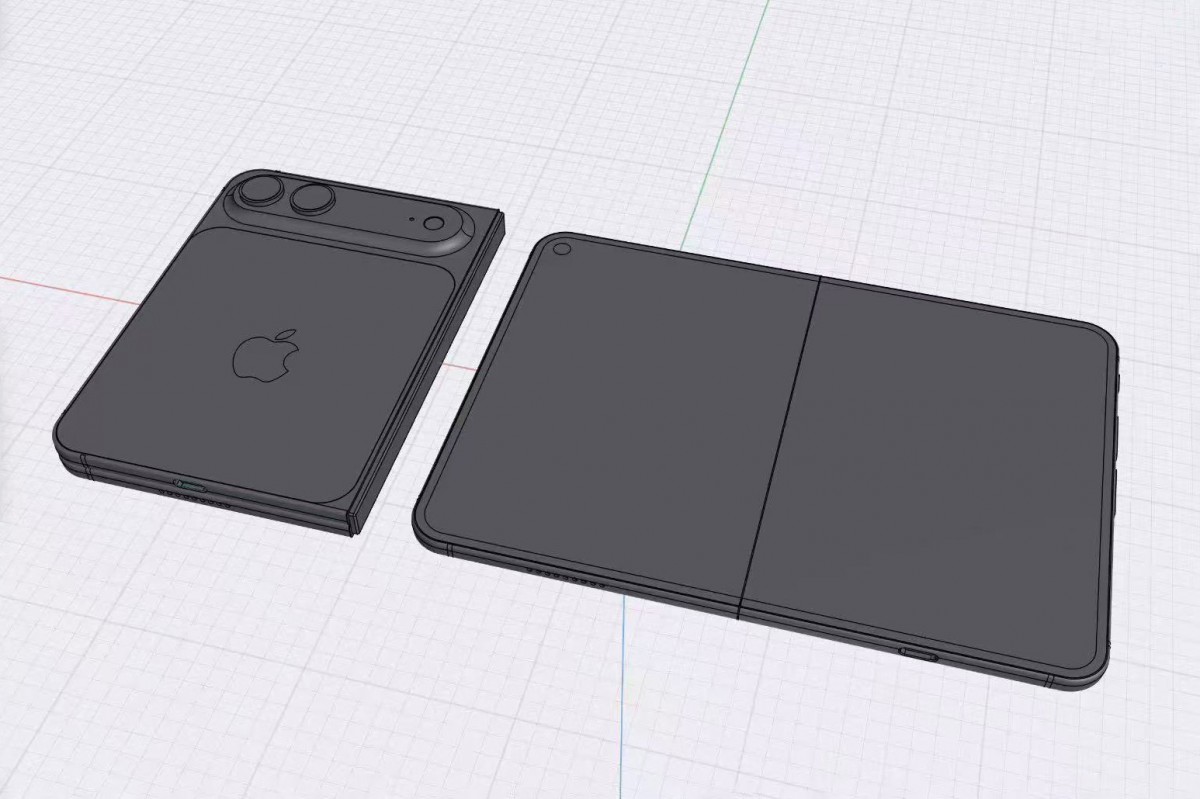
Insider Sonny Dickson posted CAD renders online of a possible foldable iPhone — the iPhone Fold. According to the leaks, the presentation could take place this year alongside the iPhone 18 Pro lineup. The renders provide a first look at the shape, dimensions and component set, but are not confirmation of the final design.
"The renders give an idea of proportions and mechanics, but the final version of the device may differ"
— Sonny Dickson, insider
What the images show
Key details appearing in the leaks:
External display — about 5.5 inches with an aspect ratio of ≈4:3 and a cutout for the front camera, reminiscent of the first Pixel Fold.
Internal screen — roughly 7.8 inches with an "almost unnoticeable" crease at the fold.
Cameras — a module with two sensors, the main one oriented around 48 MP.
Construction — mentions of a liquid metal hinge and a titanium frame; battery — approximately 5500 mAh. Starting price, per the leaks, will exceed $2000.
Why it matters
Entering the foldable market would mean two things for Apple: a technological signal to competitors and a rethinking of premium pricing policy. For the user it means greater battery life and new form factors, but also a higher cost of ownership: repairs and access to service for a folding body will be more expensive, and official shipments to Ukraine could be delayed.
In the context of security and everyday use in Ukraine, a larger battery is a practical advantage during power outages. At the same time, foldable mechanical assemblies imply increased demands on service infrastructure, which needs to be built locally to avoid reliance on unofficial imports.
What to remember
Renders are not an official presentation. Apple often experiments with materials, hinges and camera configurations before the final release. Price and exact specifications may change, and availability for the Ukrainian market depends on logistics, finding suppliers and the exchange rate of the hryvnia.
If Apple does release the iPhone Fold in the premium segment, it will push competitors and the accessory market, but will also place demands on local service and import policy.
Summary
The renders give a real reason to take a closer look: the iPhone Fold could become a technical marker of a new cycle of innovation, but for the Ukrainian consumer the key factors will be price, service and availability. Whether Apple makes foldable screens mainstream depends not only on design, but on how quickly the market (and we, in particular) can adapt to the new requirements.