Israel displays F-16I armed with four Rampage missiles — what it means for long-range strike strategy
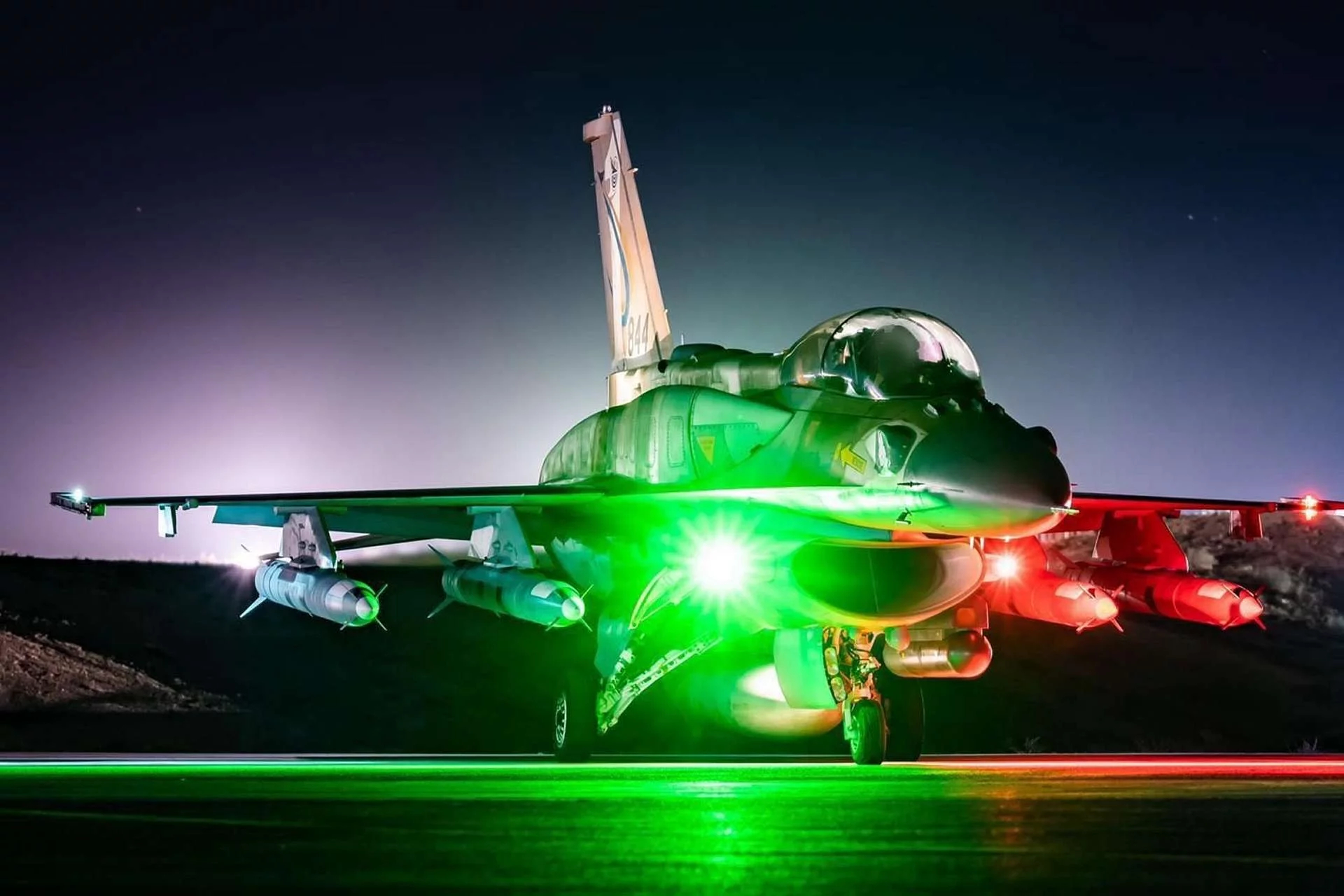
A new image from the Israeli Air Force shows an F-16I configured with four Rampage missiles. We examine the technical rationale and the tactical implications for air operations and air defense.

By Tetiana Suchkova-Ladik
March 9, 2026 · 2 min read
What was shown
The Israeli Air Force published on X a photo of an F‑16I Sufa fighter armed with four long‑range Rampage missiles. The image drew attention: earlier publicly available photos showed the aircraft in a mixed configuration — two Rampage and two air‑to‑air missiles. The new configuration emphasizes a strike role rather than an air‑combat role.
"The photo shows an F‑16I in a four‑Rampage configuration — another step in strengthening long‑range strike capability"
— Israeli Air Force, post on X
What Rampage is and why it matters
Rampage is a precision air‑to‑surface missile capable of operating at a range estimated at approximately 150–250 km. Such range allows launches from beyond the engagement envelopes of many fixed air‑defense systems, striking high‑value targets: air‑defense positions, radars, command posts and depots.
The key effect is the relative safety of the platform: a crewed aircraft can remain outside dense air‑defense zones while delivering precision strikes. For those following the evolution of air strikes, this means growing importance of long‑range cruise/strike weapons and protected targeting links.
F‑16I — a platform for these strikes
The F‑16I Sufa is the Israeli modification of the F‑16D Block 52+, with conformal fuel tanks, a two‑seat cockpit and locally developed avionics. These changes increase the aircraft's range and versatility, allowing it to combine reconnaissance, targeting and long‑range strikes in a single mission.
Tactical and strategic implications
First, the appearance of such configurations in the public domain is an element of demonstrating combat capability: it signals to partners and adversaries that strike options exist and can be employed at ranges that complicate defense planning.
Second, for defenders this raises requirements: there is a need to develop mobile and distributed air‑defense systems, integrated detection, and protected command systems capable of countering long‑range launches.
Context and verified sources
The image was released by the official account of the Israeli Air Force; the technical characteristics of Rampage, according to open defense sources, are estimated at 150–250 km. Earlier publicly available photos showed other F‑16I weapons configurations, indicating the platform's flexibility depending on the mission.
Conclusion
This public image is not just a technical announcement; it is a reminder of how air tactics are changing: control of distance, precision and integration of intelligence are becoming more important than mass presence in the air. For Ukraine and its partners the lesson is clear — modernized air defenses, effective detection of launches and the ability to counter long‑range missiles remain priorities in defensive strategy.