Kawasaki demonstrates cruise missile with up to 2,500 km range — a challenge for air defenses and a hint to the defense industry
Japan has for the first time unveiled a demonstrator of a long-range cruise missile. This is not merely a technological gesture — such a project forces a reassessment of approaches to air defense and allied cooperation.

By Tetiana Suchkova-Ladik
January 26, 2026 · 2 min read
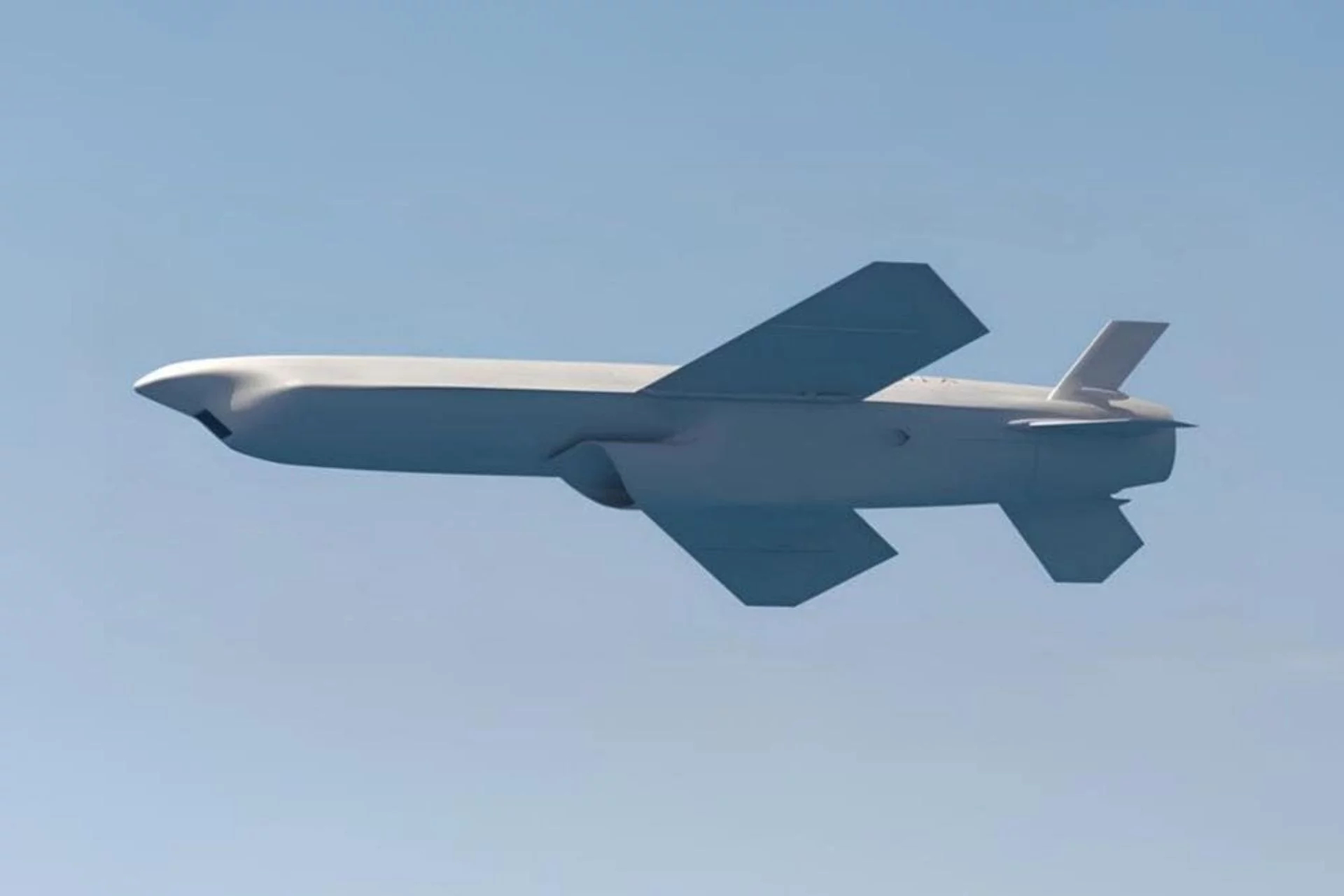
What was shown
According to the Japan Procurement, Technology & Logistics Agency, Kawasaki unveiled a demonstrator of a long-range cruise missile with a design range of up to 2,500 km. The missile is being developed for launches from ships and mobile launchers; variants include a high-explosive warhead as well as packages for electronic warfare and reconnaissance.
Technical profile
Kawasaki has developed a compact turbofan engine that enables sustained subsonic speed over long distances. The demonstrator can perform sharp maneuvers during its approach to a target — a feature that makes it harder for typical air-defense systems to counter. A production version is expected roughly between 2030 and 2033.
"The demonstrator shows a path toward creating systems capable of operating from sea and land at significant ranges, with means that complicate the work of air defenses."
— Japan Procurement, Technology & Logistics Agency
Position: why this matters for air defenses and regional security
Such projects do not change the game instantly, but do so systematically. A missile with a range of up to 2,500 km allows striking distant targets without air operations, and maneuverability combined with electronic countermeasures increases the likelihood of penetrating modern air-defense systems. For countries that rely on multi-layered defenses, this is a signal: they need to accelerate modernization of sensor networks, integrate command systems, and develop long-range interception capabilities.
Context and consequences
Kawasaki’s development is part of a broader trend: Japan’s industrial capacity is being converted into operational capabilities that combine civilian innovation with defense requirements. At the same time, Japan is working on its own air-defense systems and transport infrastructure (including for liquefied hydrogen), which points to a coherent technological development strategy.
What’s next
The key question now is how quickly and in what form the project will become a serial production item, and what export policy will be chosen. For allies, this means a need to coordinate intelligence, adapt air defenses, and establish common countermeasures. That said, the technology itself is not a verdict; what matters more is how societies and partners use this technological shift in political and defense terms.
Forecast: over the next decade, testing and phased integration are expected, which will lead to increased attention to early-warning systems and electronic warfare. The open question is whether air-defense systems will be able to adapt in time to the growing capabilities of long-range strike weapons, and how closely this will be coordinated within alliances.