Hackers distributed more than $13 million in Rainbow Six Siege — what it means for gamers and cybersecurity
At the end of December Ubisoft was forced to completely shut down Rainbow Six Siege after a hack: players were accidentally credited with in-game currency and expensive items worth more than $13 million. This is not just damage to the virtual economy — it’s a test of trust in platforms and the protection of players’ rights.

By Tetiana Suchkova-Ladik
December 29, 2025 · 2 min read
Putting emotions aside and analyzing the facts
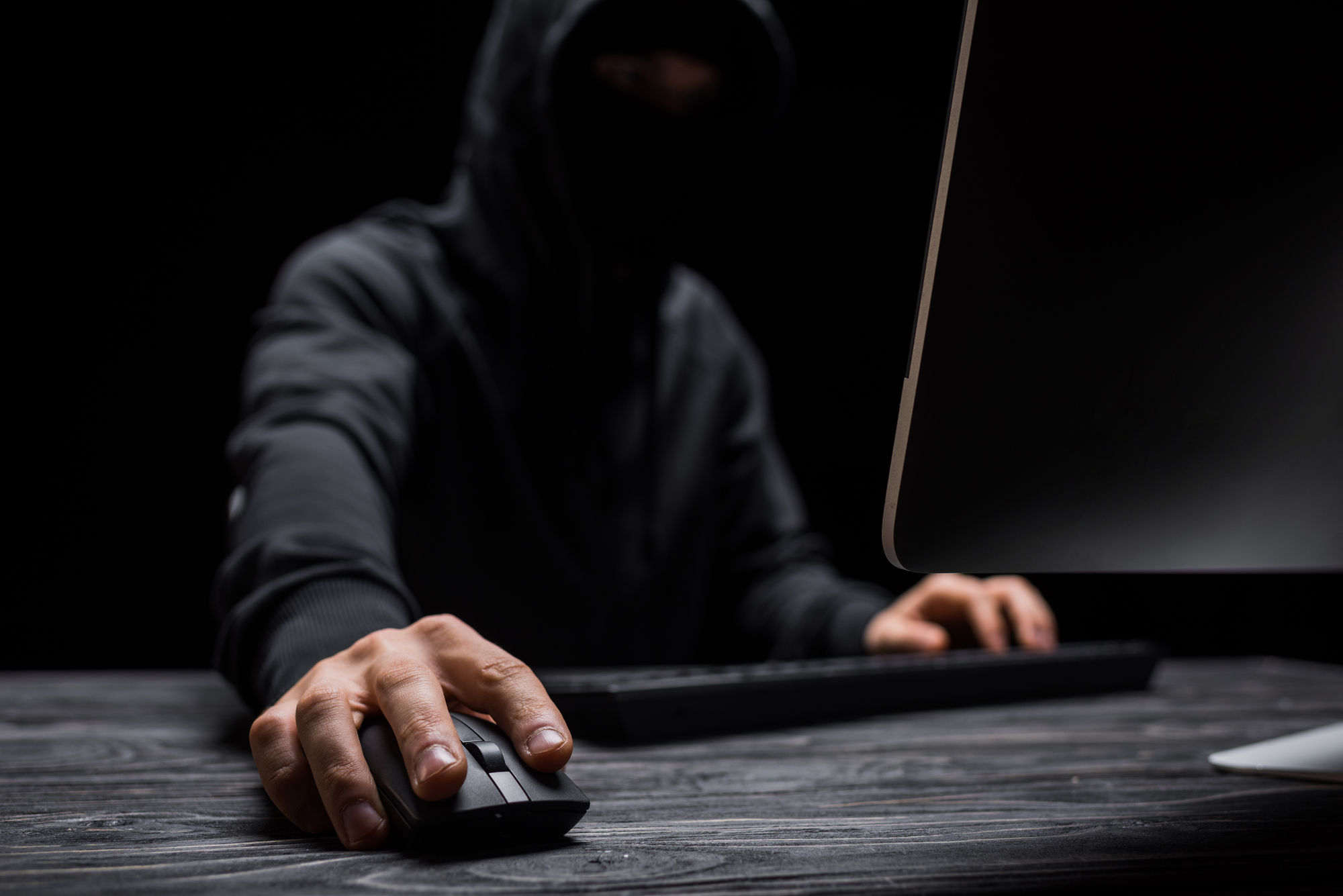
French publisher Ubisoft on the evening of December 27 detected unauthorized access to Rainbow Six Siege systems and temporarily shut down the game's servers entirely, Gizmodo reports. Partial restoration of the service occurred only on the morning of December 29.
Timeline of the outage
According to reports, the attackers were able to alter internal mechanics: players were randomly granted in-game currency and expensive store items. The amount analysts estimate as the real equivalent value of these “gifts” exceeds $13 million. Ubisoft promised not to apply sanctions to users who made use of the obtained content.
"Ubisoft has promised that it will not apply sanctions against players who managed to take advantage of the 'gifts' from the hackers."
— Ubisoft, press release (as reported by Gizmodo)
Why this matters
Gaming platforms have long ceased to be mere entertainment: they operate large virtual economies that have equivalents in real money. When these systems break, a publisher's reputation and players' financial security are put at risk. For Ukrainian gamers and developers, this is also a reminder: our digital infrastructure needs protection just as much as the physical.
Wider context
The Ubisoft incident fits into a broader picture of platform security issues: from technical failures to regional access restrictions reported by major publishers in recent months. Against the backdrop of decisions such as EA's temporary restriction of access in certain regions of Ukraine, the Rainbow Six Siege case underscores how delicate the interaction between politics, business and user rights is.
What players and publishers can do
Players — check account security: update passwords, enable two-factor authentication, and monitor payment transactions. Publishers — increase the transparency of investigations and inform the community faster about risks and compensation. Companies operating digital economies should treat cybersecurity as a key element of trust, not as a technical add-on.
Conclusion
The Rainbow Six Siege incident is a reminder that digital security has real consequences for money, reputation and trust. Now the question is not only who is behind the attack, but whether studios will be able to turn these events into systemic changes: stricter protocols, better communication with players and compensation mechanisms. Whether these lessons become a priority will be decided not by algorithms, but by people and the market.