L‑MDM on V‑BAT: How a Lightweight Guided Missile Turns VTOL Drones into Precision‑Strike Platforms
At UMEX 2026, South Korea’s LIG Nex1 and U.S. company Shield AI agreed to integrate the L‑MDM missile onto the V‑BAT unmanned aerial vehicle. The technical move carries practical implications for strike-drone tactics and for allied defense-technology markets.

By Tetiana Suchkova-Ladik
January 23, 2026 · 2 min read
Easy, precise, VTOL: what was announced at UMEX 2026
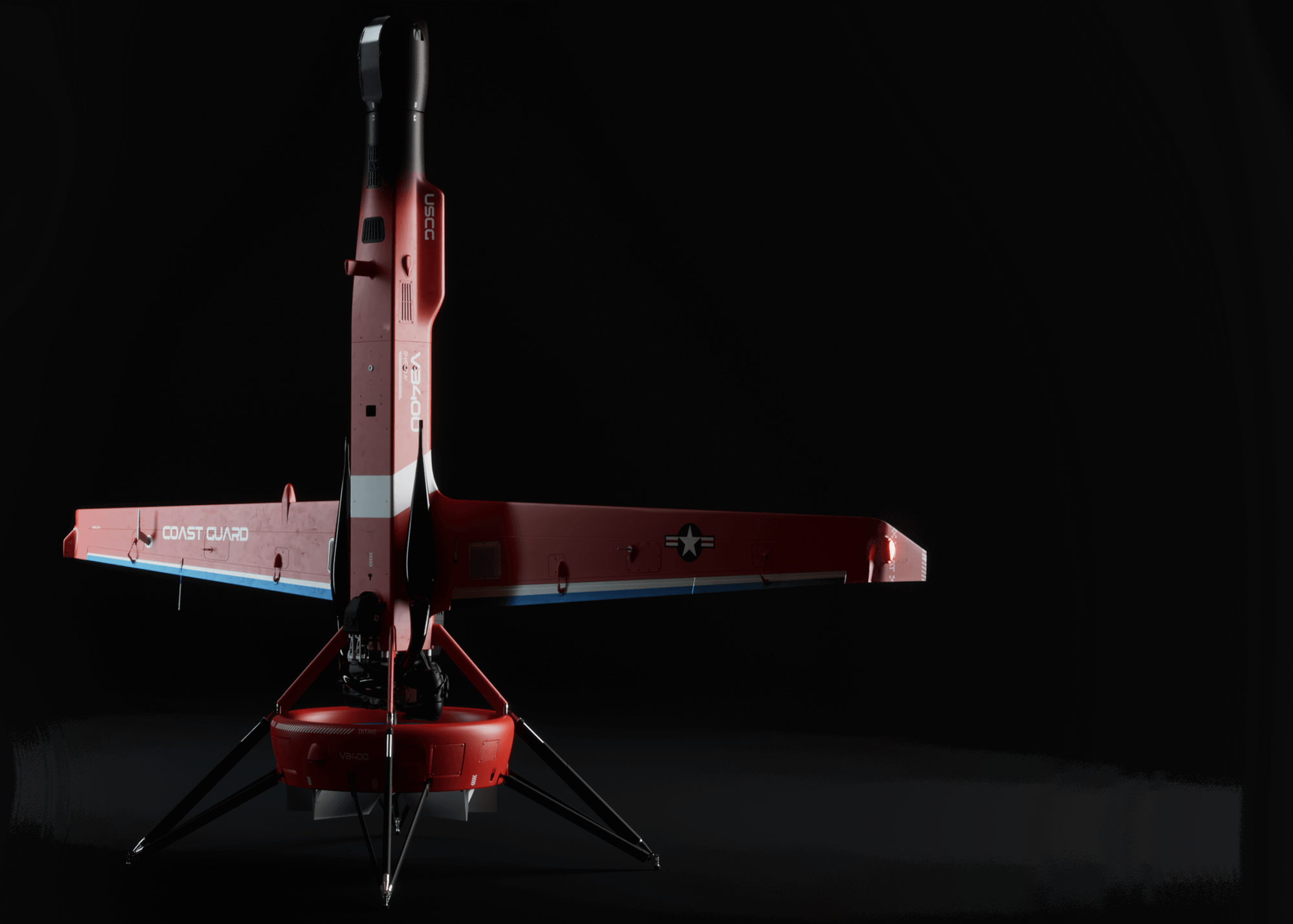
At UMEX 2026 in Abu Dhabi, LIG Nex1 and Shield AI signed a contract to integrate the South Korean guided missile L‑MDM into the American multifunctional unmanned drone V‑BAT with vertical takeoff and landing. Shield AI announced the deal in an official release: it is a step from project agreements to the practical mounting of weapons on autonomous platforms.
What L‑MDM is and why it matters
L‑MDM is a lightweight guided air‑to‑ground missile with laser guidance, developed by LIG Nex1 for integration on various unmanned platforms. It is designed to engage both static and moving targets with high precision and provides the ability to strike from a safe distance without involving large aircraft or helicopters.
Why V‑BAT matters
V‑BAT is a VTOL platform that combines vertical takeoff capability with the range of a fixed wing. The combination of VTOL and a lightweight guided missile gives operators a flexible, rapidly deployable strike unit that does not require extensive airfield infrastructure. Paired with Shield AI’s autonomous modes, this means lower human risk and faster reaction times to tactical targets.
"This partnership turns developments into operational systems capable of acting autonomously and reliably in challenging conditions."
— Shield AI, UMEX 2026 press release
Context and consequences for allies
The integration of L‑MDM into V‑BAT is part of a broader trend: modular, lightweight munitions are being paired with autonomous platforms. Last year’s agreements between the same companies already envisioned cooperation on combat drones; now the talks are moving toward testing and production. At the same time, Shield AI is demonstrating an autonomous X‑BAT that operates without GPS and a runway, and other market players (startup Anduril, Meta’s developments for the U.S. Army) confirm that the trajectory of development is toward autonomy and integrated sensor‑weapon solutions.
What this means for Ukraine and why to watch
The deal does not automatically imply deliveries to Ukraine, but it establishes a technological trend that our military and manufacturers should take into account. First, rapid integration of modular missiles onto different platforms simplifies the tactical scaling of strike capabilities. Second, for Ukraine’s defense industry this is a signal: partners increasingly work in a "platform kit + modular weapon + autonomy" format, and converting such solutions here will require attention to compatibility, training, and logistics.
The key question now is how quickly this technology will move from demonstrations to a series of tests and operational use, and whether allies and customers can turn declarations into real products and battlefield support.