LG brings back Wallpaper TV: 9 mm wireless OLED W6 — what it means for the Ukrainian market
At CES 2026, LG unveiled the W6 — an almost 'wallpaper' OLED just 9 mm thick with a separate wireless connectivity module. We examine why this format matters not only for design but also for the infrastructure supporting home appliances in Ukraine.

By Tetiana Suchkova-Ladik
January 5, 2026 · 2 min read
Brief
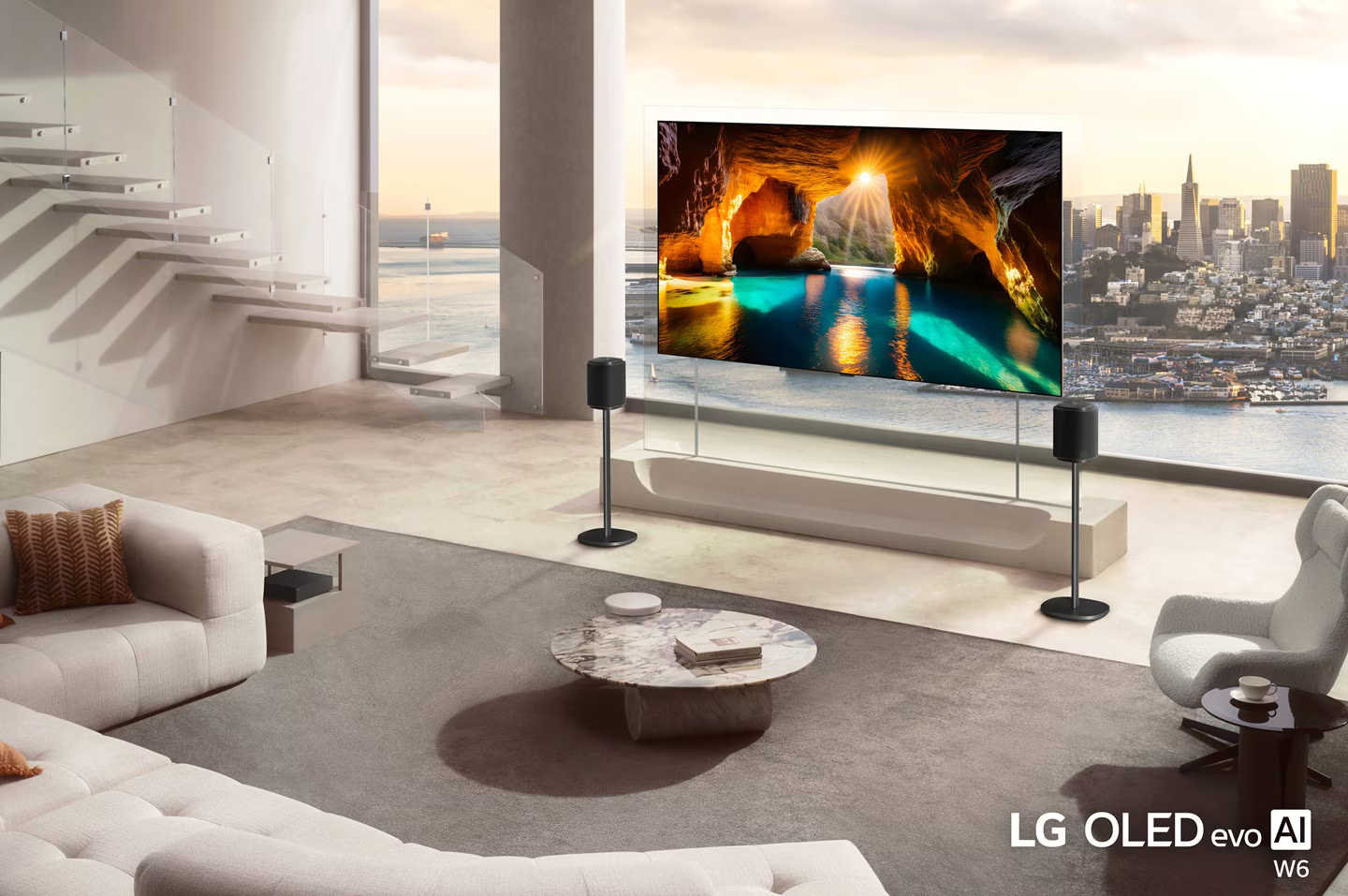
At CES 2026, LG revived the Wallpaper TV lineup and introduced the W6 model — a screen 9 mm (0.35 inch) thick that sits on the wall "like wallpaper." The main idea is interior minimalism and moving all ports to a separate Zero Connect Box module, which can be placed up to 9 meters away from the panel. The panel itself still requires connection to the power grid.
What's new in the W6
Key points of the model:
Thickness: 9 mm — an updated wall mount allows the screen to lie flush across its entire surface.
Wireless connection: all HDMI and other inputs are moved to the Zero Connect Box; a distance of up to 9 m provides flexibility for equipment placement and hidden wiring.
Optics and brightness: LG claims the W6 has the lowest reflectance among their TVs and uses Hyper Radiant Color and Brightness Booster Ultra technologies, which, according to the manufacturer, increase brightness up to 3.9 times compared to "standard OLEDs."
"W6 has the lowest level of light reflection among all the company's televisions."
— LG Electronics, press release
"Brightness Booster Ultra enables a substantial increase in brightness compared to standard OLED panels."
— LG Electronics, press service
Why this matters for Ukraine
The Wallpaper TV format is not only about aesthetics. For the Ukrainian market there are three practical implications:
1) Urban living and space. Many Ukrainian apartments and renovated homes need solutions that save space and look neat. A thin screen and hidden cables answer that need.
2) Installation and the AV market. The separate module makes it easier to integrate the TV into home theater systems and electrical solutions — this will benefit Ukrainian installers and equipment installation companies.
3) Premium segment and reconstruction. In these pivotal years, demand for long-term investments in the home — from finishes to quality appliances — remains a marker of confidence. LG has not yet announced price or sale date, but the available diagonals (77 and 83 inches) indicate this is a premium product.
What to expect next
At CES, tech giants primarily showcase trends. For consumers in Ukraine, the practical parts are more important: price, logistics, and service. If the W6 captures the premium-demand segment — it will push the local installation market and create demand for quality solutions to hide cables and power.
Conclusion
W6 doesn't change market rules with a single announcement, but it confirms a trend: the television is increasingly becoming an element of interior design rather than just a standalone device. For Ukraine, this means not only new design solutions but also opportunities for local companies to take part in the premium segment of housing reconstruction. Whether Ukrainian markets and installers are ready to seize this chance depends on final sales conditions and service support.