LG XBOOM with AI: portable speakers that tailor sound to the space — why this matters at CES 2026
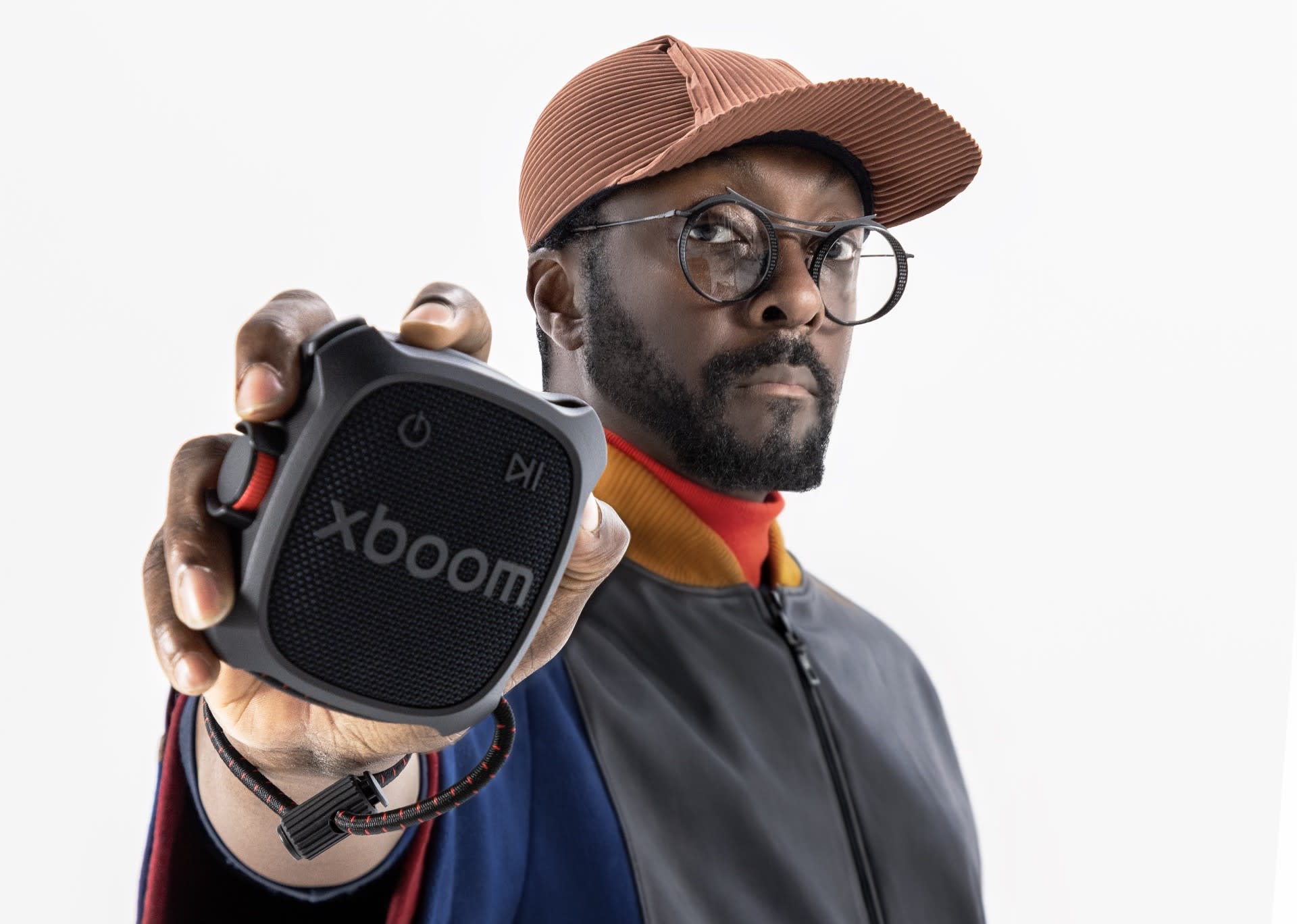
LG unveiled four new portable XBOOM speakers — Stage 501, Blast, Mini and Rock — featuring elements of artificial intelligence and a design created in collaboration with will.i.am. We explain the technical decisions behind the announcement and what they mean for users, the market and practical needs during a crisis.

By Tetiana Suchkova-Ladik
December 31, 2025 · 2 min read
Brief and important
Against the backdrop of preparations for CES 2026, LG has announced the XBOOM line of portable speakers, which rely on artificial intelligence to automatically tune sound to the room and the track. This is not just marketing: the combination of AI, mobility and varying levels of enclosure protection makes the product relevant both for everyday users and for events in field conditions.
What was shown
The line includes four models: Stage 501, Blast, Mini and Rock. The development was carried out in collaboration with musician will.i.am, who contributed to the design and marketing. According to LG's press release, all models received algorithms that analyze room acoustics and content and automatically adjust the equalizer; some versions support AI-synchronized lighting matched to the beat.
"We wanted the speaker to feel a space the same way a musician feels a hall — sound should adapt to the listener, not the other way around."
— will.i.am, musician and creative partner of the project
Key technical points
Stage 501 is aimed at parties and karaoke: it removes vocals from tracks, changes pitch/key, delivers up to 220 W of power and offers up to 25 hours of playback. Blast has a reinforced enclosure and up to 35 hours of playback. Mini is compact with a strap and a tripod mount. Rock is bulkier but portable, with a shock-resistant body and certification to seven military standards.
Why it matters
1) For the user — simpler and better sound quality without manual tuning: AI does the work for you. 2) For the market — collaboration with a well-known artist and a CES showing strengthen the brand and could affect prices and consumer expectations in 2026. 3) For practical needs in challenging conditions — models like the Rock, thanks to protection and autonomy, may prove useful for volunteer events, field rehearsals and musical support for community initiatives where portability and reliability are important.
Audio industry experts note: the trend of integrating AI into consumer electronics continues, and this is gradually changing consumer expectations — not only regarding sound, but also how users interact with devices.
What’s next
The speakers will go on sale during 2026; prices have not yet been announced. The CES showcase is a signal to the market: manufacturers are betting on intelligent, adaptive solutions that combine entertainment and practicality. For Ukraine, this is another example of how consumer technologies become a tool of cultural resilience and practical assistance in field conditions. Whether these declarations will turn into affordable offerings for the mass market is a question for the coming months.



