Lyria 3 in Gemini — How Google's New Music AI Gives Ukrainians a Tool for Creativity and Communication
Google has launched Lyria 3 in Gemini: the ability to generate 30-second tracks from text, images, or video. Why this matters for artists, volunteers, and media in Ukraine — we explain without hysteria.

By Tetiana Suchkova-Ladik
February 19, 2026 · 2 min read
What happened
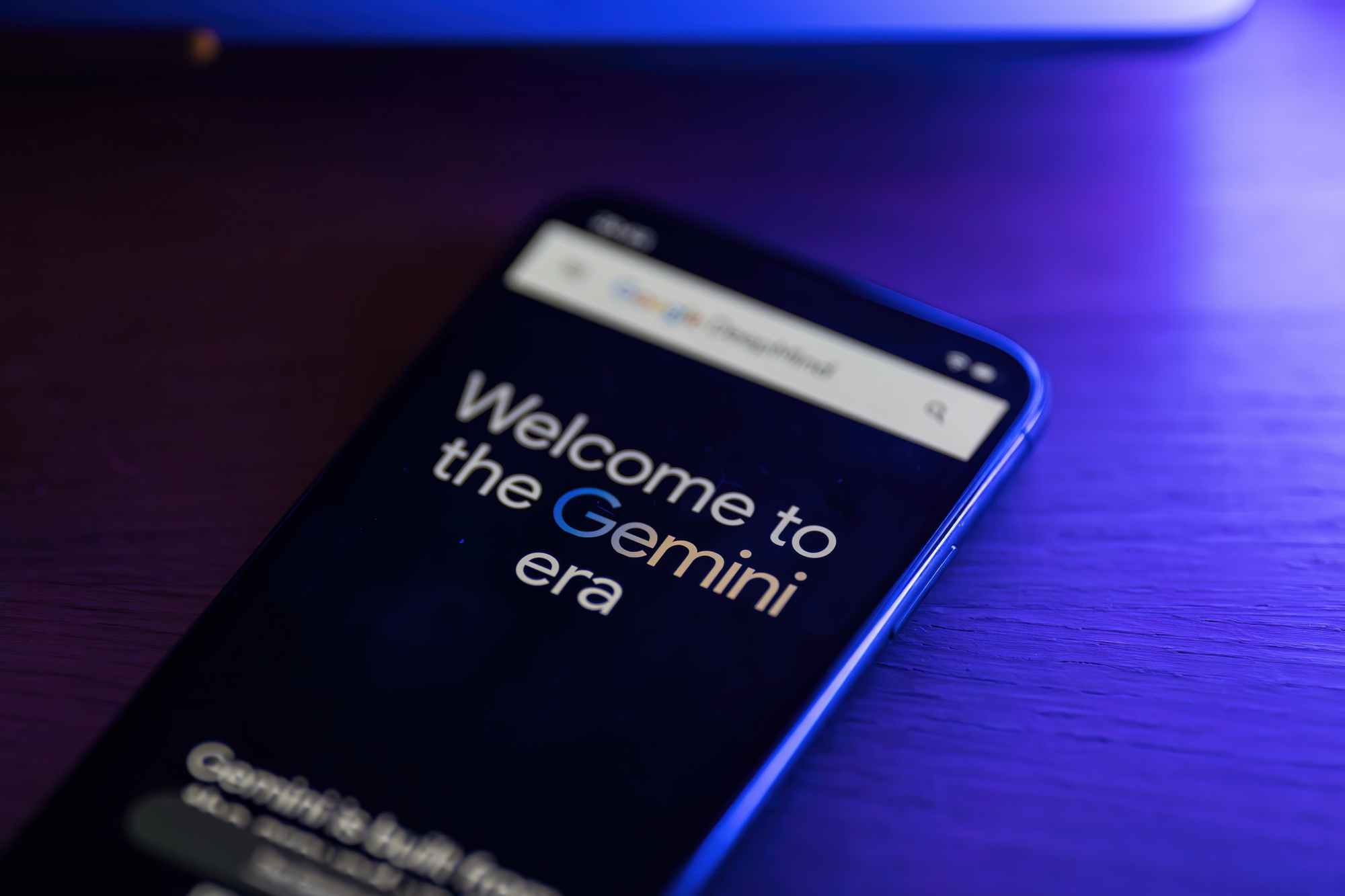
Google has introduced a music-generation model, Lyria 3, integrated into the Gemini platform. The tool, developed with the involvement of musicians and producers, is already available in beta and allows creating 30-second tracks from a text prompt or based on an image or video. The user can set genre, mood, tempo, vocal style and arrangement, and the system will generate the music along with song lyrics and automatically create cover art.
"The model was developed with the involvement of musicians and producers."
— Google Research, announcement
Features to know
- Text→music: creating compositions from a verbal description — from a short idea to detailed style instructions.
- Media as input: a track can be generated based on a photo or video — a quick way to turn a visual story into a soundtrack.
- Vocal in multiple languages: the model supports vocal synthesis in several languages, opening possibilities for Ukrainian-language lyrics and authentic-sounding vocals.
- SynthID: all compositions are marked with a digital watermark to identify AI content — an important step for authorship transparency.
Position for Ukraine: a practical framework
This is more than a new entertainment tool. For artists, volunteer projects and media, Lyria 3 can become a quick means of creating audio content: jingles for fundraising, soundtracks for reports, educational audio materials and short promo clips. In the context of cultural resilience, it is important that the model supports vocals in multiple languages — this is a chance to quickly generate material in Ukrainian, preserving the language space in the digital sphere.
Advantages and limitations
Advantages: low barrier to entry, production speed, a tool for local creators and volunteers, SynthID labeling for transparency.
Limitations: currently — beta and 30-second fragments; issues of copyright and the ethics of using voices and styles; quality and emotional depth still lag behind live musicians in complex genres.
Technology context
This is not an isolated move by Google: in recent weeks the Gemini ecosystem has seen the Nano Banana image generator in Chrome, and on the Diia.Education platform — an AI mentor based on Gemini. Such integration points to a trend: large models are becoming universal assistants for creativity, education and communications.
Conclusion
Lyria 3 gives Ukrainians a new tool — the ability to quickly produce musical fragments for communications, culture and fundraising. But its strength will depend not only on the algorithm, but on how artists, media and regulators can combine the technology with ethics, rights and quality. Whether the Ukrainian creative community will seize this opportunity depends on the speed of adaptation and the rules of the game we write today.