Macron said that Brussels "is afraid" to take on U.S. tech giants
French President Emmanuel Macron said that Brussels is too slow to investigate American tech companies because of U.S. pressure over the EU’s digital laws. He accused the European Commission and member states of being afraid to pursue cases in the face of an American onslaught.

By Tetiana Suchkova-Ladik
November 28, 2025 · 2 min read
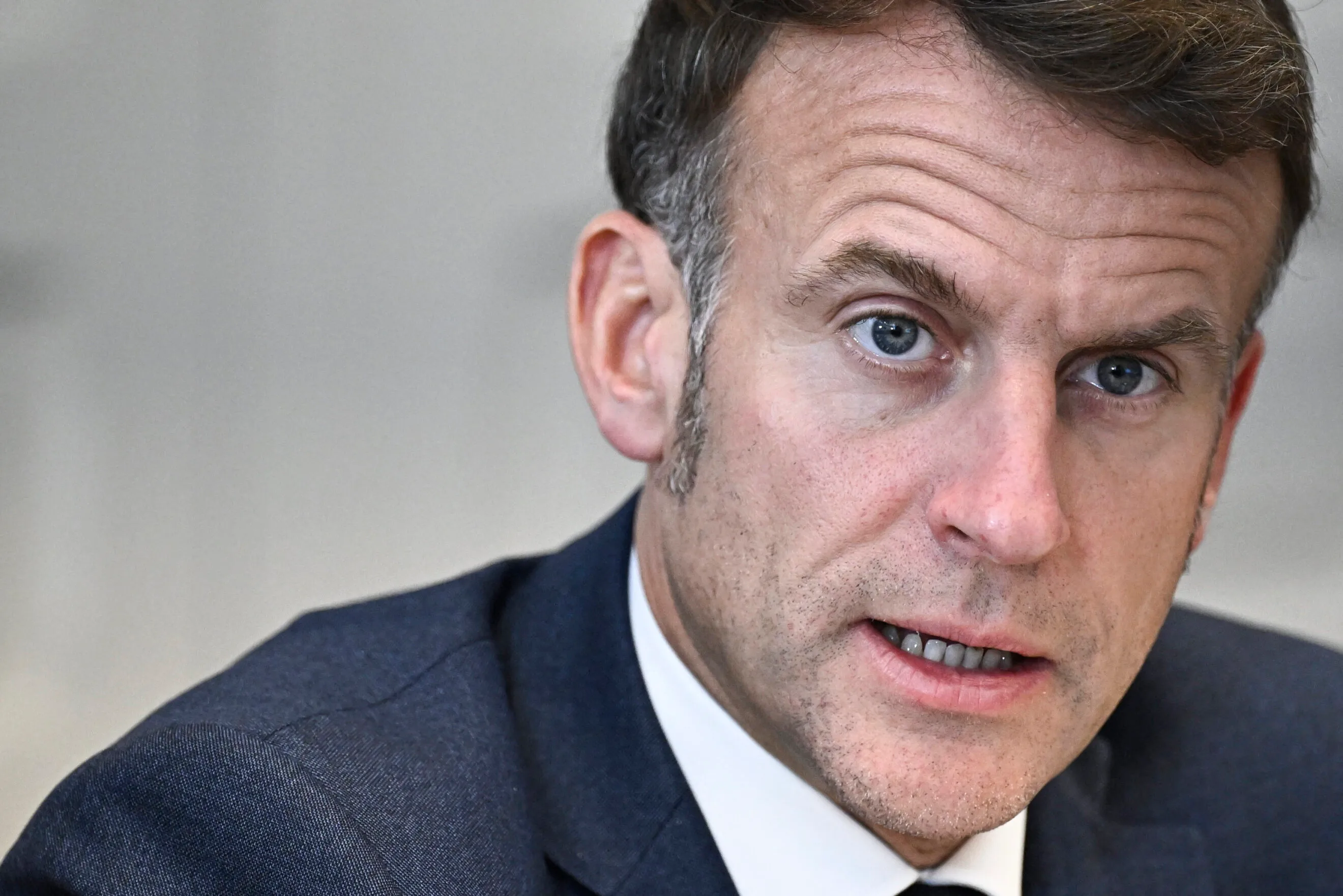
French President Emmanuel Macron said that Brussels is investigating American tech companies too slowly because of U.S. pressure over the EU’s digital laws. Politico reports.
"We have cases that have been at the Commission for two years. That is too slow."
– Macron said on Friday, referring to the EU’s content-moderation rules – the Digital Services Act (DSA).
Debate around the issue is "not gaining momentum," Macron said at a local public meeting in the Vosges region.
"Many in the Commission and member states are afraid to continue with this because there is an American offensive against the application of the digital services and markets directives."
– he added.
Promise of action at EU level
Macron vowed to push for action at the EU level.
"We need to wage a geopolitical battle. This is not Russian interference, it is clearly American, because these platforms do not want us to get in their way."
– the president stressed.
U.S. pressure on EU digital rules
Macron’s remarks came after a week of intensified U.S. pressure over two EU tech regulations – the DSA and the Digital Markets Act.
U.S. Commerce Secretary Howard Lutnik on Monday urged EU ministers to "revisit" these rules in exchange for lowering U.S. tariffs on steel and aluminum, according to a U.S. strategy of using EU tech rules as a bargaining chip in a transatlantic trade dispute. These rules have been a target for the U.S. administration and tech company leaders since President Donald Trump returned to power.
Both EU tech commissioner Genna Virkunen and her colleague on competition issues Teresa Ribera spoke out against U.S. pressure this week, the latter accusing Washington of "blackmail."
Pressure from the European Parliament
The European Commission is also under pressure from Members of the European Parliament. The group of Socialists and Democrats is moving toward creating an inquiry committee to investigate the EU’s enforcement of its digital rules.
In response to Macron’s remarks, European Commission spokesperson Thomas Renier said:
"We have been very clear from the start: we fully support our digital legislation and are ensuring its enforcement."
– he said.
He argued that "some cases take a bit longer than others because DSA investigations are wide-ranging."
"Commission services are building solid cases, because we have to win them in court."
– he added.
Context
The EU has open DSA investigations into X, Meta, AliExpress, Temu and TikTok. Investigations could lead to fines of up to 6% of a company’s annual global turnover, but none have been imposed so far.