Mercedes installed bolts from gasoline G-Class on electric model — and forgot that it's heavier by hundreds of kilograms
# Mercedes Recalls 3,734 Electric G580 Vehicles Over Wheel Attachment Issue Mercedes is recalling 3,734 electric G580 vehicles priced at $165,000 due to wheel mountings designed for the lighter gasoline-powered G-Class. The company will notify owners of the recall, but notifications will not be sent until May.

By Tetiana Suchkova-Ladik
April 6, 2026 · 2 min read
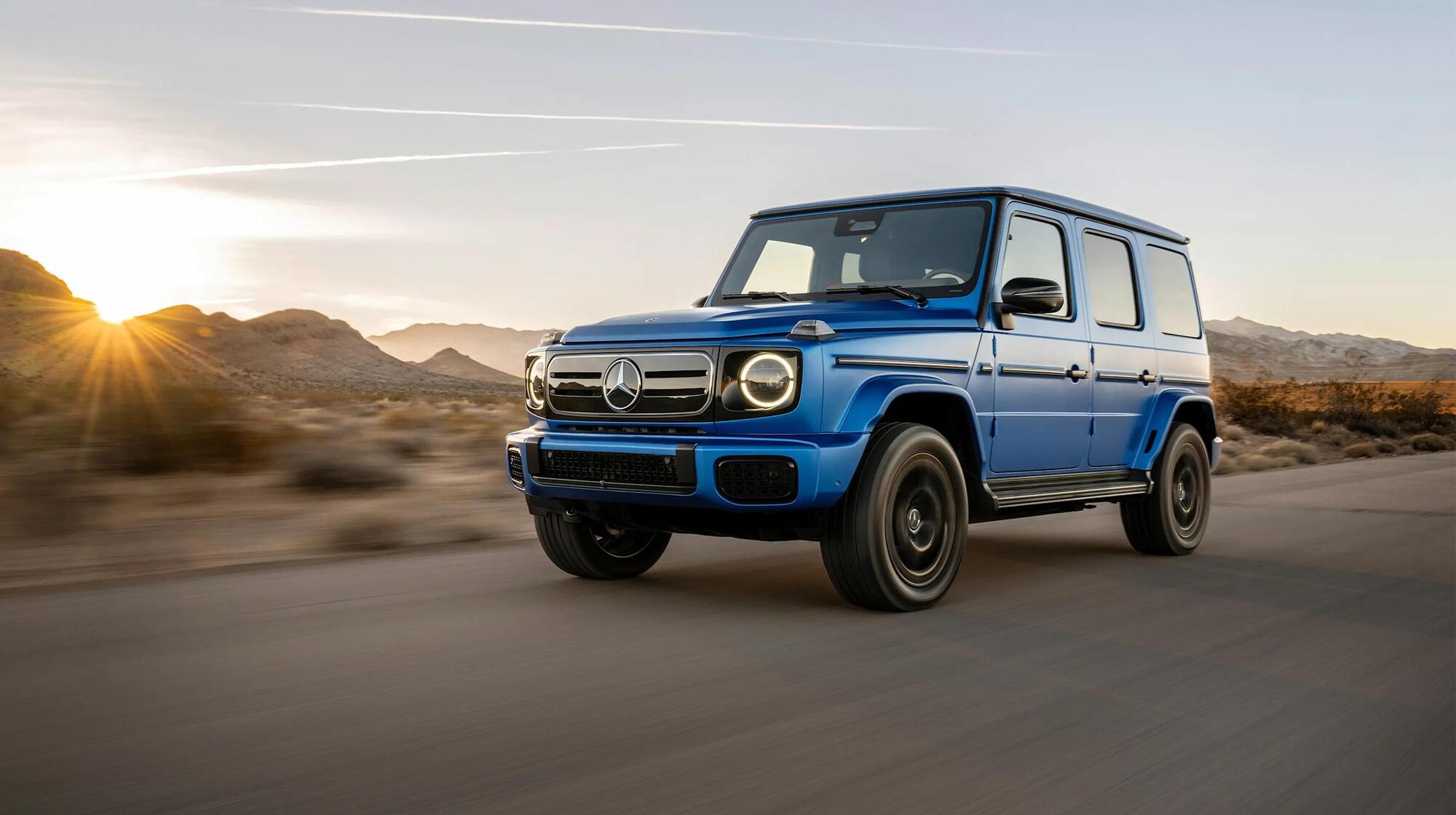
Mercedes-Benz is recalling 3,734 electric G580 EQ off-road vehicles from the 2025 model year. The reason: wheel mounting bolts that engineers simply transferred from the gasoline version of the G-Class without recalculating the load for the heavier electric vehicle.
Where the problem comes from
The battery pack and four electric motors make the G580 substantially heavier than its gasoline "cousin." Higher torque, greater mass — and those same bolts that have served reliably on the lighter car for decades are beginning to gradually loosen. As stated in official documents submitted to NHTSA, Mercedes acknowledges: the calculation for the electric version was never performed.
The bolts met the specification — but the specification was written for a different car.
From NHTSA documents, campaign 26V198000
The problem was discovered during internal durability testing: one of the bolts loosened despite formally meeting requirements. Further investigation revealed that the risk increases when several factors combine simultaneously.
When and how this could happen
- Active off-road driving or aggressive maneuvers
- Frequent wheel replacements throughout the vehicle's service life
- Vehicles assembled between February 26, 2024 and August 19, 2025
Vehicles assembled from August 26, 2025 onwards already have redesigned bolts installed at the factory. The new design features a two-stage bolt with a collar that maintains stable friction on the contact surface and reduces wear during tightening.
What's happening now
The recall was registered on March 27, 2026. Dealers will replace the bolts free of charge — but owner notification letters will only begin being sent starting May 22, 2026. That means nearly two months will pass between identifying the problem and notifying owners.
The context offers little optimism: in 2025, one of Mercedes' executives publicly called the G580 a "complete failure" in terms of sales. Now, to the reputational pressure is added a recall affecting nearly the entire American fleet of this model.
If after two months of notifications it becomes clear that the dealer network cannot replace bolts on all vehicles before the end of summer off-road season, Mercedes will either have to impose temporary usage restrictions on the vehicles or explain why a $165,000 off-road vehicle with "legendary" off-road capability might be better left off the trails for now.