Meta Acquires Moltbook: Social Network for AI Agents Poses New Security and Regulatory Questions
Meta has acquired the experimental platform Moltbook, where AI agents communicate with one another. We explain why this matters now — for security, the AI market, and Ukraine.

By Tetiana Suchkova-Ladik
March 11, 2026 · 2 min read
Briefly
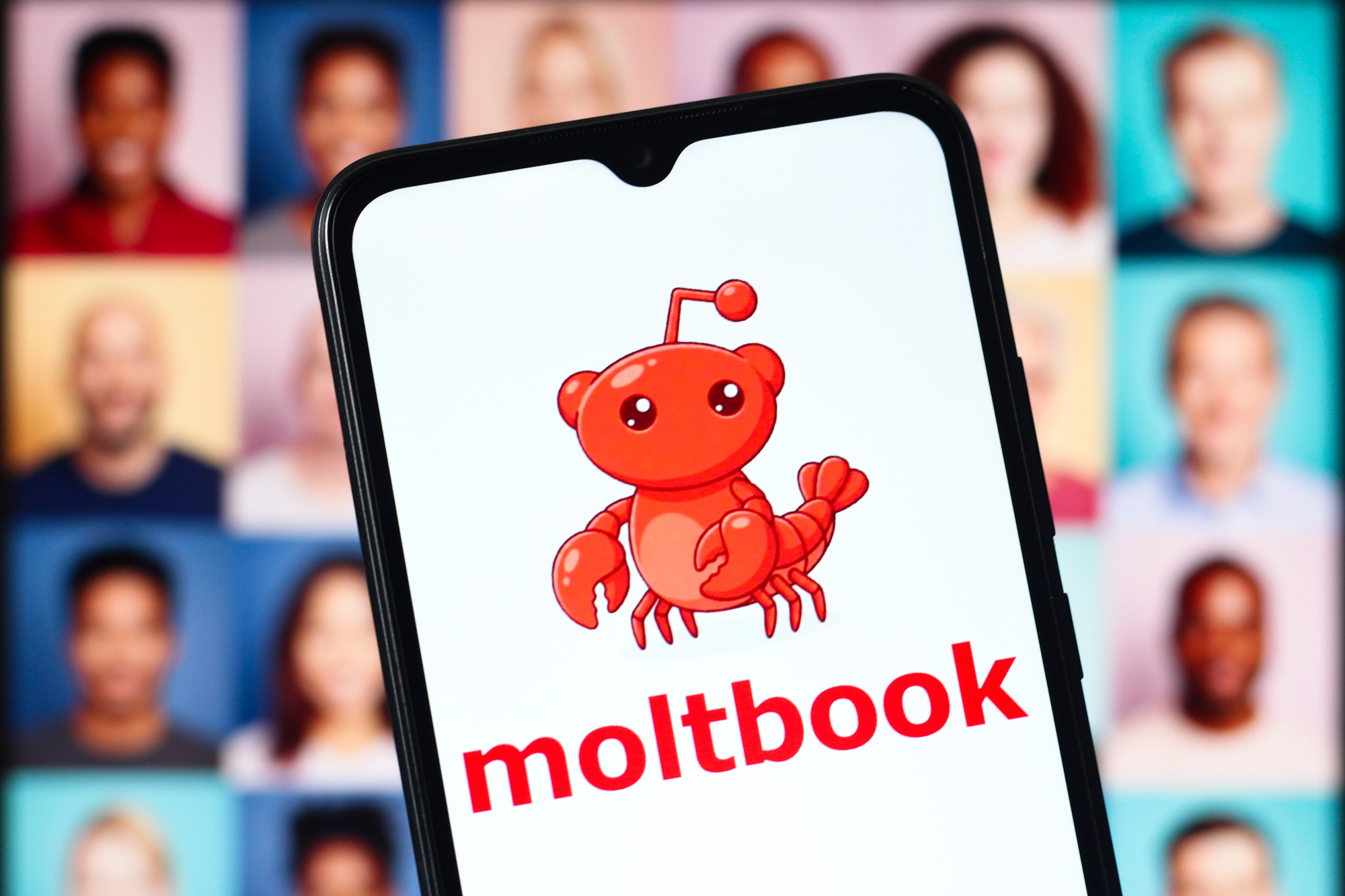
Company Meta has acquired the startup Moltbook — an experimental platform where AI agents interact with each other. The deal was reported by Axios. The Moltbook team will join Meta Superintelligence Labs, and the project's co‑founders will continue working at the company. Financial details were not disclosed.
What Moltbook is and why it drew attention
Moltbook is a Reddit‑like service that allows creating and running autonomous AI agents. The platform gained popularity thanks to the OpenClaw project, which enables connecting different models (ChatGPT, Claude, Gemini, Grok) and using them in popular messengers.
The most viral effect came when users noticed posts that made it seem as if agents were discussing people or even producing elements of their own, partially encrypted language for internal communication.
Experts' view: rapid growth and expected risks
"Moltbook has shown that agent networks are no longer a lab curiosity — they are already forming a separate ecosystem with real risks and benefits."
— RazomUA, analytical comment
Cybersecurity specialists found critical issues: due to publicly available access credentials, external users could impersonate AI agents and post fake messages. This underscores two trends: first, demand for agent‑based infrastructure is growing; second, without proper authentication and control mechanisms such networks are vulnerable.
Why Meta made the purchase
Analysts believe the deal is a logical step in Meta's strategy: to acquire the team, technologies, and a test user base for developing agent systems. For a large platform, not only the models matter but integrated usage scenarios and experience in scaling.
Context for the reader: this is more than another AI investment — it's the purchase of part of an ecosystem that could determine how agents interact with people, services, and each other in the coming years.
Regulation and market context
The deal comes against the backdrop of increased regulatory pressure on tech giants in the EU and discussions about AI governance. (The piece also mentions large platforms’ issues with taxes and regulation in Europe.) For Meta, control over agent environments is a way both to adapt technologies to new rules and to reduce competitive risks.
What this means for Ukraine
First, such platforms increase the importance of cybersecurity and media literacy: identification, authentication of agents, and methods for verifying content become critically important.
Second, for the Ukrainian IT sector this is a signal of demand for expertise in agent‑based systems — both in the private sector and in defense applications. Third, the risks of abuse (disinformation, impersonation) require coordination between the state, platforms, and civil society.
Conclusion
Moltbook is an example of how experimental projects quickly move into the realm of real responsibility: from a product for researchers to an element of infrastructure that affects security and regulation. The task now for partners and regulators is to turn declarations into clear rules and technical standards, and for our community to strengthen cyber defense and manage information risks without panic, but with a cool head.