Motorola Edge 70 Fusion in Europe: a mid-range smartphone with Android 16 and updates through 2031 — what it means for Ukraine
Motorola has unveiled in Europe the new Edge 70 Fusion: an affordable model with a modern chipset, a large battery in select regions, and a guarantee of updates through 2031. We break down why this matters now — for data security, device autonomy, and the market in Ukraine.

By Tetiana Suchkova-Ladik
March 2, 2026 · 2 min read
What happened
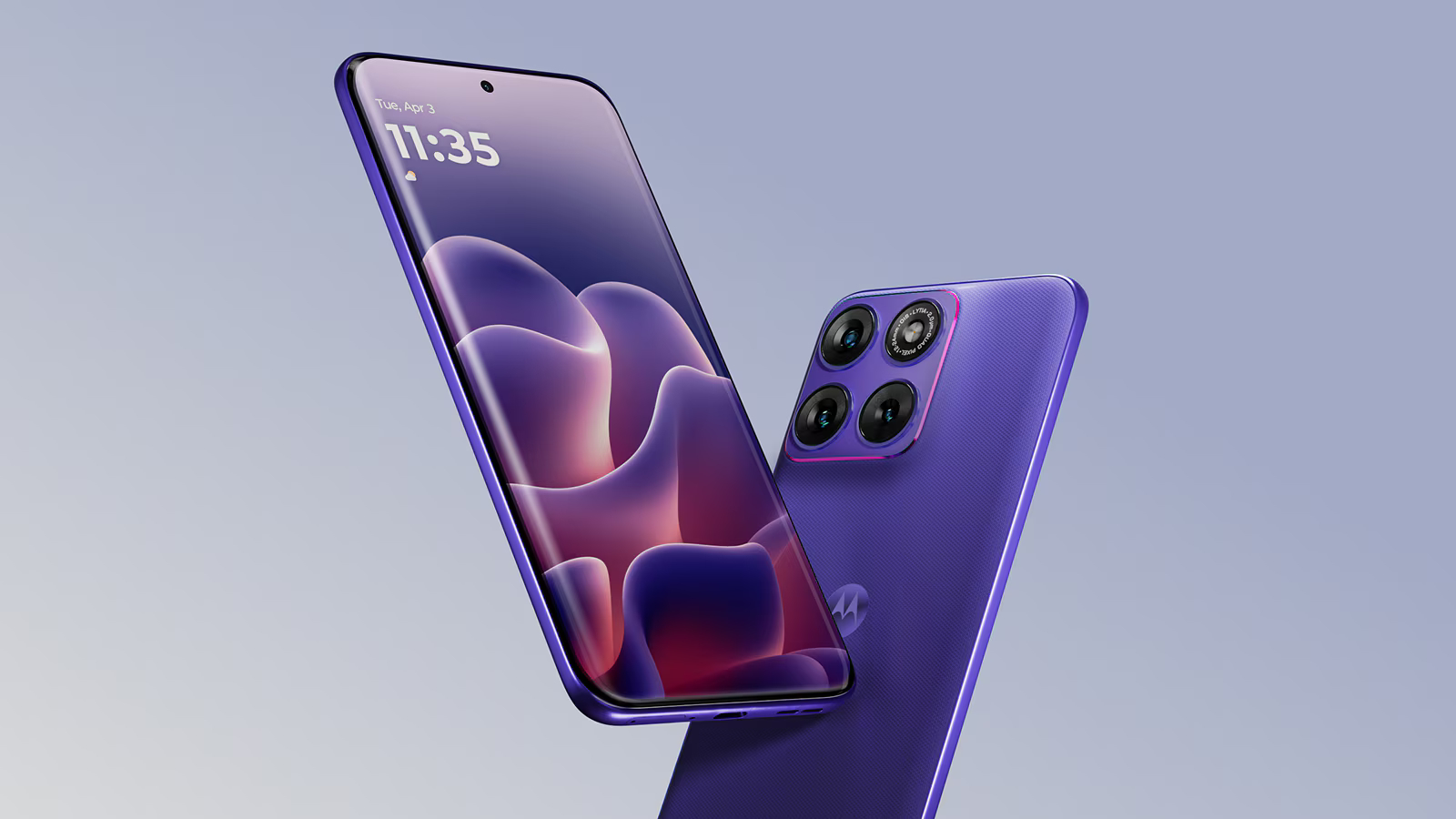
Motorola has expanded the Edge 70 lineup with a new model, the Edge 70 Fusion. The smartphone is already on sale in Europe and will arrive in India in the coming days. The device runs on Android 16 and will receive security updates through 2031 — a factor that makes it attractive to those who value long-term support.
Technical details
The Edge 70 Fusion is built on Qualcomm’s Snapdragon 7s Gen 3 chip — a solution for the modern mid-range. The European version is fitted with a 5200 mAh battery, while the Indian market will get a variant with a huge 7000 mAh battery; in both cases 68 W fast charging is supported.
The display is a 6.78" AMOLED with a resolution of 2772×1272 pixels, a 144 Hz refresh rate and a peak brightness of up to 5200 nits. Cameras: a 50 MP main sensor (LYT-710), a 13 MP ultra-wide and a 32 MP front-facing selfie camera. The body meets the IP69 standard. The model is available in a single configuration — 8 GB RAM and 256 GB storage; prices: about £370 in the UK and €420 in the eurozone.
“Edge 70 Fusion combines mid-range performance and a reserve of endurance for different markets”
— Motorola, press service
Why this matters for Ukrainian users
There are several reasons the release is worth noting in Ukraine. First, long security updates are not just a comfort: at a time when cybersecurity and personal data protection are critically important, support through 2031 reduces the risks associated with outdated firmware. Second, the different battery options show that the manufacturer is adapting the model to real market needs: a larger battery for regions with limited access to power, a smaller one for those who value the balance between weight and autonomy.
Third, the European price (≈€420) makes the Edge 70 Fusion an attractive alternative to pricier flagships — an important point for Ukrainians looking for a balanced device with a sensible price-to-quality ratio. That Motorola has already offered the ultra-thin Edge 70 in a more expensive segment (≈€800) and announced the Razr Fold indicates the brand’s strategy: both flagships and more affordable models have their place in the portfolio.
Tips before buying
If you plan to buy the Edge 70 Fusion in Ukraine, consider a few points: check which version is intended for your market (especially regarding the battery), clarify warranty terms for parallel imports and compare offers with competitors in the same price segment. For those who prioritize battery life and OS support — updates through 2031 will be a strong argument in favor of the purchase.
Conclusion
The Motorola Edge 70 Fusion is an example of how mid-range devices are receiving technical characteristics previously reserved for more expensive models: a powerful chip, a fast screen, a reliable camera and the promise of long updates. Whether it will become a mass choice in Ukraine will depend on local prices and supply channels. For buyers today, the key questions are: which battery version is available, what warranty is provided and how quickly local service options will appear.