The world's most expensive company — and not a single iPhone: what Huang's phone says about Samsung
# Aboard Air Force One, Nvidia CEO Jensen Huang held a Galaxy Z Fold 7 in his hands, while Musk held what appears to be an iPhone 17 Pro. A small detail with a bigger subtext: Samsung has been trying for years to sell Nvidia its HBM3E memory — and still hasn't passed qualification.

By Tetiana Suchkova-Ladik
May 19, 2026 · 2 min read
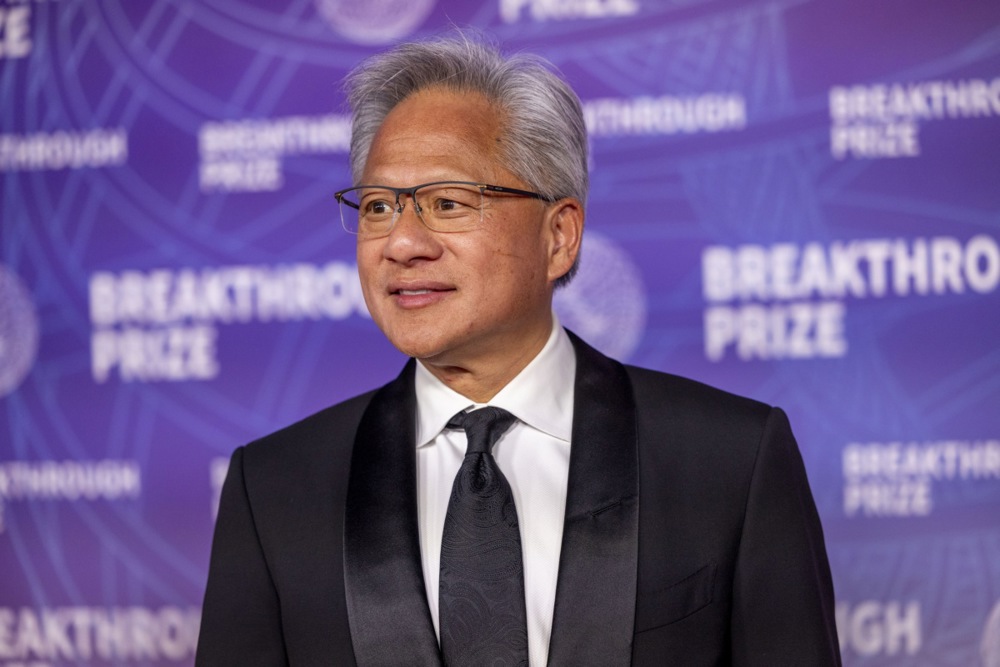
When insider Ice Universe published a photo from aboard Air Force One, attention should have been on geopolitics: Jensen Huang, Elon Musk, Tim Cook, and Qualcomm chief Cristiano Amon were flying to Beijing as part of Donald Trump's official delegation. Instead, social media got fixated on a detail — the foldable smartphone in the hands of the CEO of the world's most expensive company.
What's in the photo
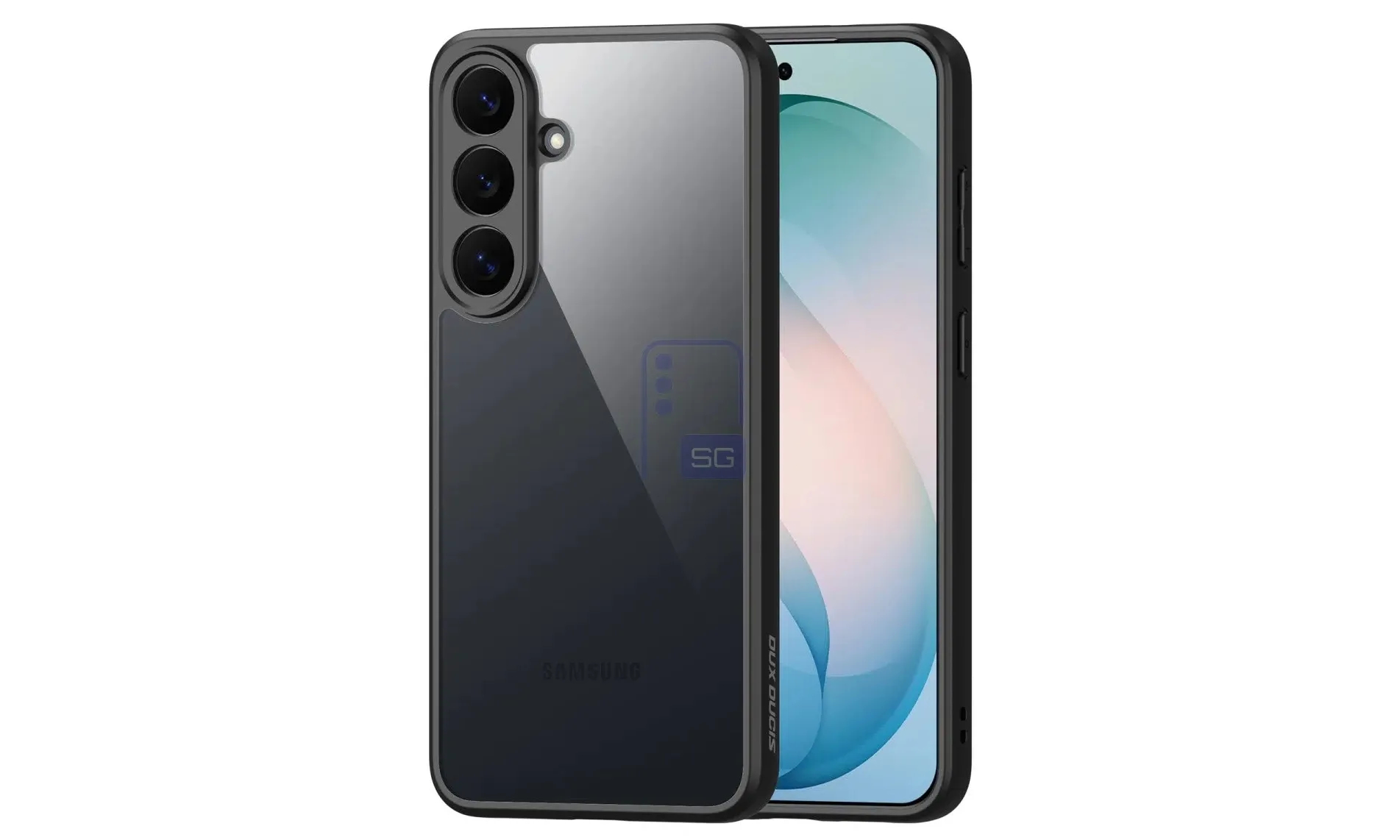
In the shot, Huang sits next to Musk at a table with Diet Coke and chocolate. In Huang's hands is a Samsung Galaxy Z Fold 7, the company's latest flagship foldable phone. Musk, according to insiders' observations, was holding an iPhone 17 Pro. Huang himself, according to media reports, boarded the plane during a technical refueling stop in Alaska.
"He is using the Galaxy Z Fold 7."
— Ice Universe, insider, X
The photo went viral quickly — Samsung fans "flexed" in the comments, and SamMobile ran with the headline: "CEO of $5 trillion company spotted with Samsung Galaxy Z Fold 7".
Why it's more than just a phone
Context makes the detail significant. Samsung has been trying for years to supply Nvidia with HBM3E memory chips — high-bandwidth memory critical for AI accelerators. However, according to SamMobile, Samsung has yet to receive approval from Nvidia and is losing to competitor SK Hynix, which became the primary supplier of HBM3E for H100/H200. At the same time, Huang has publicly supported Samsung — including at CES 2025 — saying the company would "soon pass qualification".
The phone in his hand is neither a corporate choice nor an advertising contract. But at a moment when an American delegation is flying to China to discuss trade barriers and market access, while Samsung and Nvidia are in a suspended state of HBM negotiations — the personal gadget of the CEO suddenly takes on symbolic dimensions, though entirely by chance.
Beijing context
According to Reuters and CNN, the delegation traveled to China at Trump's invitation to negotiate market access, supply chains, and trade barriers amid tensions over technology and AI. Besides Huang and Musk, the delegation includes Tim Cook from Apple and top executives from other tech giants.
A state banquet was held in Beijing. Video of Musk spinning around with a smartphone during a group photo next to Huang, Cook, and Defense Secretary Pete Hegseth garnered over 52 million views on Weibo. Huang himself, according to media reports, organized an impromptu "noodle run" in a hutong — and also drew a crowd.
If Samsung passes Nvidia's HBM3E qualification by the end of the visit — the phone in Huang's hands will become the perfect retrospective shot for both PR departments. If not — just a curiosity from Air Force One.