OLED with no visible crease: Samsung unveils a panel that could transform the Galaxy Z Fold 8 — what it means for the market and Ukraine
At CES 2026 Samsung Display unveiled a foldable OLED panel without a noticeable crease. It's not just about aesthetics: the new design will determine device longevity, competition among manufacturers, and the choices of Ukrainian buyers in the second half of the year.

By Tetiana Suchkova-Ladik
January 6, 2026 · 2 min read
In big tech, engineering details matter more than loud announcements
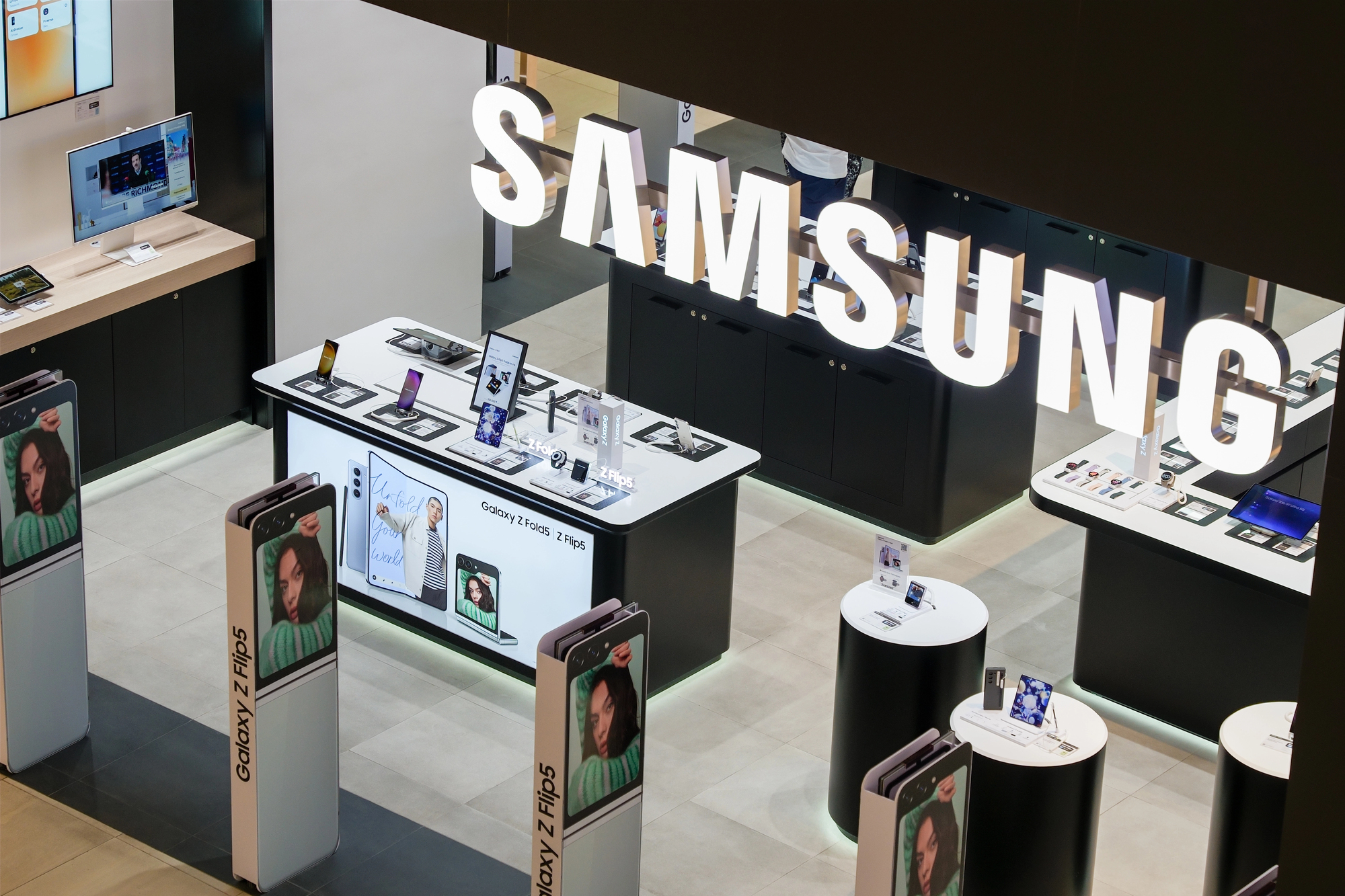
At CES 2026 in Las Vegas, Samsung Display demonstrated a foldable OLED panel in which the crease is virtually invisible. The showing was reported by SamMobile. The panel stood next to the Galaxy Z Fold 7's screen — and the contrast was obvious: in the new version the fold does not create visual breaks even at an angle, whereas on the Fold 7 the crease remains noticeable.
The construction uses a laser-processed metal backbone that reduces pressure in the folding zone and helps prevent creasing. The component's supplier is named as South Korean company Fine M‑Tec, which is also linked to work on the first flexible iPhone.
“The new panel does not create visual breaks at the folding point, particularly when displaying text.”
— Samsung Display (as reported by SamMobile)
Why this matters
At first glance — it's a matter of appearance. In reality — it's a question of reliability and user experience. A smaller or less noticeable crease means better readability, a lower risk of wear to the screen layers, and potentially a longer device lifespan. For manufacturers, it's another weapon in competition: whoever first offers a reliable flexible solution will capture the premium segment of the market.
Panel market analysts already note that such engineering solutions affect the pricing structure of the supply chain and brands' decisions. If Fine M‑Tec confirms mass production, the new panel could appear in the Galaxy Z Fold 8, whose release is expected in the second half of 2026, as well as in the first flexible iPhones — this strengthens competition and pushes innovation upward.
What this means for Ukraine
For the Ukrainian market, better devices mean new opportunities for consumers and businesses: from more reliable corporate gadgets to increased demand for maintenance and repair services. For local retailers and operators, it's a signal to prepare for a wave of upgrades and to explain to customers what they're paying for. For the economy overall, innovations in the components sector signal a strengthening of global supply chains, which is important during post-war recovery and for the attractiveness of investment in the technology sector.
Summary
Technical progress in the form of a panel without a noticeable crease is not just a pretty demonstration at a booth. It's an engineering step that could affect the longevity of smartphones, competition between Samsung and Apple, and buyer behavior in the second half of 2026. Now it's up to manufacturers and suppliers: will they be able to scale the technology and make it available in mass-market devices?