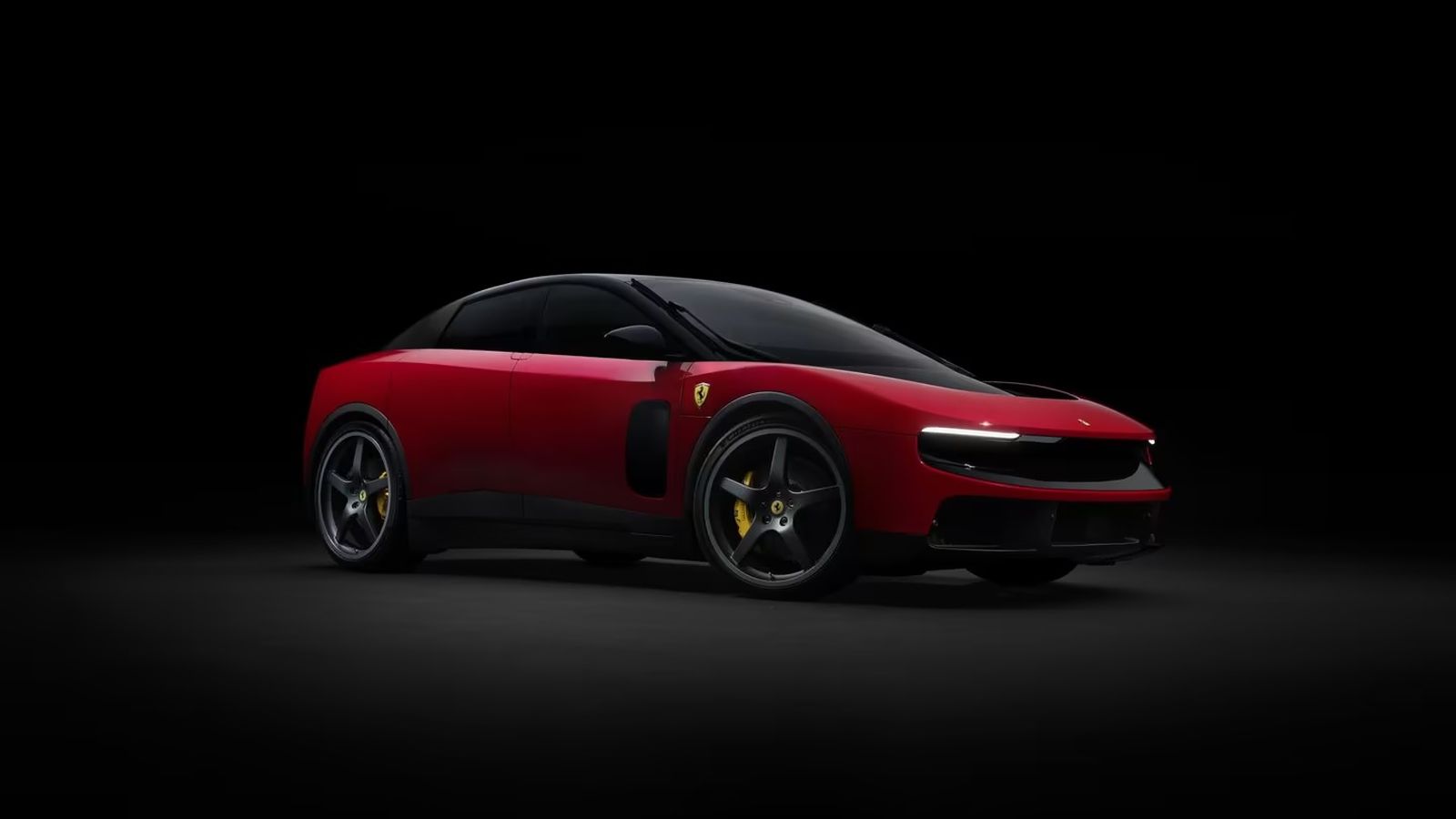
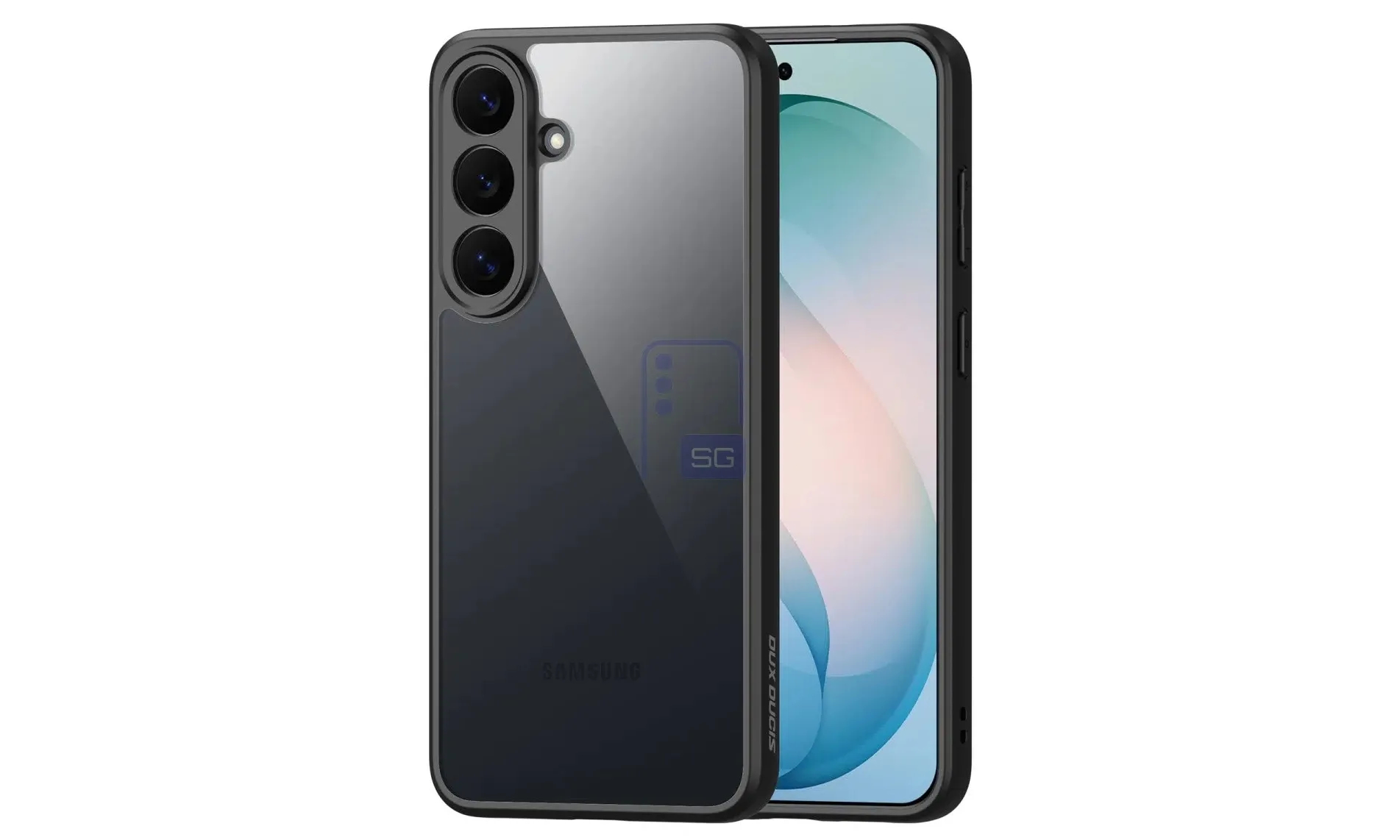
OnePlus 15T shown in teaser: design, colors and key technical features ahead of launch
OnePlus has released a teaser of the new 15T ahead of its presentation in China — revealing the design and color palette and naming the main hardware highlights. We break down what this means for the market and why it’s worth paying attention to now.

By Tetiana Suchkova-Ladik
March 9, 2026 · 2 min read
Quick overview
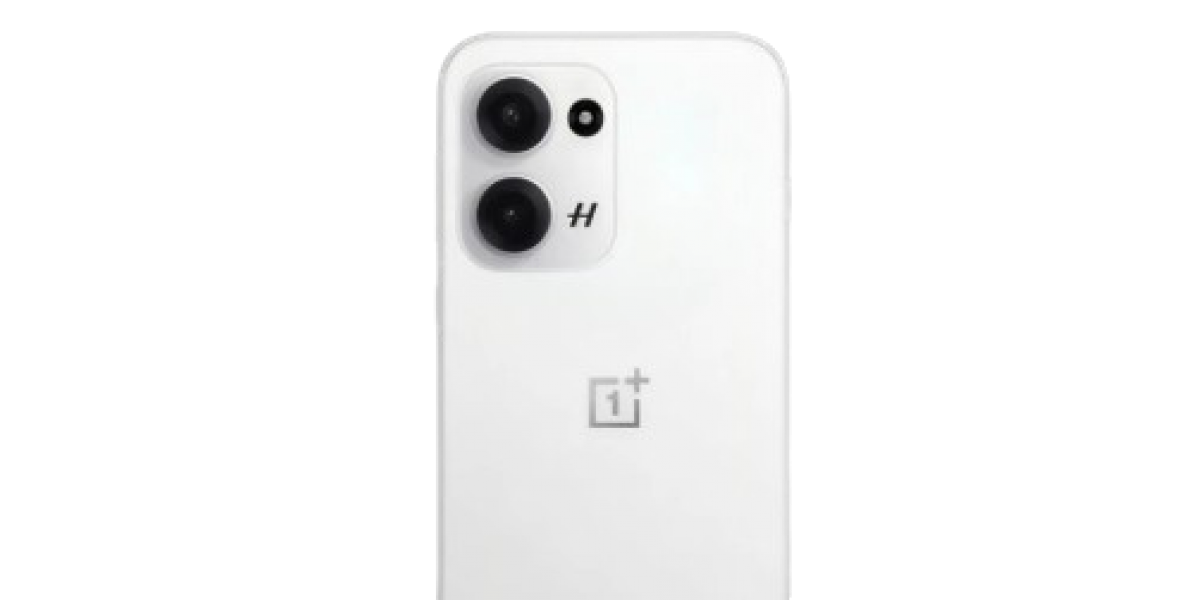
OnePlus published a teaser on the Chinese platform Weibo: the new model retains the overall styling of its predecessor but adds several notable hardware changes. The presentation is scheduled in China this month — so the details will be finalized very soon.
"All things considered, the newcomer retains the overall styling of the previous model — the OnePlus 13T."
— OnePlus teaser on Weibo
Design and colors
The images confirm the familiar camera placement in the upper-left corner of the back panel and a matte finish on the body. The teaser shows at least two colors: green and brown, which may signal the brand's move toward more restrained, "natural" shades in the lineup.
Technical highlights
The company has already confirmed some key specifications: a 6.32-inch AMOLED display with thin bezels, an updated periscope telephoto camera, and a 3D ultrasonic fingerprint scanner. The teaser and official announcements also mention a 7500 mAh battery and dust and water protection to the IP69K standard. According to the manufacturer, the device platform is the flagship processor Qualcomm Snapdragon 8 Elite Gen 5. The final camera specifications and capabilities will be revealed during the presentation.
Context: market and reputation
Media are already comparing the OnePlus 15T with upcoming flagships from other vendors, notably drawing comparisons with iPhone 17 Pro. These comparisons matter not only in terms of performance but also as a marker of market positioning — OnePlus aims to compete in the premium-flagship segment by offering more aggressive hardware choices.
At the same time, the brand is under pressure from an ongoing legal matter: in January 2026 Taiwan issued an arrest warrant for CEO Pete Lau. This does not affect the device's technical specifications, but it matters for supply chains, partner relationships, and the brand's perception on international markets.
What this means for users and the Ukrainian market
For Ukrainian buyers the changes read simply: the OnePlus 15T offers an impressive set of "raw" specifications — a large battery, advanced optics, IP69K protection, and a flagship chip. But availability and pricing will depend on distribution after the China presentation and partners' reactions to the corporate risks.
Conclusion
The teaser confirmed the main point: OnePlus is betting on hardware "windows" of competitiveness — battery, optics, and premium protection. The presentation will show the full picture. The question for the market is whether this will be enough to displace other flagships, and how the legal risks will affect the device's availability in regions including Ukraine.