OnePlus 15T in China: 7500 mAh and Snapdragon 8 Elite Gen 5 — what you need to know
The new OnePlus focuses on battery life and peak performance. We break down the key technical choices, the price tag, and why the launch in China matters for buyers and the market as a whole.

By Tetiana Suchkova-Ladik
March 24, 2026 · 2 min read
What was announced
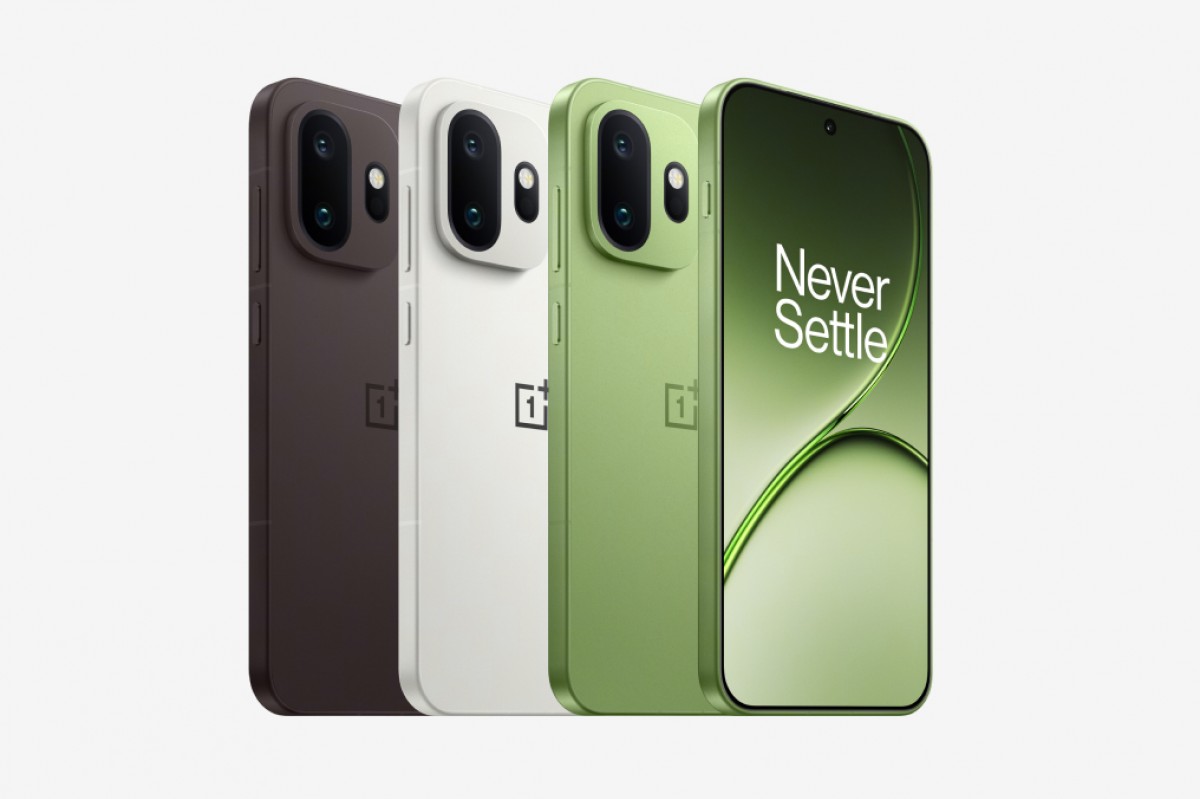
OnePlus introduced in China the OnePlus 15T smartphone — the successor to the 13T series. At the center of the announcement is the combination of the flagship Snapdragon 8 Elite Gen 5 chip and a large 7500 mAh battery with silicon‑carbon technology. The company has not yet announced a release date for other markets.
Display and performance
The display is a 6.32‑inch AMOLED with a resolution of 1216×2640 and a refresh rate up to 165 Hz; peak brightness is claimed at 3600 nits. The platform pairs the current flagship processor with LPDDR5X Ultra memory and UFS 4.1 storage, making the device attractive for mobile gaming and heavy-duty tasks.
Cameras and media
The main camera system comprises two 50 MP modules: a primary Sony sensor with optical stabilization and a periscope telephoto lens with 3.5× optical zoom. Video support reaches up to 8K at 60 fps and 4K at 120 fps with Dolby Vision, underscoring the focus on mobile content production.
"We sought to combine performance and long-lasting battery life for users who expect more from their phone than just connectivity."
— OnePlus, press release
Protection, versions and price
The chassis received enhanced protection rated IP68/IP69K, meaning the device can withstand submersion to 1.5 m for 30 minutes and high‑pressure jets — an important point for mobile work in challenging conditions. The base 12/256 GB version costs 4,299 yuan (~$625), the top 16/1 TB — 5,699 yuan (~$828). Available colors: white, brown, green.
Context: market and risks
Rethinking battery life has been a trend in recent years. The large battery makes the phone attractive to users who value long runtimes and less frequent charging during trips or power outages. At the same time, the China‑only release highlights questions about the model's availability in global markets: OnePlus has not announced a release date for Europe or Ukraine.
An additional reputational risk for the company is the legal history of its leadership: in January 2026 Taiwan issued an arrest warrant for CEO Pete Lau, which could complicate communication and distribution in certain markets.
Comparison with competitors
The OnePlus 15T is already being compared to the iPhone 17 Pro — primarily because of the emphasis on shooting and performance. The main difference is the battery: 7500 mAh in the OnePlus versus the traditionally smaller capacities in premium competitors, which shifts the priority toward battery life while maintaining high performance.
Conclusion
The OnePlus 15T is a clear bet on long battery life and peak performance. For users who need long operation without charging or higher‑end mobile photography, the model looks attractive. Two questions matter for the market: when the smartphone will arrive in our region and how legal and political risks will affect supply chains. Now it's up to retailers and regional offices — the announcement in China provides the technical picture but does not answer questions about availability and local support.