Tim Cook's Last WWDC: Apple Gathers Developers on June 8 — And It's Not Just About iOS
Apple officially confirmed the dates for WWDC 2026: June 8-12 at Apple Park. But according to the session schedule, there's a hidden bet on reviving Siri and the final keynote of the CEO who has led the company for 14 years.

By Tetiana Suchkova-Ladik
May 19, 2026 · 2 min read
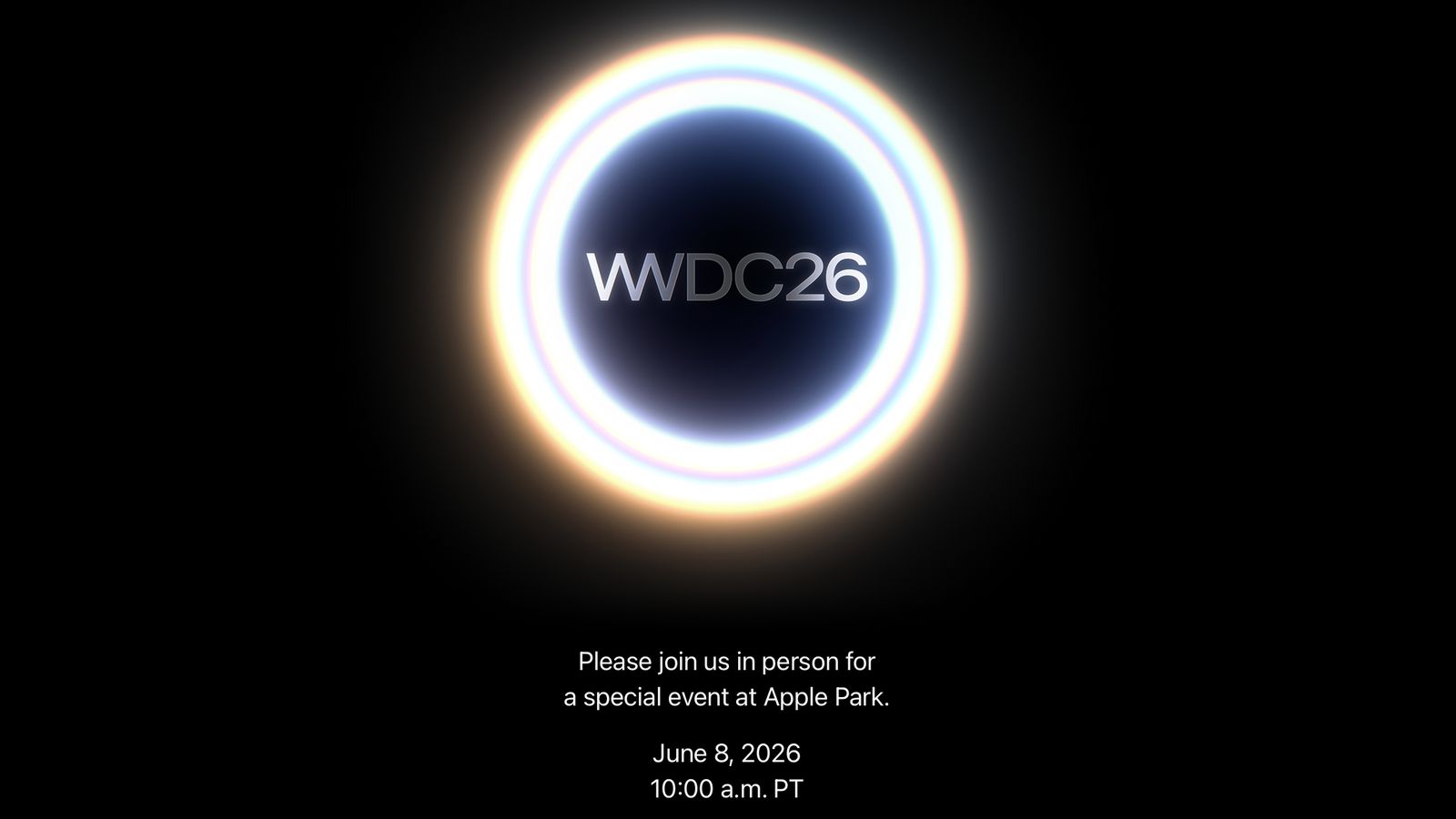
Apple officially announced the dates for its annual WWDC 2026 developer conference: June 8-12 at the Apple Park campus in Cupertino. The keynote presentation will take place on June 8 at 10:00 AM Pacific Time. The broadcast will be available on apple.com, Apple TV, and the company's YouTube channel.
More than just a conference — the end of an era
WWDC 2026 will be the last conference for Tim Cook as Apple CEO. According to TechRadar and Bloomberg, John Ternus — the current head of Apple's hardware division — will replace him starting September 1, 2026. The person who led the company to a $3 trillion market capitalization will conclude his public CEO career right here — in front of the screen in the open air at Apple Park, where journalists and developers will gather.
This changes the tone of the event: even if Apple had nothing technically impressive to show, the symbolic dimension remains significant.
"Coming Bright Up" — and everyone is watching Siri
The WWDC 2026 slogan is "Coming Bright Up". Journalists immediately read it as a hint at an updated Dynamic Island interface with a highlighted Siri. Mark Gurman from Bloomberg previously confirmed: Apple is working on a fundamentally different version of the voice assistant — with full contextual understanding and integration with third-party applications.
"Apple enters WWDC 2026 under real competitive pressure in AI for the first time in years"
Abhishek Gautam, overview of WWDC 2026 expectations
What's at stake is not just reputation: Siri lags behind ChatGPT and Google Gemini in functionality, and developers know this better than anyone.
What will be shown technically
- iOS 27, iPadOS 27, macOS 27, watchOS 27, tvOS 27, visionOS 27 — complete platform updates
- Apple Intelligence v2 — expansion to new languages and regions (French, German, Spanish, Japanese, Korean, and Chinese are expected)
- New APIs and developer tools — in the format of the Platforms State of the Union on June 8 at 1:00 PM PDT
- Over 100 video sessions, workshops, and direct meetings with Apple engineers throughout the week
Why this matters beyond the Apple community
WWDC sets the direction for millions of applications used both within and outside the Apple ecosystem. If Apple Intelligence truly expands beyond English — it will directly impact the competitiveness of local markets: from Ukrainian-language applications to regulatory pressure from the EU on major AI players.
If on June 8 Apple shows a Siri that truly understands context and works with third-party applications — the question is no longer "will Apple catch up to OpenAI," but whether regulators will have time to formulate rules before the new assistant reaches a billion devices.