Oura launches first AI model for women's health — personalization that enhances societal resilience
Finnish Oura has integrated its own AI into the Oura Advisor chatbot — the tool provides personalized responses about menstruation, pregnancy, and menopause. It is support, not diagnosis; for Ukraine, it is an example of how digital tools can strengthen healthcare.

By Tetiana Suchkova-Ladik
February 24, 2026 · 2 min read
What was announced
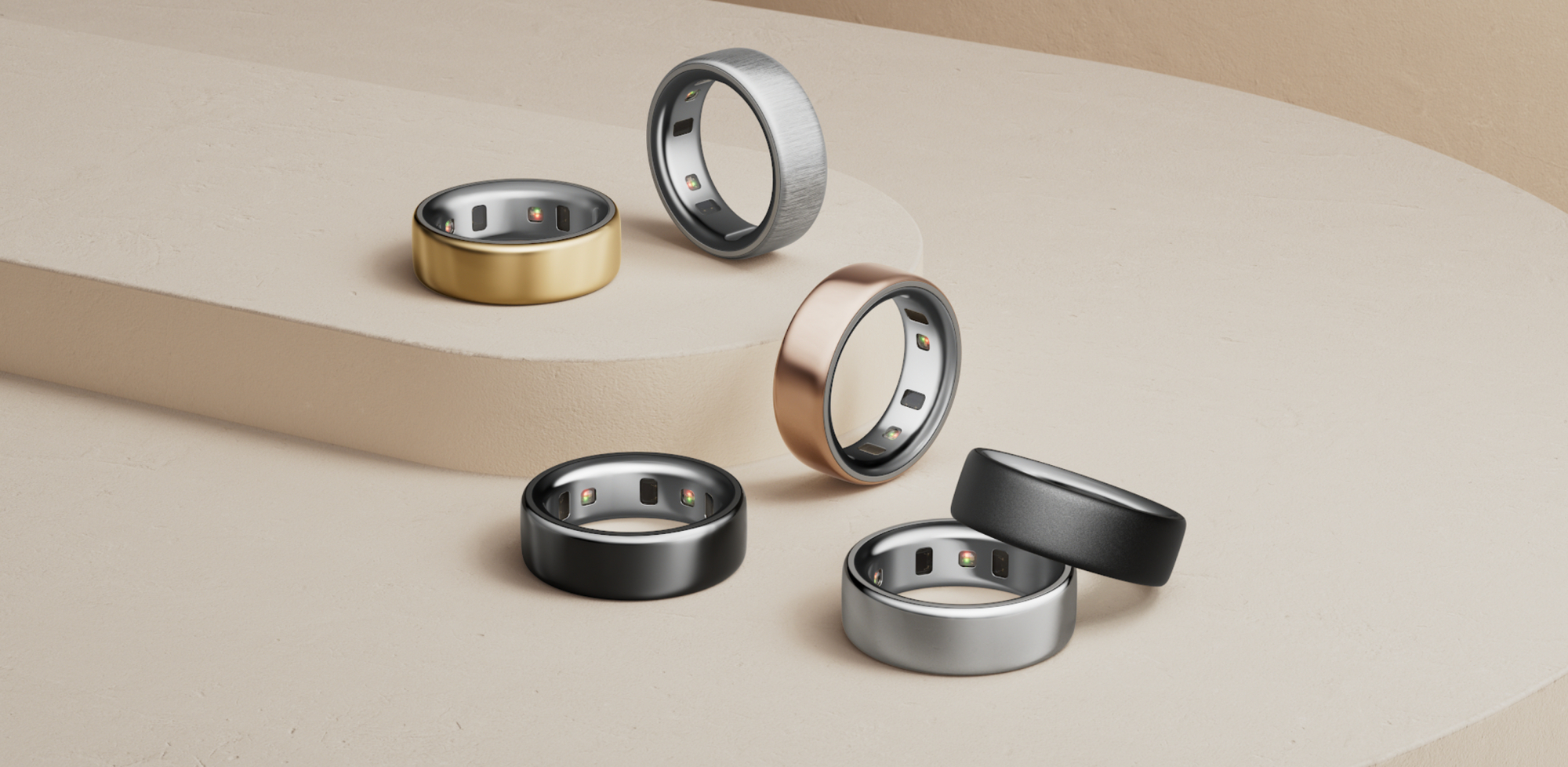
Finnish company Oura introduced its first proprietary AI model specifically focused on analyzing women's health. The technology is integrated into the Oura Advisor chatbot and is gradually appearing in the Oura Labs section of the app. The model answers questions about the full spectrum of reproductive life — from the onset of the menstrual cycle to perimenopause and menopause.
Why it matters
The complexity of women's physiology is often overlooked in general health solutions. Oura is betting on personalization: analysis of sleep and activity data, cycle and pregnancy information, stress levels, and changes in metrics over time. This helps provide more relevant advice, especially to younger female users — the service's most dynamic audience.
"The model was developed based on medical standards and validated research; it is intended to support users, but does not replace medical consultation"
— Oura, press release
Digital health market analysts have long noted demand for specialized services for women. For Ukraine this makes practical sense: during periods when access to offline medical care is limited, safe and confidential digital tools can become an additional layer of public health support.
Privacy, limitations and trust
Oura emphasizes that the chatbot is not intended to establish diagnoses or prescribe treatment — it is a support tool. The company also states that conversations are not sold to third parties and that the model runs on its own infrastructure. Questions of privacy and algorithmic transparency remain key to patients' trust.
Access to the feature is available after voluntarily opting in via Oura Labs — an important condition: the user should be in control of whether she shares data for personalization.
Market context
At the same time Oura is involved in corporate disputes — the company recently filed a lawsuit against Samsung for allegedly copying the Galaxy Ring design. It's a reminder that the smart ring and biometric device segment is becoming an arena of fierce competition — and who will set standards depends on the protection of intellectual property.
What's next
Oura's technology is an example of how AI can enhance prevention and personalized care. For Ukraine it is important to watch not only the products themselves, but also how they are integrated into national healthcare systems, whether they are available in Ukrainian, and whether they meet data protection standards.
Questions for the future: can such tools become a complement to the medical system rather than a replacement, and how can we ensure that personalized advice is safe and accessible for different population groups?



