Pre-orders in Ukraine: iPhone 17e from 34,999 UAH, MacBook Neo and Air M5 — what you need to know
ASBIS has opened pre-orders for the iPhone 17e, MacBook Neo and MacBook Air M5 — sales start on March 20. We outline prices, key features, and what this means for Ukrainian users and professionals.

By Tetiana Suchkova-Ladik
March 13, 2026 · 2 min read
Brief
ASBIS, the official Apple distributor in Ukraine, has opened pre-orders for three new devices: the iPhone 17e, the MacBook Neo and the updated MacBook Air with the M5 chip. Sales start on March 20. Prices in hryvnia and basic technical specifications are listed below — useful to know if you plan to upgrade your gadgets this year.
"Pre-orders are open, sales of the new products start on March 20"
— ASBIS, official Apple distributor in Ukraine
What the devices offer
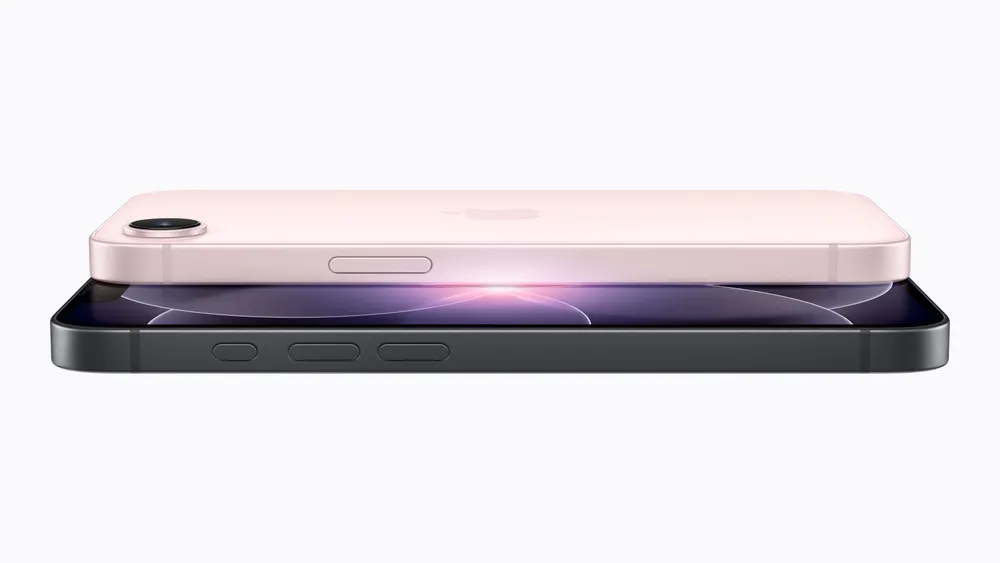
iPhone 17e — the more affordable model in the iPhone 17 lineup. It supports MagSafe and Qi2 wireless charging up to 15W; via USB‑C it can charge to ~50% in about 30 minutes. According to Apple, the new model is up to twice as fast as the iPhone 11. Starting price in Ukraine — from UAH 34,999 (in the USA from $600).
MacBook Neo — the most affordable Apple laptop in the new lineup: a 13‑inch Liquid Retina display, A18 Pro processor, 8 GB of RAM, SSD of 256 or 512 GB. Base price in Ukraine — from UAH 35,999 (in the USA from $599).
MacBook Air with M5 — updated Air with the M5 chip, battery life up to 18 hours, available in 13‑ and 15‑inch versions. It retains the thin aluminum body with no active cooling and a Liquid Retina display. The chip features a 10‑core CPU and up to a 10‑core GPU, which speeds up AI tasks, 3D rendering, photo and video work. In Ukraine the model is available from UAH 65,999 (in the USA from $1,099).
"According to Apple, the iPhone 17e is up to twice as fast as the iPhone 11"
— Apple (technical specifications)
Why this matters for Ukraine
First, quick access to modern devices is a matter of digital resilience: tools for video work, design, analytics and AI become more accessible. Second, the presence of an official distributor means more transparent warranty terms and service — an important factor at a time when reliable repair and logistics matter.
Analysts note that the more affordable base models (iPhone 17e, MacBook Neo) retain the functionality needed by the vast majority of users while lowering the entry barrier for students, creators and small teams operating in a wartime economy.
Practical advice for buyers
1) Check the contents: Apple no longer includes a power adapter with new MacBooks in the EU and the UK — factor this into your purchase and the additional cost of an adapter. 2) Compare configurations: base models with a 256 GB SSD suit most users, but for work with large projects consider options with 512 GB or higher. 3) Service and warranty: buying from the official distributor gives you access to service centers and an official warranty in Ukraine — important for long‑term use.
Conclusion
Pre-orders for the iPhone 17e, MacBook Neo and MacBook Air M5 are not just another refresh cycle. For Ukraine this is a signal: the market remains integrated into global supply chains, and more affordable models allow a wider range of users and professionals to adopt new tools. Now the question is for the buyer: should you upgrade now, or wait for deals and promotions on the sales start date, March 20?