First public C1X modem failure in the iPhone Air: isolated defect or sign of problems in the transition to in-house chips?
A Reddit user reported that his iPhone Air suddenly lost mobile connectivity — the first known case involving the Apple C1X modem. We break down why this matters now and what to expect next.

By Tetiana Suchkova-Ladik
February 20, 2026 · 2 min read
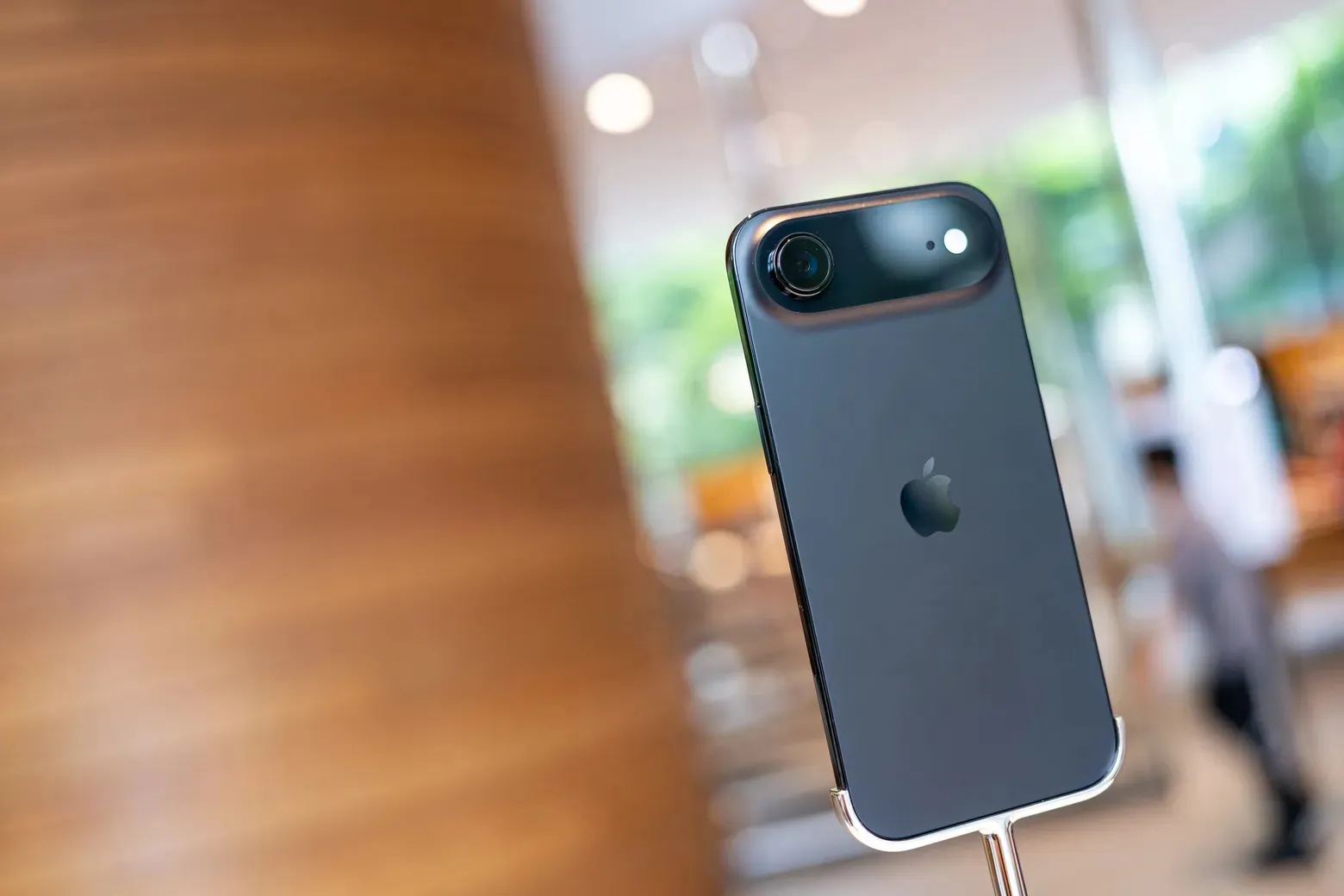
First public C1X modem failure in the iPhone Air
What happened. As Wccftech reports, a Reddit user said his iPhone Air suddenly completely lost cellular service: the network indicator disappeared, and the built-in diagnostics showed a likely hardware failure of the cellular module. The device had no visible damage and was used in a case; restarting, resetting network settings, and testing with two SIMs from different carriers did not resolve the problem.
Why this matters
The iPhone Air is the first model with the C1X modem, fully developed by Apple. Previously the company relied on Qualcomm solutions; the move to in-house modems is part of the strategy following Apple’s acquisition of Intel’s modem unit in 2019. That is why even isolated incidents draw attention: it’s a test of the reliability of the new supply chain and manufacturing processes.
Does this indicate a widespread problem?
So far there is no confirmation that this is a widespread failure. Analysts and engineers note that in large production runs of electronics isolated hardware faults do occur. But if similar reports begin to multiply after mass shipments or public tests at presentations, it could become a systemic problem that would affect Apple’s reputation and might require recalls or firmware/hardware fixes.
"The smartphone suddenly completely lost mobile connectivity; the network indicator disappeared, and the built-in diagnostics showed a hardware failure of the cellular module"
— Reddit user (quote via Wccftech)
What to watch next
1) Apple’s official stance — whether there will be a comment or a service instruction for affected devices. 2) New reports from other users — how similar the symptoms are and which serial numbers the devices have. 3) Results after the presentation (Apple plans a demonstration on March 4) — journalists may gain access to test units, and the number of reproduced cases will become clearer.
Practical advice for owners
If you notice a similar problem: contact Apple Support, document the time and symptoms, try restoring via iTunes/Finder, and, if possible, test the device with another SIM. If the device is under warranty — request diagnostics and a replacement if a hardware fault is found.
For Ukraine (and for any country seeking technological resilience) this incident is a reminder: manufacturing independence provides control, but it also places responsibility for quality on the party developing its own solutions. The situation currently appears to be an isolated case, but further reports and official comments will determine whether it escalates into a systemic issue.
Next up is Apple: whether the company will confirm the failure, and whether updates or service recommendations will be issued after testing the new devices.