Philips Baristina Bar Pro 500 — Cold Brew in 90 Seconds: Speed That Saves Time at Home and for Small Businesses
Philips unveiled an automatic coffee machine that, thanks to a new technology, makes cold brew almost instantly. We explain how it works, what really matters, and who in Ukraine might find it useful.

By Tetiana Suchkova-Ladik
March 12, 2026 · 2 min read
What happened
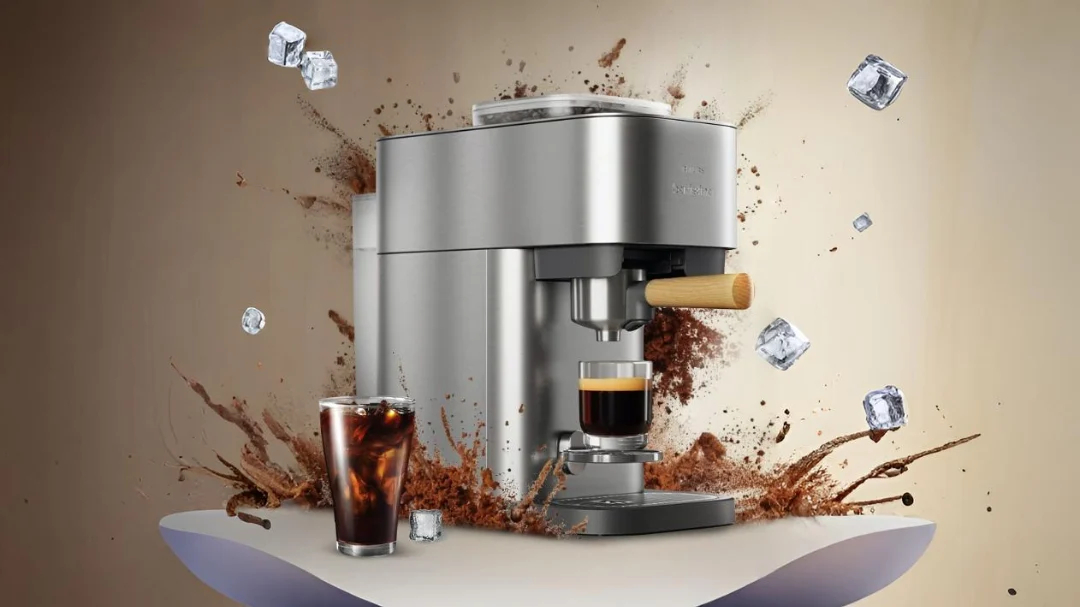
Philips announced a fully automatic coffee machine Baristina Bar Pro 500 — a model priced at 3796 yuan (about $552). According to Gizmochina, the device can prepare cold brew in just 90 seconds, using cold extraction technology without preheating.
"The device can prepare cold brew coffee in just 90 seconds thanks to cold extraction technology and a no-preheat system."
— Gizmochina
How it works: AuraPress and 16 bar
The key innovation is the AuraPress technology, which combines low temperature, slow water contact with the coffee, and high pressure. Instead of the traditional ~12 hours of cold brew steeping, the model reproduces the drink's characteristics in 90 seconds. For flavor stability, a pump with 16 bar pressure is used, providing compressed extraction and richness of taste.
The body is compact (width about 19 cm), the water reservoir is 1.2 L, and the bean container holds 170 g. The machine supports six types of drinks (espresso, lungo, cold coffee, etc.) and strength and cup-volume settings (70–200 ml).
Who this matters to in Ukraine
A technology that saves minutes makes practical sense at home and for small businesses: for home users with morning routines, for cafés seeking quick solutions during peak times, and also for volunteer and medical centers where every minute counts. Without preheating — less waiting and potentially lower energy consumption during short cycles.
What else you should know
Although the technology promises a fast result, the taste of cold brew as connoisseurs know it still depends on bean variety, grind, and ratios. For professional baristas and part of the coffee community, a 12-hour extraction remains the benchmark; the Bar Pro 500 rather offers a compromise between taste and time for broad use.
"This is not a replacement for the traditional craft of the barista, but a tool that makes it possible to get a cold brew close in taste much faster — and that matters for busy people and small businesses."
— industry review analysts
Conclusion
Philips Baristina Bar Pro 500 is an example of a technical hack that transforms a familiar routine: reduced time plus compactness means coffee reaches those who measure time by important tasks faster — from entrepreneurs to volunteers. Whether 90 seconds will become the new norm for cold brew consumption in Ukraine will depend on how willing consumers are to trade part of tradition for speed and convenience.