Subscriptions to Ukrainian-Language Twitch Channels Earned Streamers Up to UAH 78,000 a Month — What This Means for the Market
In the fourth quarter of 2025 viewers spent about UAH 10 million on subscriptions to the top 500 Ukrainian‑language streamers. This is not just income for creators — it signals the maturity of the digital economy and support for the Ukrainian language online.

By Tetiana Suchkova-Ladik
March 16, 2026 · 2 min read
Subscriptions as a steady income: figures and sources
According to analytics firm Streams Charts, cited by LIGA.net, in the IV quarter of 2025 viewers of Ukrainian‑language channels on Twitch spent about 10 million UAH on subscriptions to the top‑500 streamers. For the whole of 2025 the amount reached almost 30 million UAH.
The base subscription for Ukrainian users costs 43.19 UAH/month and accounts for over 95% of all subscriptions, so it forms the bulk of creators' revenue.
How much streamers keep
The platform takes a cut of the payment, so streamers receive between 50% and 70% of the subscription price — that is roughly 21.6–30.2 UAH from a single base subscription. By official estimates, in January 2026 the most popular Ukrainian‑language creators earned from subscriptions between 55,000 and 78,000 UAH per month. That corresponds to roughly 1.8–3.6 thousand active paying subscribers for top channels, depending on their revenue share.
"A subscription is a form of micro‑patronage: it provides stability and allows creators to plan content and invest in quality. At the same time, it is a marker of demand for Ukrainian‑language content,"
— analyst at Streams Charts
Revenue models and limitations
For many streamers subscriptions are not the only source. Viewer donations and advertising integrations often constitute a significant portion of revenue. Thus subscriptions provide a base, but it needs to be supplemented by revenue diversification.
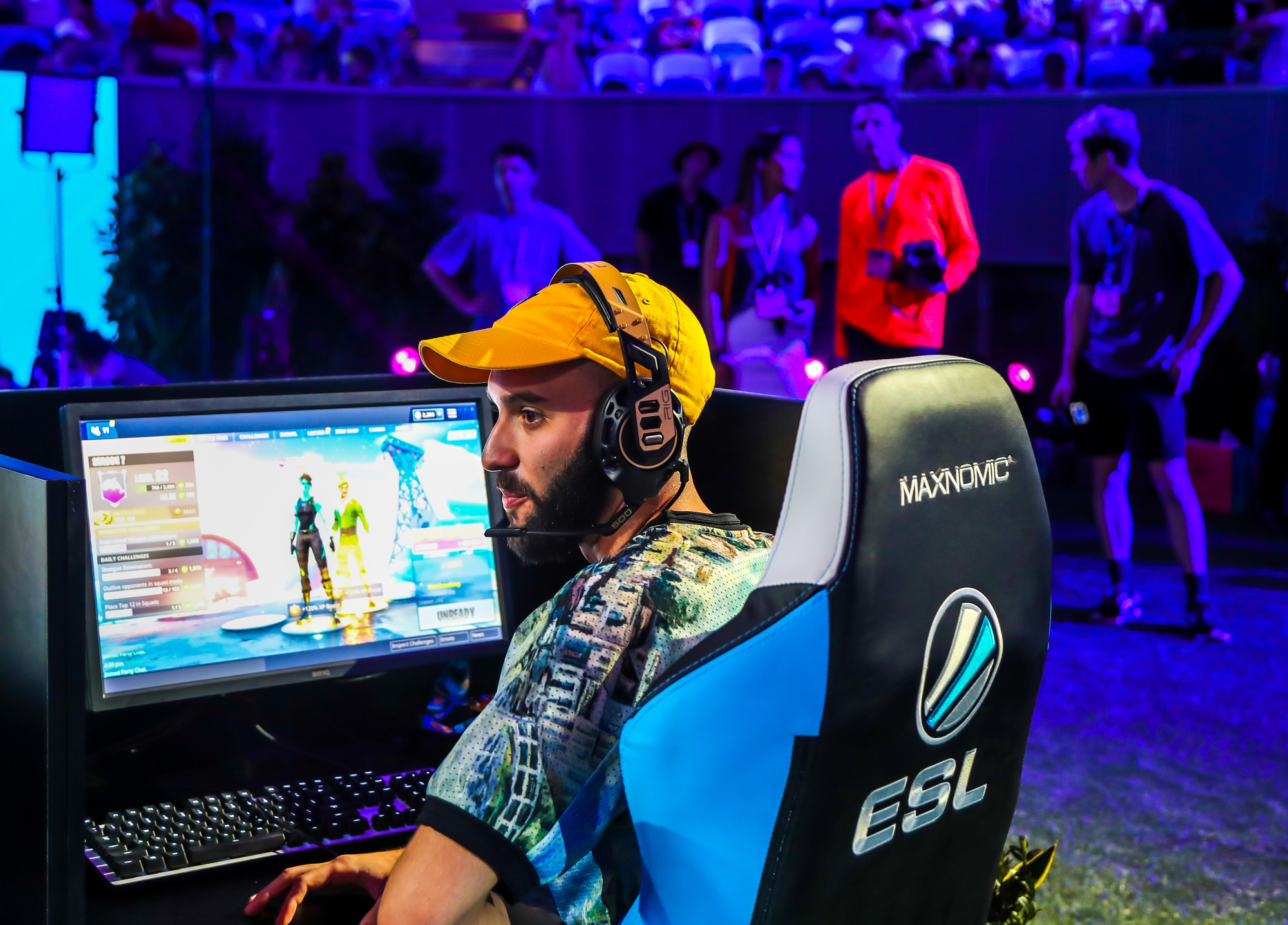
Esports broadcasts amassed more than 13 million hours of viewing in Ukraine, and Twitch holds about 66% of the market for Ukrainian‑language streams — this strengthens the platform's role as a venue for industry development.
Why this matters to the reader
Subscriptions show that the Ukrainian audience is willing to pay for content in their native language — this is a signal for creators, advertisers, and cultural policymakers. Supporting the ecosystem requires tools: legal and fiscal clarity, investments in paid services, and training programs for creators.
Conclusion: the figures demonstrate the maturity of the streaming market and create a platform for creators' growth. However, sustained development will require greater revenue diversification, infrastructure support, and attention from partners and the state.