Tuesday, May 26, 2026
Today's Edition

EveryNews

Stories that matter, signal over noise

Technologies

Pixel Watch 4 gets touchless gestures similar to Apple Watch

An update for the Pixel Watch 4 adds support for touchless gestures and improves the quick-reply system via the on-device Gemma model; the update has also been rolled out to the Pixel Watch 3. Google's latest smartphones delivered mixed results in tests.

Oleg Bazylewicz

By Oleg Bazylewicz

December 10, 2025 · 1 min read
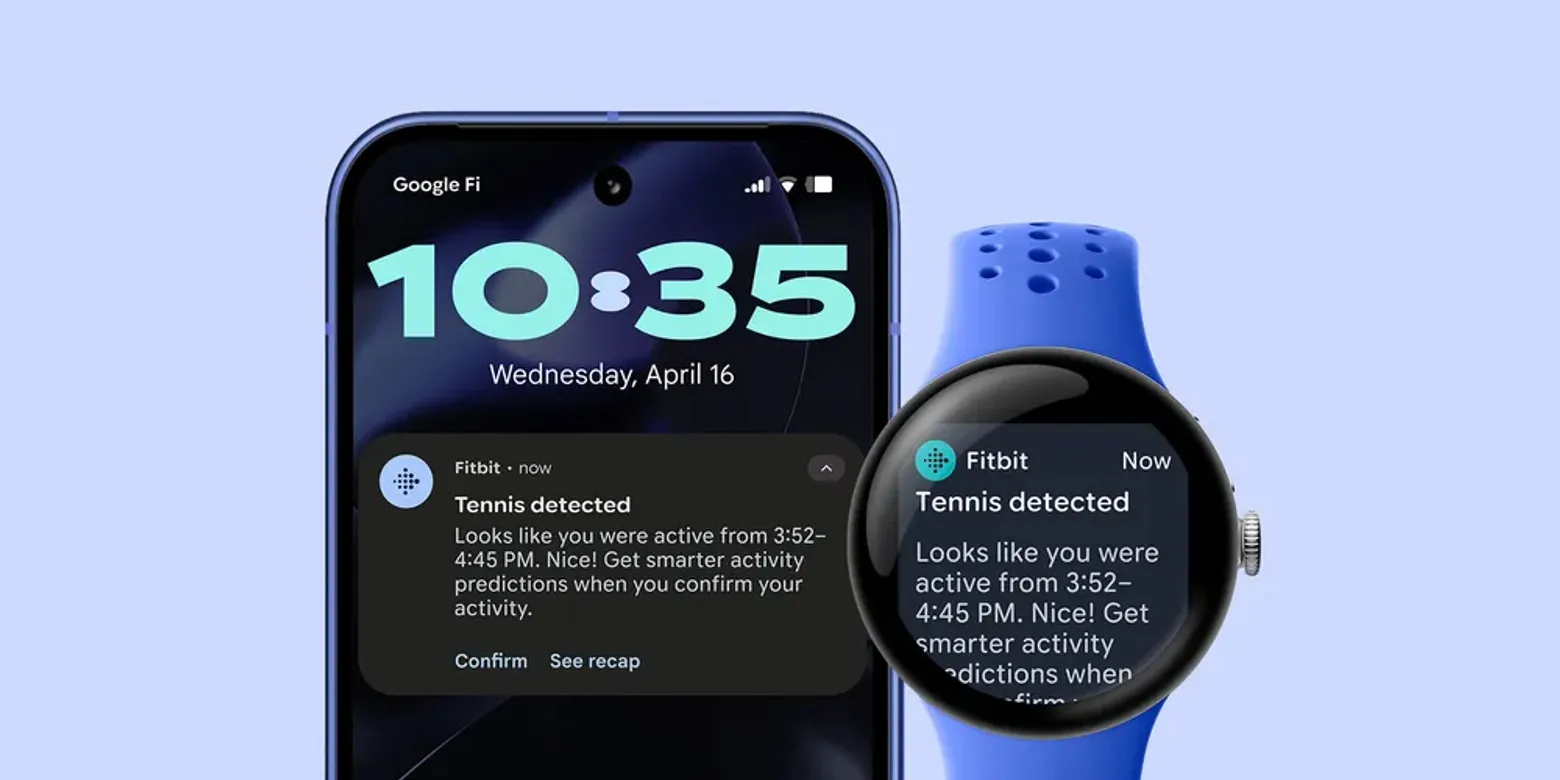
Pixel Watch 4 gets touchless gestures similar to Apple Watch

New contactless Pixel gestures

Google has released an update for the Pixel Watch 4 that adds two new features. Among them is support for contactless gestures: watch owners will be able to answer calls, pause music playback, or control a timer by performing a double finger squeeze or by turning their wrist.

If the gestures are available, prompts about possible controls appear on the screen. These commands were previously mentioned in the device’s code, and are now officially integrated into the software.

Reply updates and other news

The update also affected the “smart replies” feature: it is now available not only on the Pixel Watch 4 but also on the Pixel Watch 3. Short replies are now generated by the local language model Gemma, which runs faster and requires less RAM.

The earlier release of the Pixel 9 helped Google break into the top five most popular premium smartphone brands. At the same time, the new models had issues in tests: during a crash test the battery of the Pixel 10 Pro Fold exploded.


Related

Latest

Business

EU Against Google: Why the Latest Fine Could Change More Than Previous Ones

# European Regulators Target Google Again — This Time Over Digital Markets Act Violations. What's Behind the Accusations and Why It Matters Beyond the Corporation European regulators have renewed their scrutiny of Google, this time focusing on alleged violations of the Digital Markets Act. The charges underscore Brussels' increasingly aggressive stance on big tech monopolies and what officials say are anticompetitive practices. The accusations center on how Google leverages its dominance across multiple digital services — from search to advertising to mobile platforms — to disadvantage competitors. Regulators claim the company is using its market power in ways that stifle innovation and limit consumer choice. The case carries significance far beyond Google itself. It signals how the EU is attempting to enforce its landmark Digital Markets Act, legislation designed to curb the gatekeeping power of tech giants. A potential penalty could set precedent for how other large technology companies face similar scrutiny. For consumers and smaller tech firms, the outcome could reshape the digital landscape by creating more room for competition. For Google, fines and operational restrictions could fundamentally alter its business model in Europe, the world's most stringent regulatory market. The case also reflects a broader geopolitical divide, with the EU pursuing a regulatory approach that contrasts sharply with the lighter-touch oversight favored in the United States.

May 26, 2026

