Raytheon Signs Direct Commercial Contract for $3.7 Billion — GEM-T Interceptors to Be Supplied to Ukraine from German Plant
A Raytheon subsidiary of RTX has signed an agreement to supply Patriot GEM-T interceptors to Ukraine without the Pentagon serving as an intermediary. A new production facility in Schrobenhausen, Germany will become the key manufacturing hub.

By Tetiana Suchkova-Ladik
April 15, 2026 · 2 min read
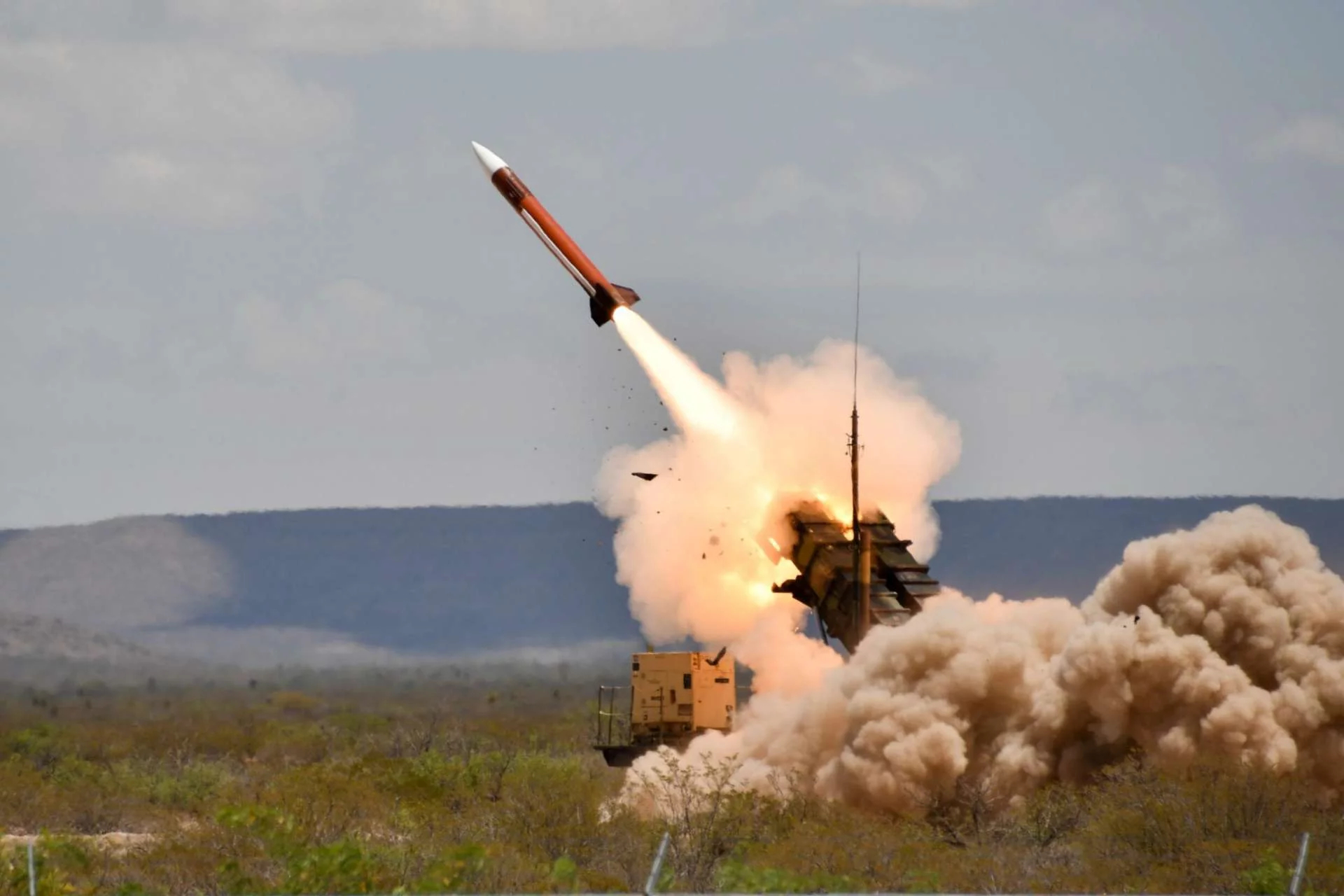
On April 14, 2026, RTX announced that its Raytheon division signed a $3.7 billion contract to supply Patriot GEM-T interceptors to Ukraine. The deal is structured as a direct commercial sale — that is, without government mediation through the FMS (Foreign Military Sales) mechanism. This means a shorter approval chain, but also less public reporting on delivery timelines and volumes.
What is GEM-T and why it's critical now
Patriot GEM-T is a modernized version of the PAC-2 missile, designed to defeat tactical ballistic missiles, cruise missiles, and aircraft. This type of interceptor forms the backbone of Ukraine's air defense against Iskanders and Kh-23 ballistic missiles. Raytheon confirmed that GEM-T is "designed to intercept all types of air threats, including tactical ballistic missiles."
The contract's context is important: according to EU Defense Commissioner Andrius Kubilius, in early 2025 Patriot effectiveness in Ukraine stood at around 40% and continued declining — due to modernization of Russian missiles. The Inspector of the U.S. Department of Defense recorded in mid-2025 that Ukraine "has difficulties with consistent deployment of Patriot" against threats with sharp trajectory changes. The new contract is directly aimed at replenishing depleted stocks.
Schrobenhausen: why a Bavarian factory became a crucial hub
A central role in contract fulfillment will be played by a new production facility in Schrobenhausen (Bavaria), operating under the management of COMLOG — a joint venture between Raytheon and MBDA Deutschland. The factory was created specifically to reduce dependence on a single American supply chain and ensure "supply resilience" for allies.
"Raytheon is investing significant resources in increasing GEM-T production to meet growing global demand — through internal investments, second-sourcing initiatives, and expanding the global supply chain."
RTX, press release, April 14, 2026
"Second-sourcing" is a key detail: Raytheon is attempting to duplicate production of critical components to avoid shutdowns due to bottlenecks with a single subcontractor.
What remains unknown
- Delivery timelines — Raytheon has not disclosed them. Direct commercial sales are not obligated to publicly reveal schedules.
- Number of interceptors — at an estimated cost of $4–5 million per GEM-T, the contract could cover between 700 to over 900 missiles, but official figures are not available.
- Source of funding — whether this is Ukraine's own funds, allies' contributions, or part of a broader aid package — has not been publicly confirmed.
Patriot is currently deployed in 19 countries. The Ukraine contract is the largest single direct commercial sale of GEM-T in the program's history.
If Schrobenhausen reaches its stated capacity and second-sourcing works as planned, the rate of stock replenishment in Ukraine could for the first time exceed the consumption rate in positional shelling — but only if Russia does not accelerate ballistic missile production faster than COMLOG deploys the new assembly line.



