Realme Neo8: a transparent flagship with an 8,000 mAh battery — what it means for the market
Realme unveiled the Neo8 in China with a Snapdragon 8 Gen 5 and an 8000 mAh battery. We explain why endurance and flagship hardware make this model notable in 2026 — and what it means for users.

By Tetiana Suchkova-Ladik
January 22, 2026 · 2 min read
Brief and important
During a presentation in China Realme officially unveiled the Neo8 — a smartphone with the flagship Snapdragon 8 Gen 5 chip and a class‑record 8000 mAh battery. The device also received an IP69 certification, ensuring enhanced protection against dust and water. For the user this is not just technical numbers — it means longer autonomy and greater reliability in field conditions or on long trips.
Under the hood — performance and charging
The Neo8 runs Android 16 with Realme UI 7.0 and will receive three years of OS updates. The smartphone is equipped with a top processor that enables running resource‑intensive apps and games. There is support for 80 W fast charging and a bypass charging mode, which reduces heating and extends the battery's lifespan with frequent charging.
Display and design
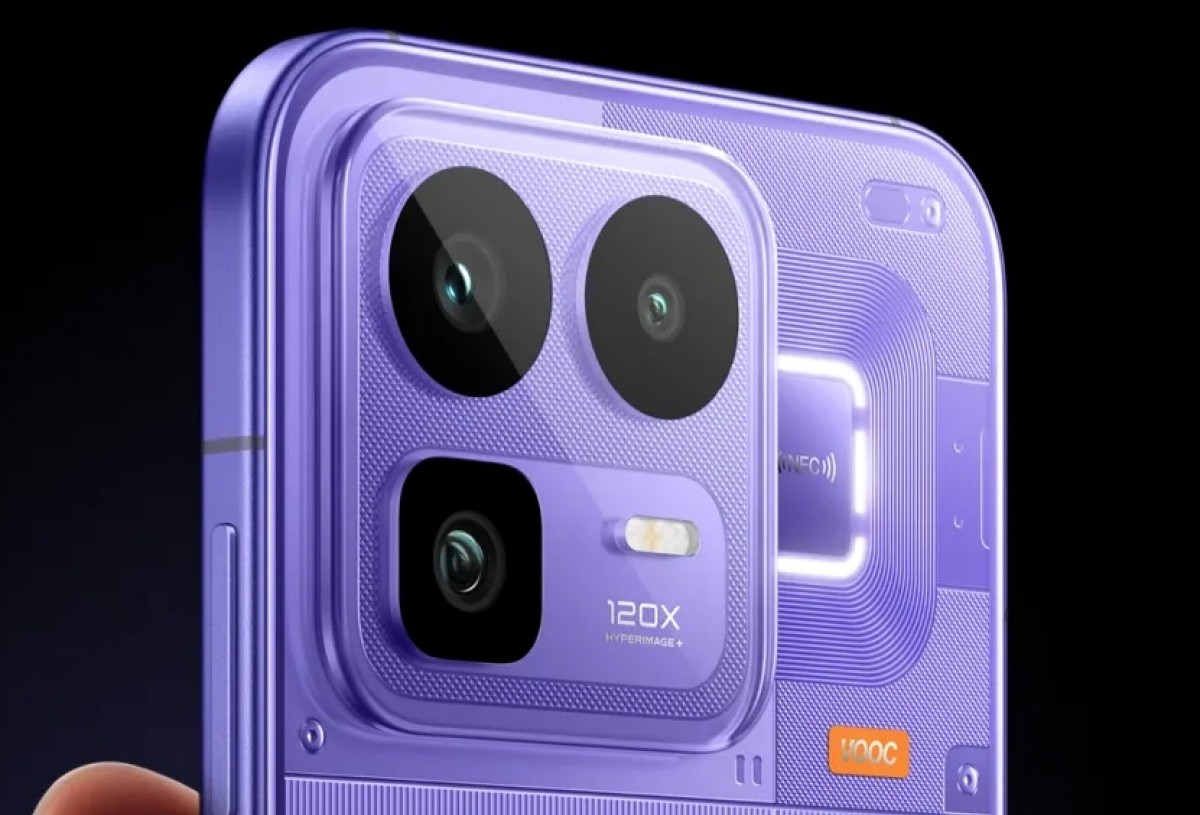
The device features a 6.78‑inch AMOLED display with a 165 Hz refresh rate, Full HD+ resolution and a peak brightness of up to 6500 nits — parameters important for outdoor use and for content creators. The rear panel is transparent with decorative RGB lighting Awakening Halo that responds to notifications; the body is glass with a metal frame.
Cameras and connectivity
The main camera system is triple‑module: a 50 MP Sony IMX896 with OIS, a 50 MP periscope module with 3.5x zoom and an 8 MP ultrawide; the front camera is 16 MP. Connectivity features include Wi‑Fi 7, Bluetooth 6.0, NFC, stereo speakers and an infrared port.
"Neo8 combines flagship performance and a battery for multi‑day use"
— Realme, presentation in China
Price and configurations
Prices start at 2599 yuan (~$370) for the version with 12 GB of RAM and 256 GB of storage. The top configuration with 16 GB of RAM and 1 TB of storage is priced at 3899 yuan (~$560). Available colors: Cyber Purple, Mecha Grey and Origin White.
Context: trends and previous releases
Realme already in 2025 released a themed model for Formula‑1 fans and the GT8 Pro with a swappable camera module and a 7000 mAh battery. The Neo8 logically continues the brand's focus on endurance and design experiments, raising the bar for stamina among affordable flagships.
Why this matters for Ukraine
At a time when mobile battery life and device reliability are important not only for everyday use but also for journalists, volunteers and field workers, an 8000 mAh battery and IP69 protection are a real advantage. Investing in a smartphone with long battery life and modern network standards is also a matter of work efficiency and continuity of communication in difficult conditions.
Brief conclusion
The Realme Neo8 is a combination of flagship performance and an unusually large battery for its segment. For the user this means more time between charges and fewer compromises between performance and autonomy. The next questions are about markets: how well this model will withstand competition and when an official offer will appear for Ukraine.



