Realme equipped budget phone with battery that wasn't in flagship models three years ago
The C100 4G costs $292 and comes with 8000 mAh with IP69K protection — a standard typically found in industrial equipment. The question is what exactly had to be sacrificed.

By Oleg Bazylewicz
April 9, 2026 · 2 min read
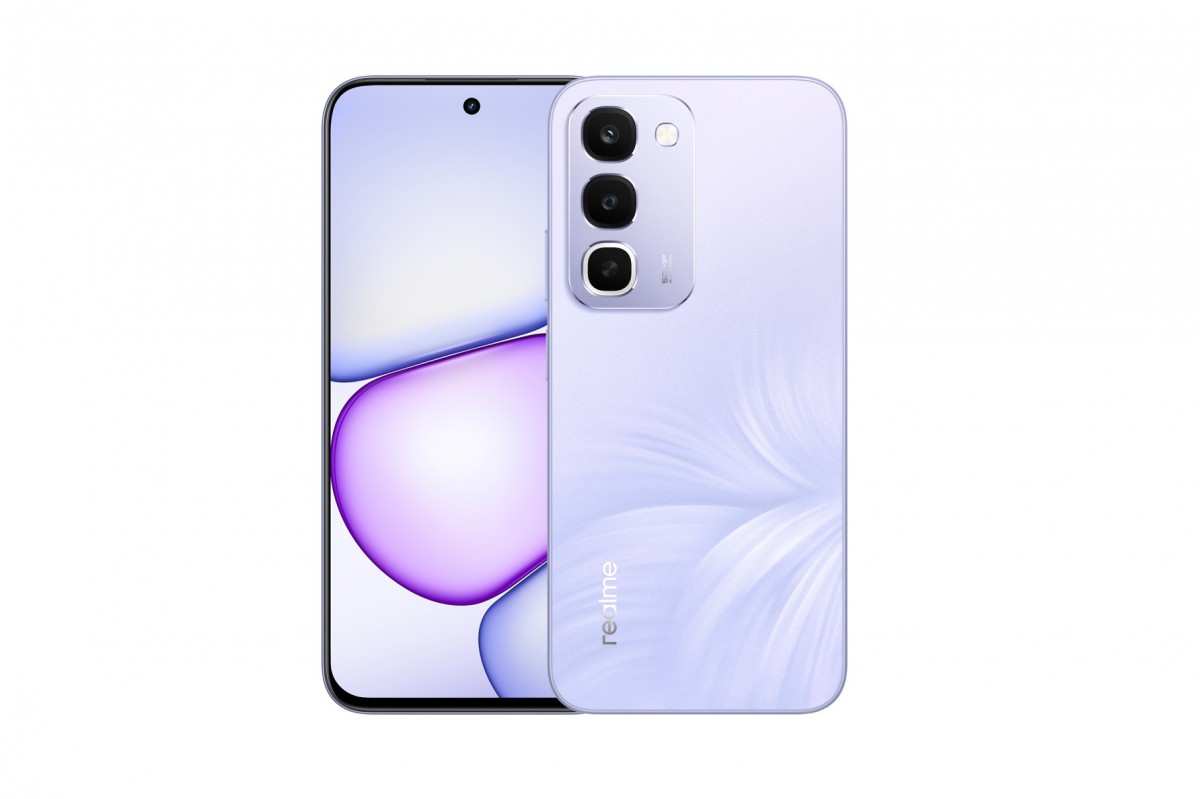
Realme has added a new model to the C100 series — C100 4G. On paper, the device looks like an anomaly for its price range: a 8000 mAh battery with 45W charging and protection against dust and high-pressure hot water jets — IP69K. This is the kind of certification industrial and medical equipment receives, not smartphones priced at $292.
What's Inside
Processor — MediaTek Helio G92 Max, display — 6.8-inch IPS LCD with HD+ resolution and 120 Hz refresh rate, ArmorShell protective glass with peak brightness up to 1200 nits. Memory: 6 or 8 GB LPDDR4X RAM, 128 or 256 GB eMMC 5.1 storage. Main camera — 50 MP with f/1.8 aperture, front camera — 8 MP. OS — realme UI 7.0 on Android 16.
«According to our tests, the C100 4G provides over 23 hours of continuous video playback, 20+ hours of navigation, and over 13 hours of gaming on a single charge»
— Realme, official press release
These figures are manufacturer-measured, meaning they were obtained under controlled conditions. Real-world results are typically 15–25% lower, but even then, for a $292 device, this is substantial.
The Compromise the Press Release Doesn't Mention
The Helio G92 Max is a mid-range chip focused on energy efficiency rather than computational power. HD+ instead of Full HD on a 6.8-inch screen gives a pixel density of about 268 ppi — noticeably less than competitors in the same class. A large battery means more weight: the manufacturer had not officially announced the weight at the time of publication.
Notably, the 5G version of the series — C100 5G — has a smaller battery (7000 mAh), but is equipped with the more modern Dimensity 6300 chip and costs from $215 in Thailand. In other words, Realme is deliberately betting on battery life as the main selling point of the 4G model, rather than performance.
Why This Matters Beyond Vietnam
For now, the C100 4G is officially available in Vietnam for VND 7,690,000 (~$292) in white, purple, and brown colors. However, Realme traditionally enters Southeast Asian and Indian markets in waves.
According to IDC, the sub-$300 segment remains the most active in Asia and Africa — this is where Transsion, Xiaomi, and Realme are fighting for real market share. For a user in a region with weak charging infrastructure, IP69K and 8000 mAh is not marketing, but a practical necessity.
- Battery: 8000 mAh, 45W wired charging, 10W reverse
- Protection: IP66 / IP68 / IP69 / IP69K
- Display: 6.8" IPS LCD, HD+, 120 Hz, 1200 nits
- Chip: MediaTek Helio G92 Max
- Memory: 6/8 GB RAM + 128/256 GB ROM
- Cameras: 50 MP (f/1.8) + 8 MP front
- OS: realme UI 7.0 / Android 16
- Price: from ~$292 in Vietnam
Realme has bet on a single characteristic — battery life with protection — and built the entire device around it. If the C100 4G launches in India or Africa without significant price increases, competitors will have to either copy the formula or explain why their phone at the same price holds charge twice as long.



