Voice Revolution: Google Translate with Gemini Delivers Real-Time Translation
Google has integrated Gemini 2.5 into Translate — voice translation in headphones now works even without expensive headsets. This is a historic step for language accessibility and instant communication, already being discussed by Western analysts.

By Tetiana Suchkova-Ladik
December 16, 2025 · 2 min read
You won't read this in dry technical reports: Google has taken a step that brings the world closer to being free of language barriers. The new voice-translation feature in the Translate app now works in real time and delivers translations straight to headphones — even the simplest models. This is not trivial for us: fast and natural communication means more opportunities for business, education, and international coordination.
How it works
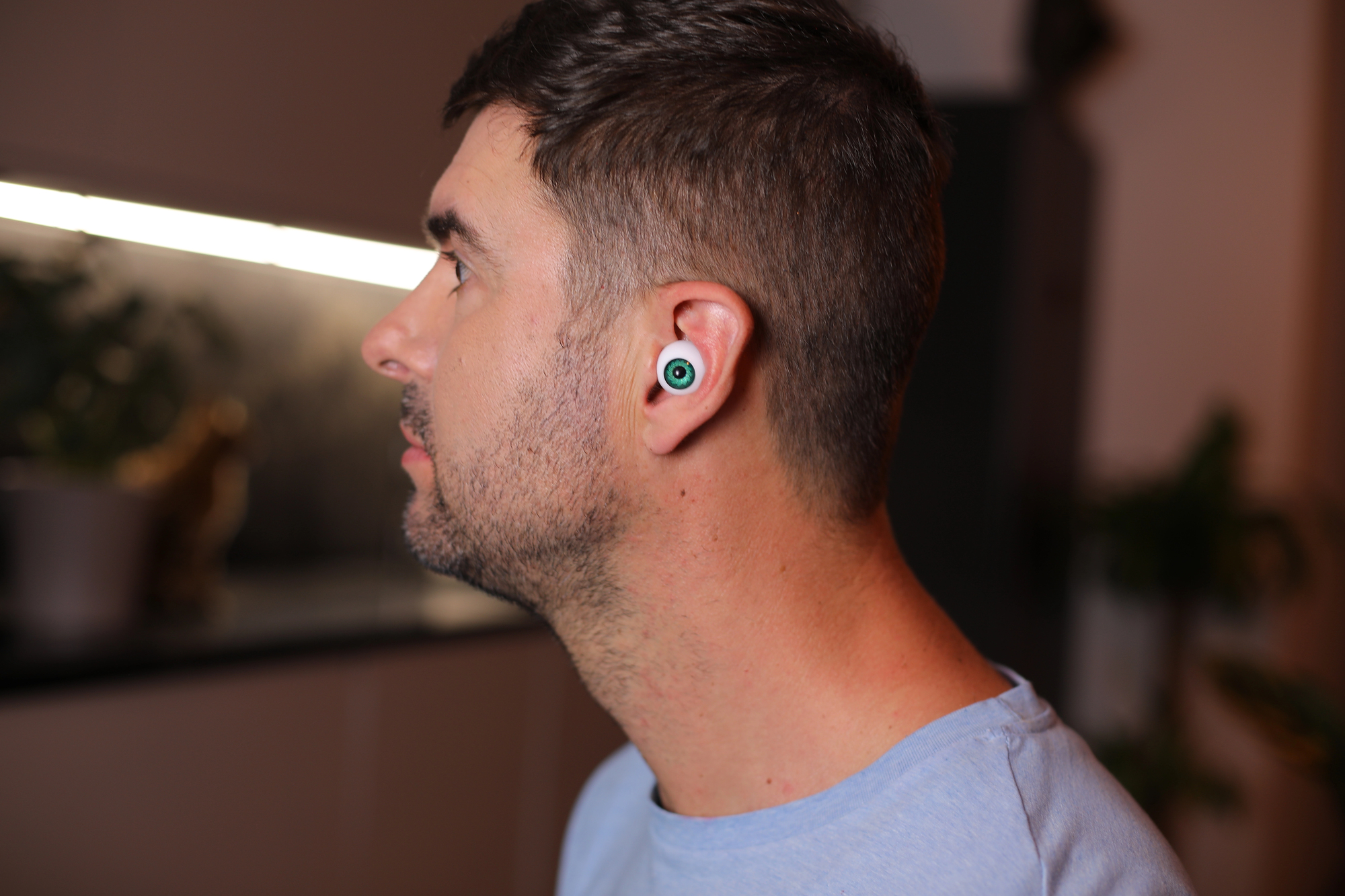
Behind the feature is Gemini 2.5 Flash Native Audio — an updated artificial intelligence model that automatically recognizes speech, suppresses background noise, and translates roughly 70 languages. The technology conveys intonation, pace, and the emotional nuances of the original, so the translation sounds natural rather than robotic. The user hears the voice translation in their headphones, and a text version appears on the smartphone.
This is a historic moment in human-machine interaction: the barriers between languages are beginning to fall, and this is changing the rules of communication.
– Western analyst
Why this matters
Big tech players have long worked on improving voice translations, but now it's becoming mainstream: the feature works even without active noise cancellation, though the company recommends using headphones with ANC for best quality. The beta is already available in the U.S., India, and Mexico; if you don't have a smartphone on hand, you can try it through the web version of Translate. Everyone is talking about how such tools will speed up international cooperation and reduce information isolation.
Western analysts note that the combination of live audio translation and textual prompts makes the platform a universal tool — from emergency negotiations to everyday learning. And it's not just about convenience: the availability of language technologies increases our digital resilience and expands opportunities for Ukrainian users and students.
Where this will change the game
For Ukraine this has practical significance: the company also granted students in Ukraine a year of free access to AI Pro — tools that are already helping in education and research. The world is stunned by the speed of development of such services, and insiders are talking about the beginning of a new era of access to knowledge.
This is more than a feature in an app — it's a historic step in the global landscape of languages and trust. The technology is already here, being tested by hundreds of thousands of users, and soon live translation in headphones will become part of everyday communication. It is important for us to follow this trend and use it to benefit our security, education, and international presence.