Drone-inspector robot in 5–10 minutes: what it means for the frontline and manufacturing
At the Enforce Tac exhibition in Nuremberg, Cerberon Defence Systems showcased the End‑of‑Line‑Testrobot — a system that inspects drones in a matter of minutes. We explain why this matters for quality, production scale, and operational capability during wartime.

By Tetiana Suchkova-Ladik
March 3, 2026 · 2 min read
What was shown in Nuremberg
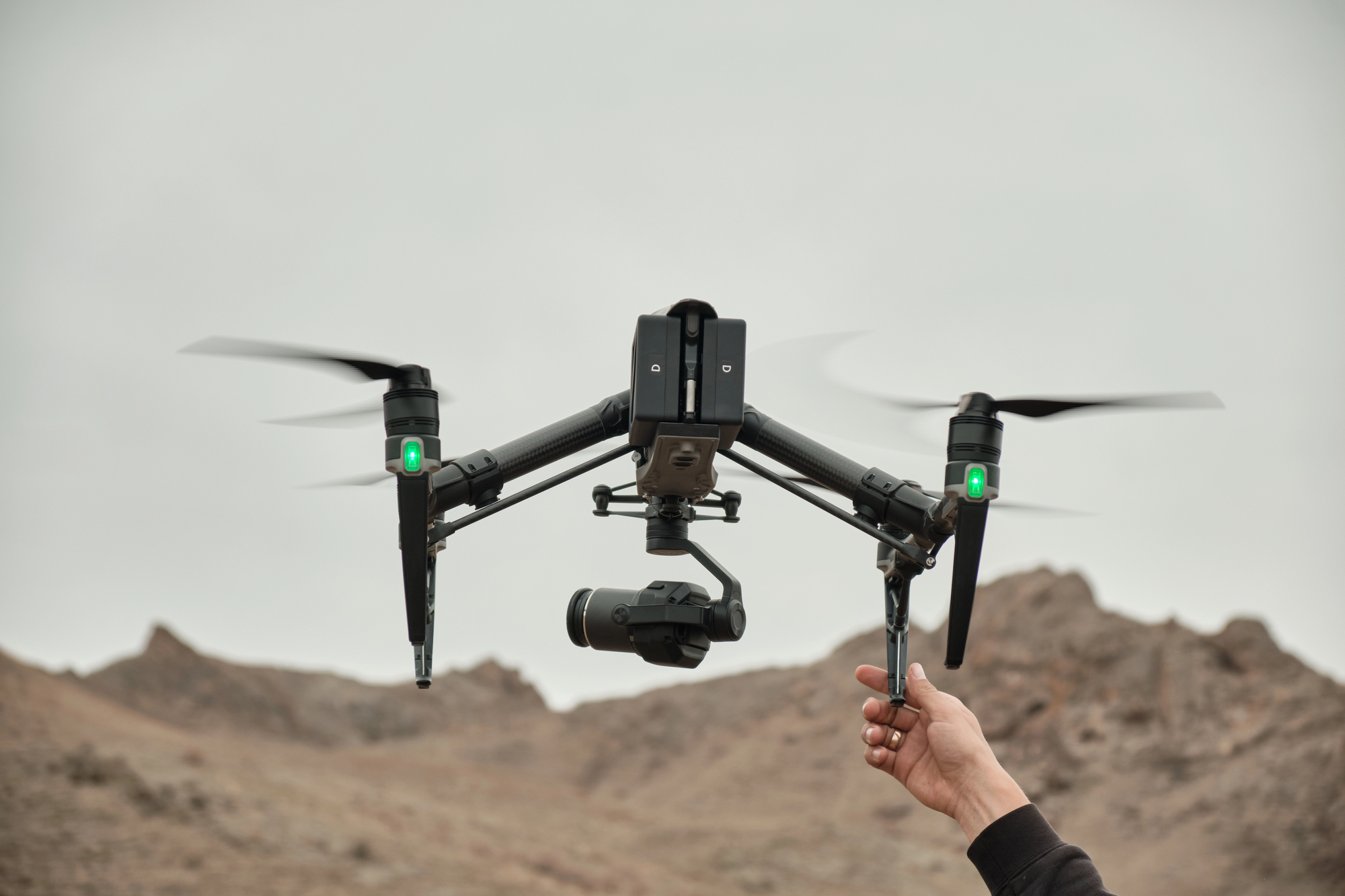
At the Enforce Tac exhibition in Nuremberg, the German company Cerberon Defence Systems presented a robotic complex for automated testing of drones — the End‑of‑Line‑Testrobot. According to Hartpunkt, the system is capable of performing a full check of a vehicle in approximately 5–10 minutes, recording the operation of avionics, motors, cameras and logging telemetry for further analysis.
"The main problem of mass UAV production remains quality control."
— Cerberon Defence Systems, manufacturer (as reported by Hartpunkt)
How it works
The robot features a multi‑joint construction and a set of sensors that allow it to securely fasten the drone and simulate key operating modes. During thrust tests, undesirable vibrations and deviations in thermal readings are recorded. The system is designed for platforms up to 12 kg, with work underway on a version up to 25 kg. The device operates autonomously 24/7 and stores all test data for subsequent analysis and tracking of defects across production batches.
Why this matters for Ukraine
In conditions of wartime mobilization, UAV production must be not only fast but also reliable. Automation of quality control enables:
• freeing pilots and engineers from routine test launches;
• ensuring almost complete inspection of batches during serial production;
• reducing the risk of in‑flight failures by detecting anomalies early.
This is especially important for Ukrainian manufacturers and partnerships: alongside the announcement of the high‑speed drone Hildegard (up to 500 km/h), Cerberon is also negotiating with national and international companies. At the same time, reports mention joint production by Ukrainian Frontline and Quantum Systems in Germany — automated testing could become a catalyst for such projects.
Implications for the market and security
Analysts note that the costs of automation pay off through reduced scrap, shorter release times and increased partner confidence. For Ukraine, this means not only a greater number of operational platforms but also higher quality that can be documented — an important factor for exports or cooperation with European factories.
Conclusion
Technical innovation is not an end in itself. The End‑of‑Line‑Testrobot addresses a real problem of serial drone production: quality control at speed. For Ukraine, this is a chance to accelerate scaling of production and improve the reliability of systems operating at the front. Whether such systems can be integrated into Ukrainian production lines faster than the adversary is a question on which part of our operational resilience depends.



