ROG Strix SCAR 18 (2026): flagship featuring Arrow Lake‑HX and RTX 5090 — what it means for gamers and professionals
Asus published teasers and renders of the ROG Strix SCAR 18 (2026). This is not just an upgrade — it’s a signal of an orientation toward maximum performance. We break down the technical details and practical implications for Ukrainian users.

By Tetiana Suchkova-Ladik
March 19, 2026 · 2 min read
What’s been announced
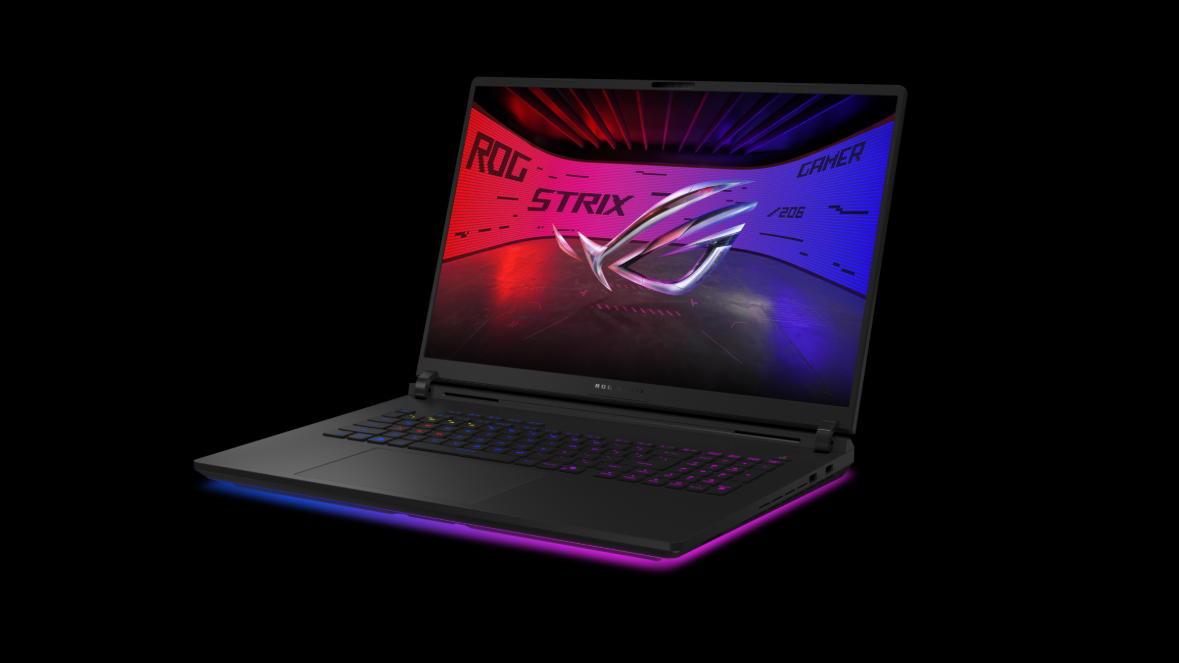
Asus has shown teasers and official renders of a new flagship — ROG Strix SCAR 18 (2026). The model will join the updated ROG Strix lineup and will feature processors from the Intel Arrow Lake‑HX family, including flagship-level chips such as the Intel Core Ultra 9 290HX, as well as the mobile GPU Nvidia GeForce RTX 5090 Laptop GPU.
Key technical details
Published information indicates: two memory slots supporting DDR5‑6400, two M.2 bays with PCIe Gen5 support for fast SSDs, and an 18‑inch Mini LED display with a resolution of 3840 × 2400 and a refresh rate of 240 Hz. One notable physical change is the increased power supply capacity to 450 W (the predecessor had 380 W). The chassis has become heavier and thicker: ~3.73 kg and 35 mm thick.
Why it matters
This release prioritizes performance over mobility. A 450 W power brick and powerful components deliver a significant boost in compute and graphics performance, but that also means higher thermal loads, greater weight, and reduced battery life. For enthusiasts, content creators, and esports teams, it’s a tool that enables desktop-class work and competition — but not a substitute for those who need lightness and long battery endurance.
"ROG Strix SCAR 18 is positioned as the new flagship of the line — maximum performance for mobile workstations and gamers."
— official teasers and renders from Asus
Context for Ukraine
In Ukraine, these machines interest several groups: gamers and esports players, graphic studios and video production, and specialists in modeling and simulations. Despite the high price, quality imported laptops show how ready global tech leaders are to invest in mobile performance. For the Ukrainian market, availability, customs logistics, and the hryvnia exchange rate will be decisive — factors that will determine whether these models appear quickly in local stores or only in a narrow order segment.
What’s next
Asus plans a release in the second quarter of 2026; prices and exact configurations have not yet been announced. The company’s focus on laptops (alongside its decision to stop developing smartphones) confirms a strategy of concentrating on segments with high margins and strong tech demand. For Ukrainian users this means: expect a premium device with great potential, but be prepared for compromises in weight and battery life.
Conclusion
ROG Strix SCAR 18 (2026) is a technical showcase of power: potent CPU/GPU, fast interfaces, and a high‑class display. Whether it becomes widespread in Ukraine will depend on price, logistics, and purchasing power. For professionals and enthusiasts it offers new capabilities; for other consumers it’s a reminder that mobile performance is rising — but at a price.