Ronaldo — the face of a Chinese vacuum cleaner. What Dreame is buying for his name
Dreame Technology has entered into a global partnership with Cristiano Ronaldo. Under the agreement, he will promote robotic vacuum cleaners, major home appliances, and kitchen equipment — though the contract terms and duration have not been disclosed publicly.

By Tetiana Suchkova-Ladik
May 25, 2026 · 2 min read
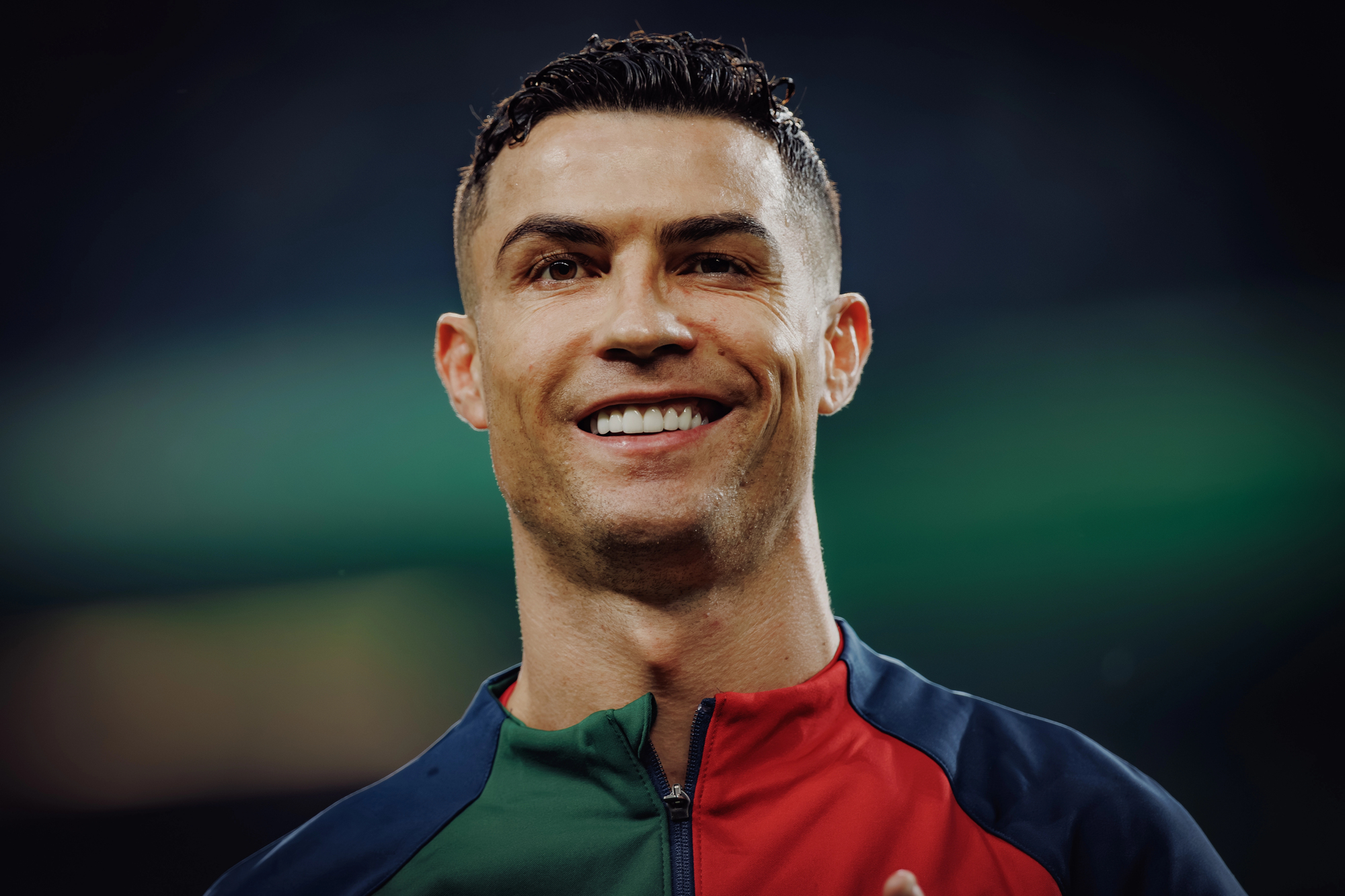
Dreame Technology, a Chinese household appliance manufacturer, has announced Cristiano Ronaldo as the brand's global ambassador. The partnership covers four categories: robot vacuum cleaners, major household appliances, personal care devices, and kitchen appliances. The company did not disclose the contract value or duration.
Who is Dreame and why does it need Ronaldo
Dreame was founded in 2017 in Suzhou — initially within the Xiaomi ecosystem, which funded its launch. By 2019, the company spun off from Xiaomi and bet on its own premium brand segment. The bet paid off: according to Euromonitor International, in 2025 Dreame ranked first in the world for premium robot vacuum cleaner sales and holds over 40% of the market in 18 countries — from Germany and Poland to Sweden and Finland. Revenue in Europe for January–July 2025 grew 139% year-over-year.
Despite its technological achievements, Dreame remains a little-known name outside the home appliance market. Ronaldo is not a product solution, but a recognition solution: over 600 million followers on social media, an audience in every time zone.
"Our mission is to empower people through technology that truly improves their lives"
Sean Chen, Managing Director of Dreame Western Europe
A contract without verification mechanism
Dreame is not the first to use celebrity ambassadors to enter new markets. Previously, the brand attracted Bollywood actress Kriti Sanon for India and actress Liu Yifei for Southeast Asia in the major household appliances category. Each time, the company announced "360-degree campaigns" — but without specific KPIs or public commitments regarding volumes.
The Ronaldo deal follows the same logic: broad category coverage, absence of public success metrics. There is no information about exclusivity in the sector (can he advertise competitors?), geographic campaign priorities, or deadlines.
For Ronaldo, this is already several major partnerships simultaneously — WHOOP, Esports World Cup 2025, Aroya Cruises, Al Nassr. Diversification of endorsement portfolios at the final stage of a career is a common practice, but it also blurs the exclusivity of each individual brand.
What this means for the market
Chinese appliance manufacturers are massively entering the global market through sports marketing — Dreame already had a partnership with Borussia Dortmund since 2021. Ronaldo is a logical next step: maximum audience, neutral to any region. But brand recognition and consumer trust in a product are different things: consumers in Britain or France may buy a vacuum cleaner through Ronaldo's advertisement, but will stick with it only if the appliance meets their expectations.
Dreame is currently a leader in the premium segment — but that's exactly why the next growth stage will be the hardest: saturated markets, strong competitors (Roborock, iRobot, Dyson), and skeptical consumers who need more than just a handsome face on a banner.
If Dreame does not reveal any measurable results of this partnership by the end of 2026 — neither in market share in new regions nor in brand awareness — the Ronaldo deal will remain a marketing headline without an evidence base.