RUTA Block 3: A Winged Missile with a Range of 2000 km to Be Tested in Ukraine — and Why It Matters Now
# Destinus and Rheinmetall Accelerate RUTA Block 3 Development Destinus and Rheinmetall have accelerated the development of RUTA Block 3, a system featuring a T220 engine, a 250 kg warhead, and GPS-independent navigation. Flight tests are scheduled for 2027, while production chains for earlier versions have already been launched in three countries.

By Tetiana Suchkova-Ladik
May 18, 2026 · 2 min read

On May 18, 2026, Swiss-Dutch company Destinus announced the acceleration of the RUTA Block 3 program — a cruise missile with a range of 2,000 km, which is being developed jointly with Rheinmetall. This is not a startup announcement: the RUTA family has already moved from field testing to serial production.
What is Block 3 and how does it differ from its predecessors
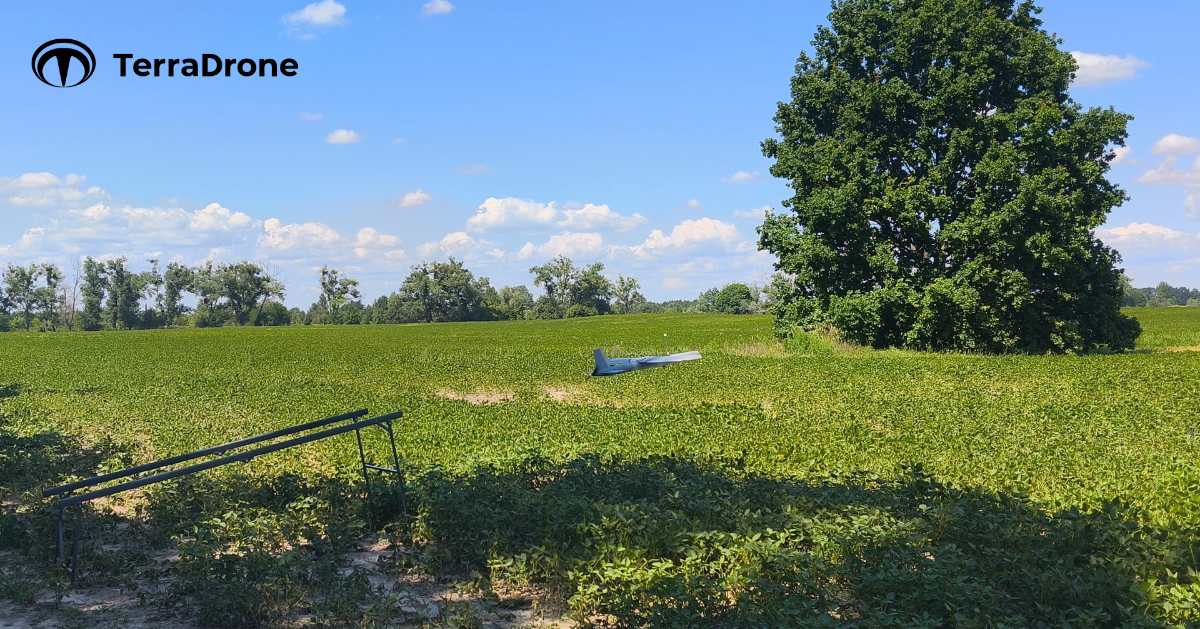
RUTA Block 1 is being produced in series in the Netherlands. Block 2, developed with the support of the Ukrainian defense cluster Brave1, is currently undergoing flight tests in Ukraine and is being prepared for large-scale production in 2026 — its declared range exceeds 450 km.
Block 3 is a different class. The system will receive the Destinus T220 engine of its own design (currently in the design phase) and a warhead weighing 250 kg. Range — up to 2,000 km. Flight tests are scheduled for 2027.
A key technical detail: the system is designed to operate in GPS-jammed conditions. It will have autonomous navigation in environments with reduced GNSS signal and a terminal guidance system at the final stage of flight — the latter is still under development.
"The program is designed to transition Europe from limited stockpiles to sustainable industrial production of long-range strike systems."
Destinus, official statement, May 18, 2026
Three production hubs — and Ukraine is among them
The production chain is structured between three countries:
- Netherlands — main engineering center and primary site for serial production of the entire RUTA family;
- Ukraine — development, operational testing of Block 3, and production of key components;
- Germany — at the Rheinmetall plant in Unterliess, production of Block 1 and Block 2 is planned to begin in 2026–2027; final integration for the Bundeswehr and the broader European market will take place here.
The joint venture Rheinmetall Destinus Strike Systems has not yet been registered — it is only "planned," which is a standard caveat for deals of this level.
Tactical context: why Ukraine should be a production center
Ukraine's participation in Block 2 development through Brave1 is not just a test range. Destinus directly states that Block 3 is being built on "operational lessons from Ukraine." The placement of component production in Ukraine is a non-trivial decision given the risks, but it shortens the logistics chain and accelerates feedback between the front lines and the designers.
A range of 2,000 km covers a significant part of the adversary's strategic depth, which fundamentally distinguishes Block 3 from tactical systems. For comparison: Storm Shadow/SCALP has a range of about 550 km, ATACMS — up to 300 km.
What remains uncertain
The T220 engine and the terminal guidance system are still under development. This means that 2027 is the date for the start of flight tests, not acceptance into service. There is currently no confirmation from the Armed Forces of Ukraine or ISW regarding characteristics or timelines for operational use.
If Block 2 confirms reliability in field conditions by the end of 2026 and Rheinmetall launches production on schedule — Block 3 will receive a realistic industrial base even before its first flight. If not, the program risks repeating the fate of several European "long-range" announcements that stalled at the render stage.