Samsung's 20 years of leadership in the TV market — what it means for the global industry and Ukraine
According to Omdia, in 2025 Samsung's share was 29.1% — not just a record, but a signal of how display standards, prices, and supply chains are being shaped, and on which the Ukrainian market also depends.

By Tetiana Suchkova-Ladik
March 11, 2026 · 2 min read
What happened
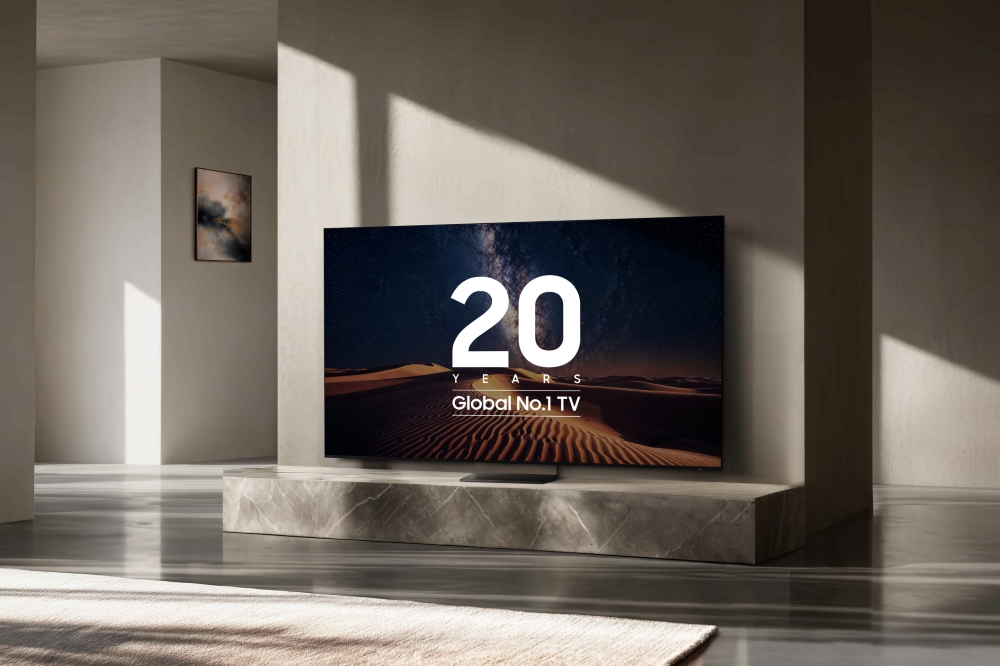
Samsung Electronics said it has held the top spot in the global television market by revenue share for twenty consecutive years. According to analytics firm Omdia, the manufacturer's share was 29.1% in 2025.
Why this matters
The leadership, which has continued since 2006, is no accident. Analysts link it to a focus on premium models, large screens and sustained investments in display technologies: from the shift to LED and Smart TV to 8K, QLED and Micro LED. The current portfolio includes the development of OLED, Neo QLED and Mini LED, as well as the integration of artificial intelligence-based features for image and sound processing — all of which enhance the product’s appeal to both end consumers and the professional segment.
The presence of a large player with such a market share affects pricing, technology availability and component supply chains. For countries that import equipment, this means more predictable deliveries, but also risks of concentrated dependence on a single large supplier.
What this means for Ukraine
For the Ukrainian market and the media equipment industry, the leader’s stability on the global market has several practical consequences: availability of modern televisions for consumers, opportunities for service and logistics businesses, and potential for partnerships in post-war infrastructure reconstruction (for example, digital displays for education or healthcare). At the same time, it is important to monitor diversification of supplies and the development of local services to reduce vulnerability to global shocks.
Samsung's business diversification
Beyond televisions, Samsung continues to invest in adjacent areas: recent reports about testing silicon-carbon batteries for smartphones are an example of technological diversification that strengthens the brand’s ecosystem. This means Samsung’s strength as a brand and platform advantageously propels and develops its television products, but also sidelines competition amid vertical integration.
"Samsung's sustained leadership is explained by a focus on premium panels, software-based image processing and production scale, which gives it a revenue advantage even with fluctuating shipment volumes"
— Omdia, display market analyst
Brief conclusion
29.1% in 2025 is an indicator of both technological advantage and market concentration. For Ukraine, it is both an opportunity and a challenge: an opportunity for access to advanced solutions and potential partnerships; a challenge — dependence on global players and the need to diversify supply chains. Now it is important not only to record the numbers in tables, but to seek ways to use them to strengthen national resilience and the development of the technology sector.