Samsung Borrows the Word "Ultra": Fold 8 Ultra Will Have Neither S Pen Nor Privacy Display
Samsung is renaming its wider Fold 8 model to simply Fold 8, while making the successor to the Fold 7 the Fold 8 Ultra — but without key Ultra lineup attributes. The name is becoming a marketing category rather than a technical one.

By Tetiana Suchkova-Ladik
May 25, 2026 · 2 min read
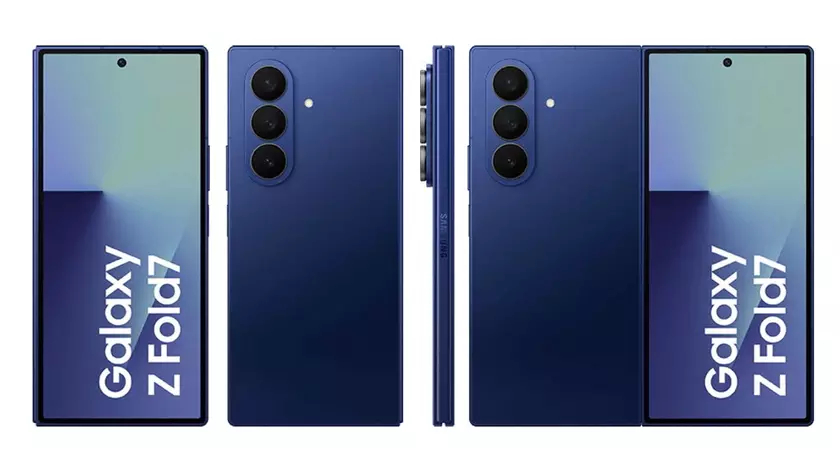
Samsung is preparing for a significant reorganization of its foldable smartphone lineup — and the most interesting part here is not the new devices themselves, but what name each of them will receive.
Inverted Logic: The "Basic" Model is a New Form Factor
According to SamMobile, Samsung plans to name its next two flagship foldables Galaxy Z Fold 8 and Galaxy Z Fold 8 Ultra. However, the logic of name distribution is opposite to expectations: The Galaxy Z Fold 8 Ultra will be the direct successor to the Galaxy Z Fold 7, while the Fold 8 name will go to a new wider model — the one that previously appeared in leaks as Galaxy Z Fold 8 Wide.
The wider model is positioned as Samsung's response to Apple's expected foldable iPhone. Among the Fold 8's characteristics are a 4:3 aspect ratio, two 50 MP cameras (wide and ultra-wide), a 4,800 mAh battery, and a weight of around 200 grams. To accommodate the wider body, the device will lose one of its rear cameras — an approach similar to the Galaxy S25 Edge solution.
"Ultra" Without Ultra Attributes
This is where a contradiction arises that industry observers have already noticed. Renowned insider Ice Universe noted that the upcoming premium foldable smartphone will not feature a built-in S Pen stylus and Privacy Display functionality, which are defining features of the Ultra series in Samsung's standard flagship phones.
"Samsung risks blurring the Ultra brand's impact, especially if the Fold 8 Ultra doesn't offer specifications that materially exceed its predecessor"
— Wccftech
Privacy Display — a Galaxy S26 Ultra feature — is technically difficult to integrate into the ultra-thin glass of a foldable display, which partially explains its absence. However, giving up the S Pen is another decision: Samsung already removed the stylus from the Fold 7, citing the ultra-thin body.
What the Fold 8 Ultra Will Still Get
- Qualcomm Snapdragon 8 Elite Gen 5 processor — the same as in the Galaxy S26 Ultra
- 5,000 mAh battery — versus 4,400 mAh in the Fold 7
- Weight of around 210g and thickness of 4.1mm in unfolded state — slightly lighter and thinner than the Fold 7
- Main 200 MP camera and 10 MP front camera — unchanged from its predecessor
Unpacked — This Summer, But Not Where We're Used To
According to data from South Korea, the Unpacked presentation may take place on July 22 — with a slight delay compared to last year's schedule. Notably, this time Samsung will likely hold the event in London rather than in Korea or the US, as it has done before.
If Samsung plans to sell around 3.5 million units of the Galaxy Z Fold 8 — the wider model — then the bet on the new form factor is obvious. The real question is different: will a buyer who is used to seeing "Ultra" as the maximum specification be willing to pay a premium for a device where this word simply means "a continuation of the lineup"? The answer will become clear when Samsung announces its prices — and those prices will show just how much the company itself believes in this rebranding.