Samsung Galaxy A57 certified in China: OLED, 5,000 mAh — and what it means for Ukrainians
TENAA has published the key specifications of the Galaxy A57 — a 6.6" FHD+ display (likely a flexible OLED), a 5000 mAh battery and a slimmer body. We break down why this mid‑ranger is particularly important right now for the market and for users in Ukraine.

By Tetiana Suchkova-Ladik
January 20, 2026 · 2 min read
In brief — why read this
Certification in China’s TENAA database means Samsung is close to a global release of the Galaxy A57. For the Ukrainian market this is not just another smartphone: it’s a combination of large screens, long battery life and an affordable price — factors that determine most buyers’ choices during a crisis.
What the certification showed
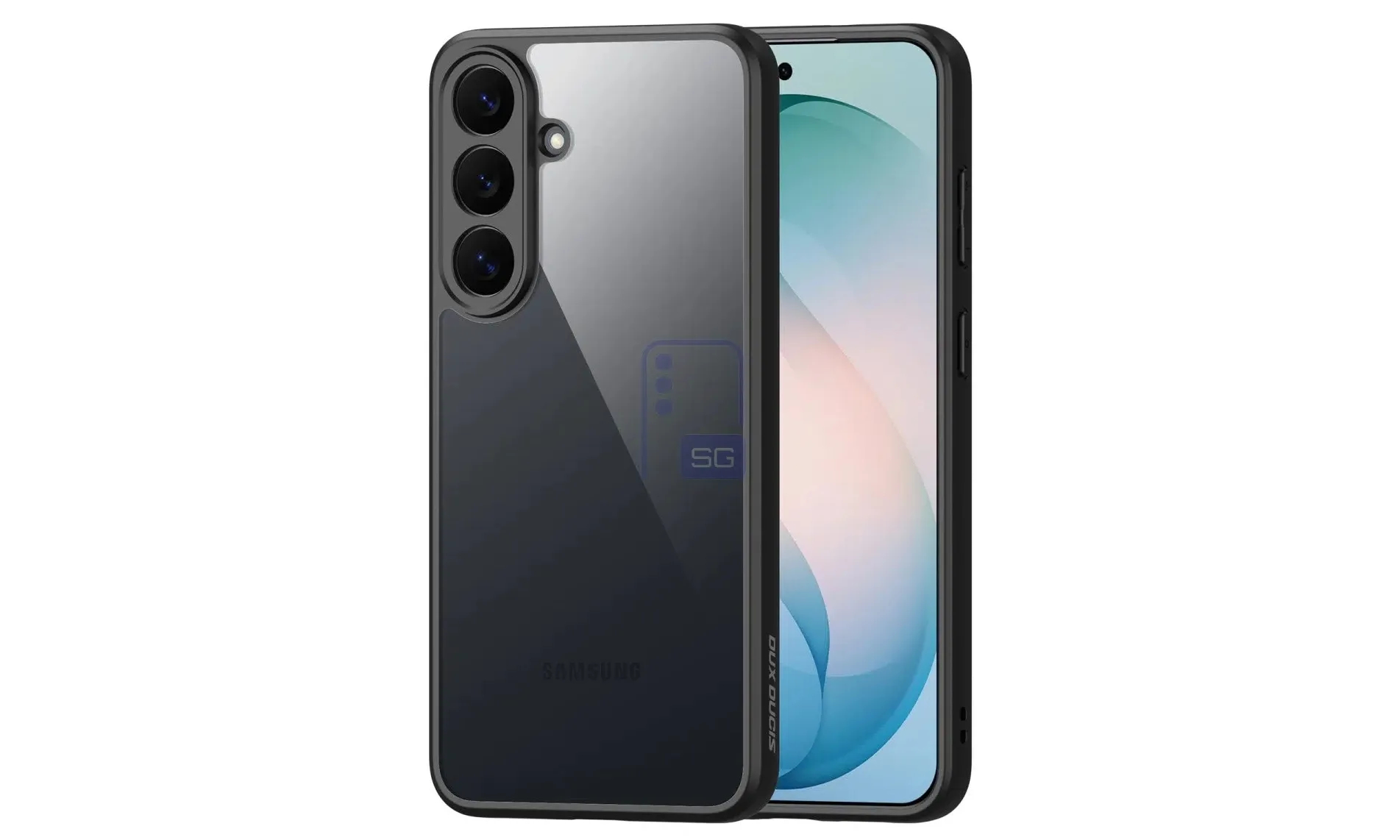
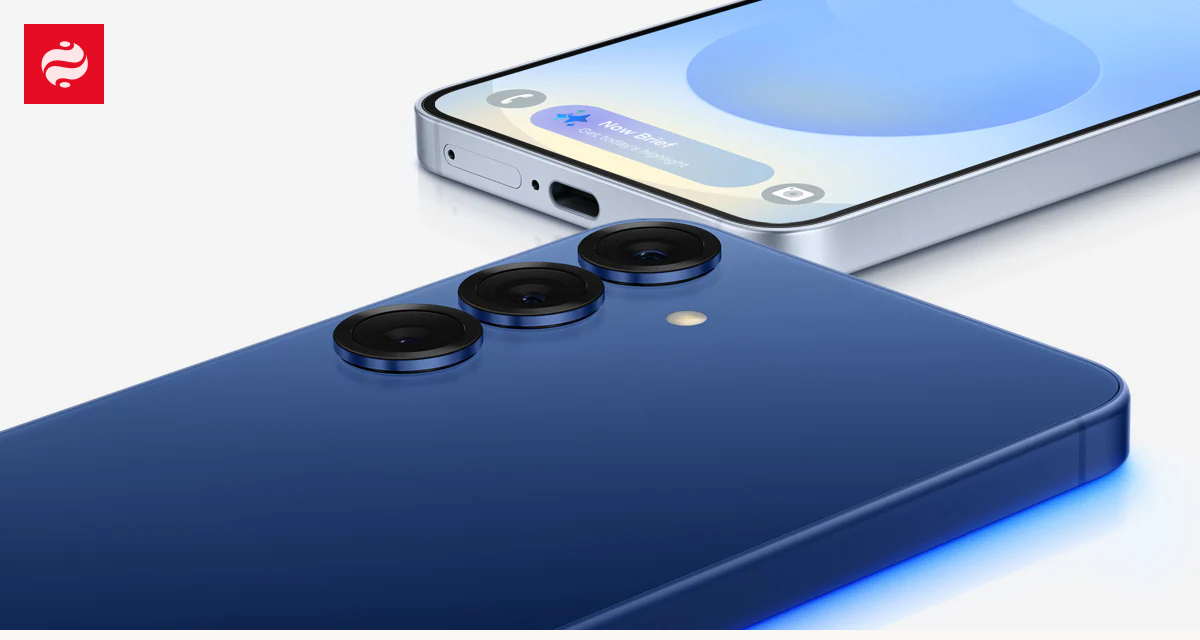
TENAA records list a 6.6-inch display with Full HD+ resolution — likely based on a flexible OLED panel. Inside is an octa-core chip with clock speeds up to 2.9 GHz, which leaks name as the new Exynos 1680. The main camera is 50 MP, with additional 12 MP and 5 MP sensors, and a 12 MP front camera.
The battery is 5000 mAh with expected support for 45 W fast charging. The body is thinner than its predecessor: 6.9 mm thick and 182 g in weight — factors that increase the device’s appeal in the segment.
Why this matters
For the buyer. A large bright OLED, long battery life and fast charging are practical advantages: better content viewing, offline usage and quick top-ups. For those buying in the mid-range price bracket, the A57 could be a balanced offer.
For the Ukrainian market. The arrival of modern OLED solutions in mid-range models means competition and price pressure. This is important during economic uncertainty: more accessible technologies lower the barriers to quality connectivity and information security.
Context and sources
Data come from the TENAA database; technical details about the processor and features partially corroborate recent leaks in specialized outlets (GSMArena, SamMobile). This development is a logical result of component cost optimization and the spread of flexible OLED technologies into the mass market.
"Certification in TENAA is a signal that the A57 is preparing for a global launch: for Ukrainian users the main thing is the combination of long battery life and a quality display at a reasonable price."
— Andriy Koval, Editor-in-Chief of RazomUA
Conclusion
The Galaxy A57 looks like a calculated move by Samsung toward democratizing OLED and large batteries for the mid-range. For consumers in Ukraine it’s a chance to get a modern feature set without overpaying for a flagship. The next step is pricing and availability from local retailers: they will determine how noticeable the impact on the market will be.