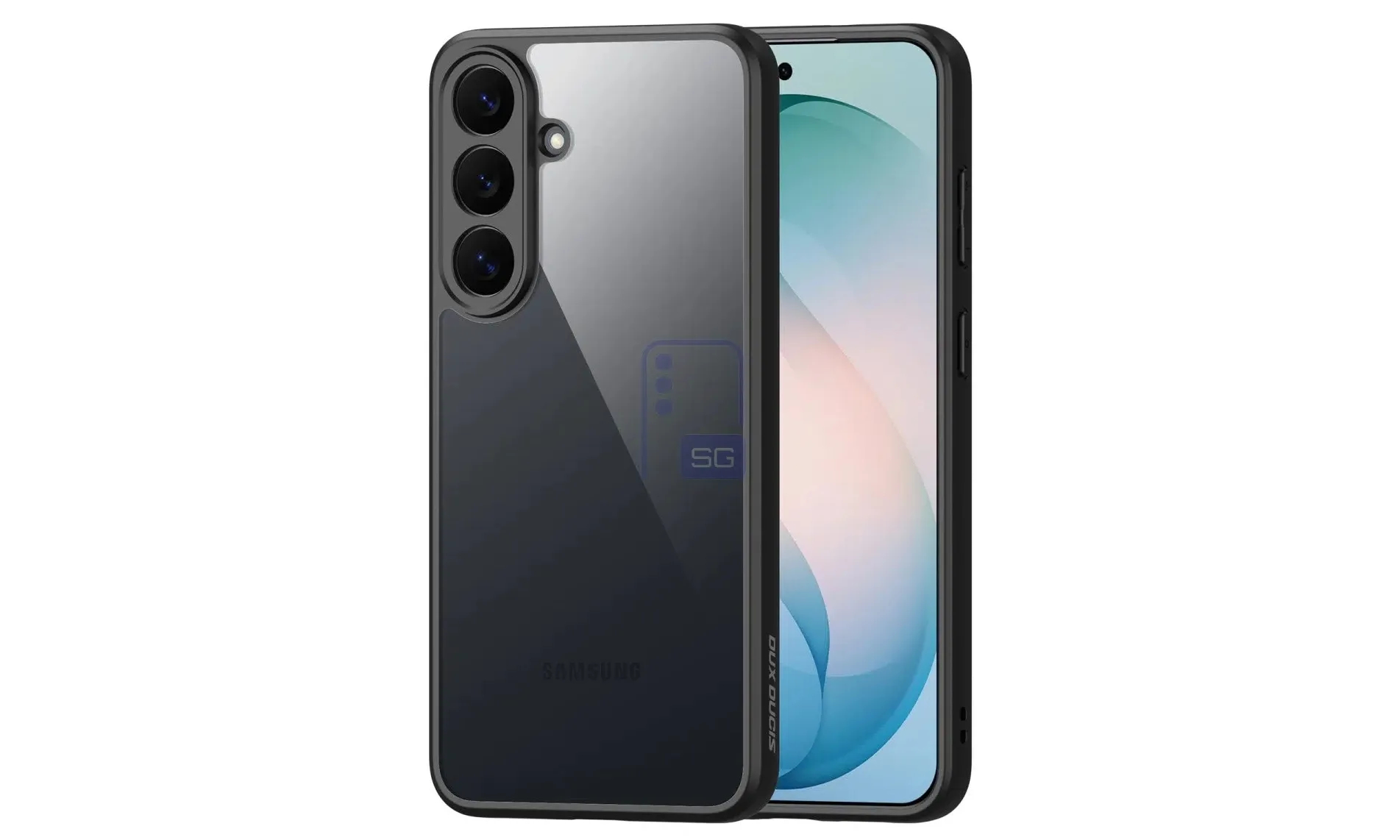
Samsung Galaxy S26 FE tested with One UI 9 — may get flagship chip without compromises for the first time
Samsung has registered a test build of One UI 9 for the Galaxy S26 FE ahead of the official shell release. According to leaks, the FE series may finally get rid of its main drawback this time — the cut-down processor.

By Tetiana Suchkova-Ladik
May 21, 2026 · 2 min read
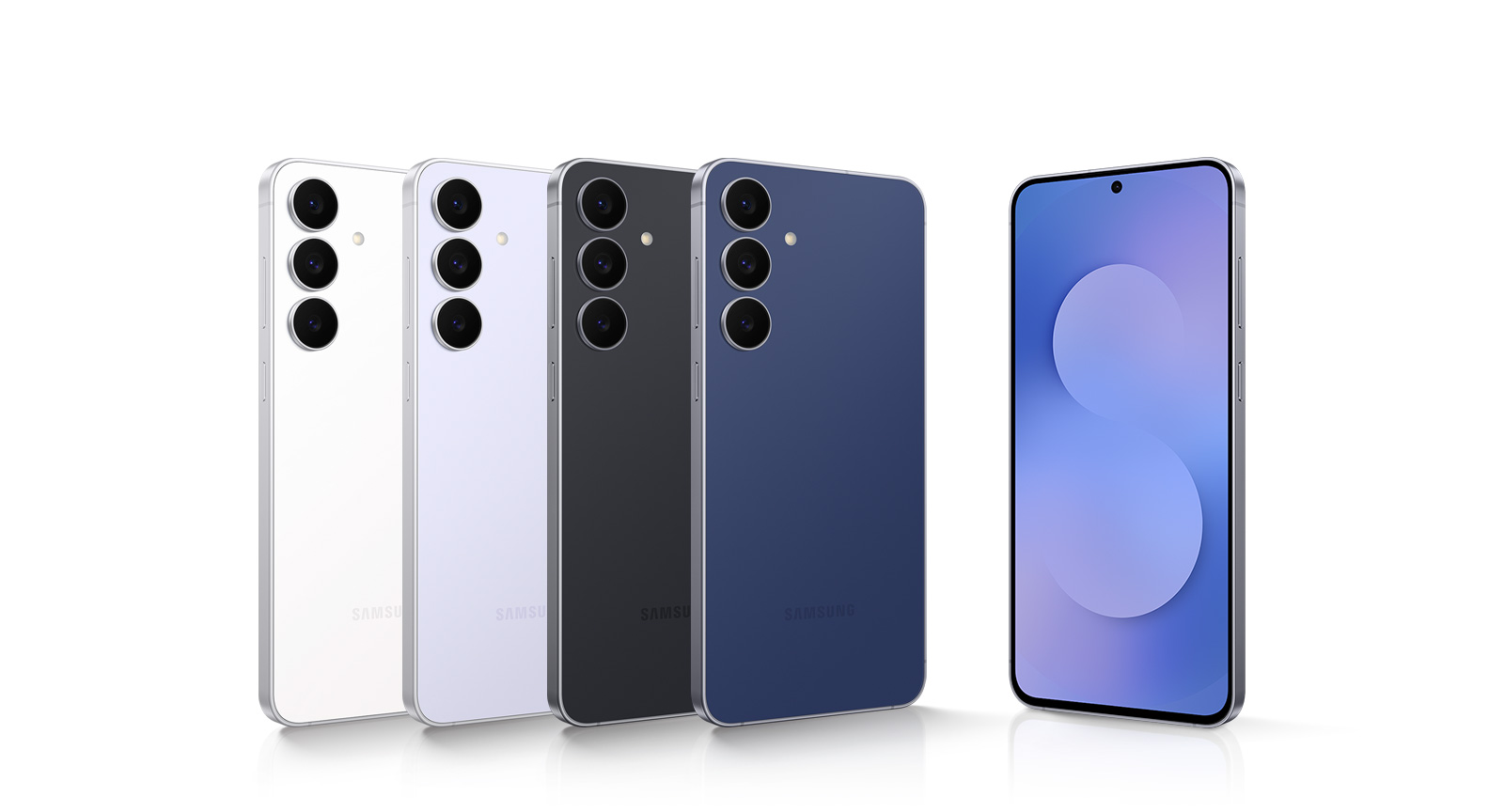
Samsung has registered the first test builds of the One UI 9 software shell for the upcoming Galaxy S26 FE. The model for the Korean market carries the code SM-S741N, and the build received the number S741NKSU0AZE5. The leak was noticed by insider MohammedKhatri on social network X.
Why this appeared before the shell itself
One UI 9 has not yet been officially released — according to Sammy Fans, the full software release is expected at the end of July 2026. This means Samsung is already testing the Galaxy S26 FE on a shell that consumers don't yet have. This is standard practice for devices that are supposed to launch with the latest version of software "out of the box" — and at the same time, an indirect signal about launch timelines.
The appearance of the smartphone on the One UI 9 test server essentially rules out its announcement before the foldable Galaxy Z Fold 8 and Galaxy Z Flip 8, which are scheduled to be presented on July 22. The FE series traditionally launches in autumn: according to PhoneArena's estimates, the Galaxy S26 FE announcement should be expected in September–October 2026.
The main intrigue — not the shell, but the chip
Testing One UI 9 in itself is routine technical work. Much more interesting is another detail from the leaks: a Galaxy S26 FE prototype appeared in the Geekbench benchmark with an Exynos 2500 processor and 8 GB of RAM.
«If Samsung really uses the Exynos 2500, this will be the most powerful Fan Edition that the company has ever released».
MegaMobileContent, analysis of Geekbench leak
Previous FE models — S21 FE, S23 FE, S25 FE — were equipped with either the previous generation processor or mid-range Snapdragon chips. The Exynos 2500 in the S26 FE prototype showed 2,426 points in the single-threaded test and 8,004 — in the multi-threaded test. This is the level of 2025 flagships and noticeably higher than what is usually expected from the FE series.
What this means for buyers
- Seven-year software support — PhoneArena expects the S26 FE to receive seven years of updates, just like the main S26 lineup.
- Galaxy AI in full scope — Circle to Search, Photo Assist, Audio Eraser and updated Now Brief functions, which debuted in the flagship S26 series.
- Android 17 at launch — One UI 9 is based on Android 17, which is still in developer preview. This once again confirms: the release is no earlier than the fourth quarter of 2026.
- Price is unknown, but PhoneArena estimates the starting price at around $650 for the US market.
If Samsung really puts the same Exynos 2500 that it uses in some flagship S26 models into the budget FE, the boundary between «affordable» and «flagship» in the lineup will become purely marketing — and then there is only one question: at what price is the company willing to do this without devaluing the main series?