Samsung to unveil "Brain Health" at CES 2026 — gadgets will learn to detect early signs of dementia
At CES 2026 Samsung will unveil a feature called Brain Health that will analyze gait, voice and sleep to detect changes in cognitive condition. It’s a step toward preventive medicine — important for users and healthcare systems — but when and in which regions (including Ukraine) it will become available is not yet known.

By Tetiana Suchkova-Ladik
December 30, 2025 · 2 min read
What was shown at CES 2026
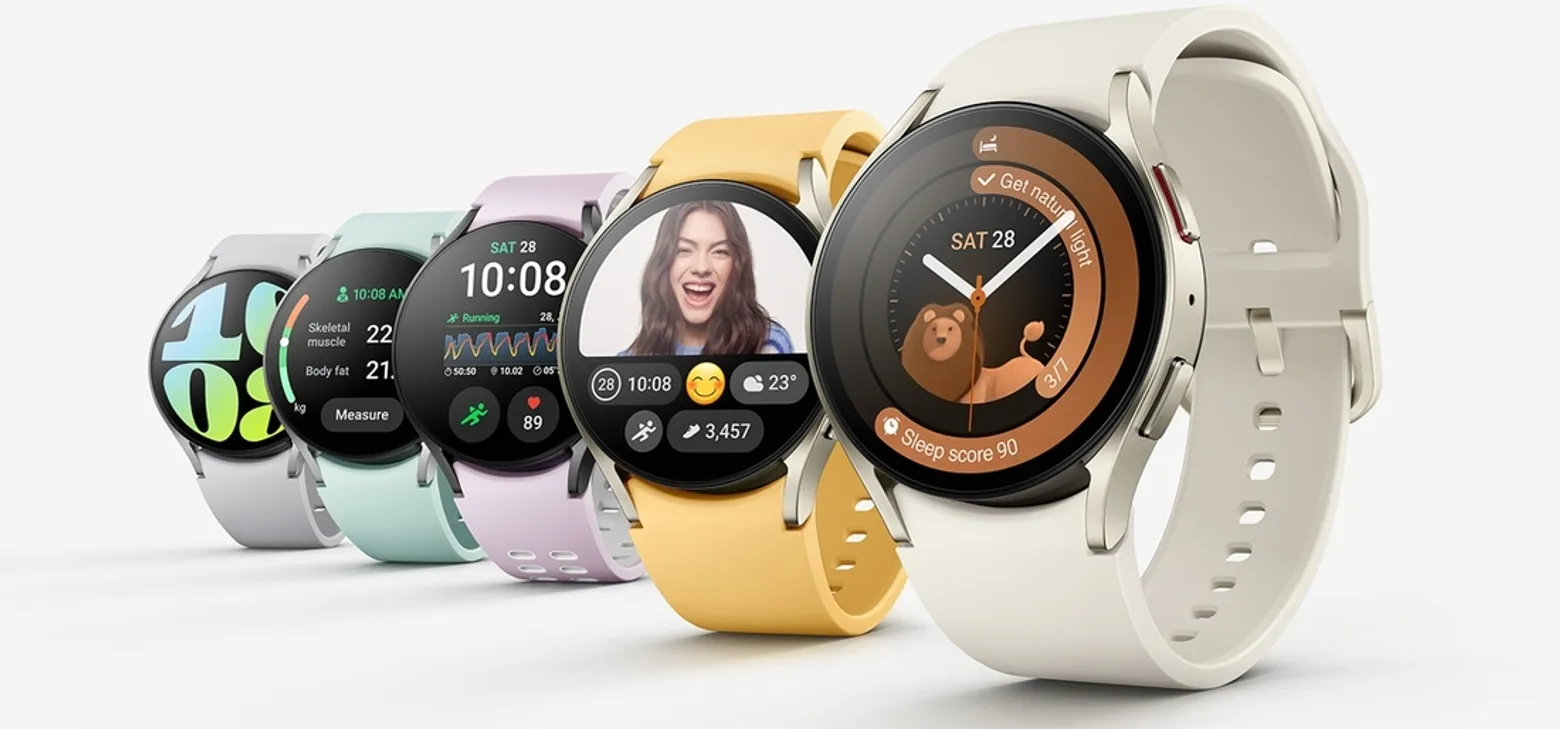
At CES 2026 in Las Vegas Samsung will for the first time demonstrate the Brain Health feature, which is intended to analyze data from Galaxy devices — in particular gait, voice and sleep — to detect early signs of dementia and offer individualized brain training programs. The new feature will be presented as part of The First Look exhibition at the Wynn hotel and will become part of the Samsung Health platform. This was reported by SamMobile.
"At CES 2026 in Las Vegas Samsung will for the first time show the Brain Health feature, which will be able to detect early signs of dementia."
— SamMobile
How it works
The system will analyze behavioral and biometric markers: changes in gait, voice characteristics and sleep patterns. Based on these indicators, Brain Health is meant to identify deviations in cognitive state and generate recommendations and personalized training. Samsung says the development is complete and it is being tested together with medical institutions, but details of the algorithms and clinical validation have not yet been released.
Why this matters
Preventive medicine technologies shift part of diagnostics from clinics into everyday life. For the user this means early signals that can speed up consulting a doctor and intervention at early stages. For healthcare systems — a potential reduction in burden through preventive measures. For Ukraine this has additional significance: in wartime the number of people with head injuries and chronic stress is increasing, so tools for early detection of cognitive changes can become a useful complement to medical support.
What remains unknown
Samsung does not say when exactly Brain Health will become available to users, which models will support it, and in which regions the service will be launched. Important questions also remain about the accuracy of the algorithms, the risk of false positives or false negatives, as well as protection of personal data and compliance with medical regulations in different countries.
Context and outlook
This is part of a broader trend: makers of wearables and smartphones are integrating medical services to offer not only devices but health-care ecosystems. For Ukrainian users and healthcare systems, the key issues will be certification, language localization and availability of the service in our region — the practical usefulness of the technology will depend on these factors.
Conclusion
The demonstration of Brain Health at CES is an important signal: major tech companies are moving toward prevention and digital diagnostics. But between the announcement and full-fledged benefit lie verification of effectiveness, regulatory processes and availability in specific countries. For now, we should follow the tests and official Samsung statements regarding release dates and support for Ukraine.