Samsung One UI 8.5 Released After Five Months of Testing — Will Bring Android 16 Even to S22
An update that Samsung tested through ten beta versions has finally become stable. The list of compatible devices includes phones from 2022 — but not all will receive the same set of features.

By Tetiana Suchkova-Ladik
May 6, 2026 · 2 min read
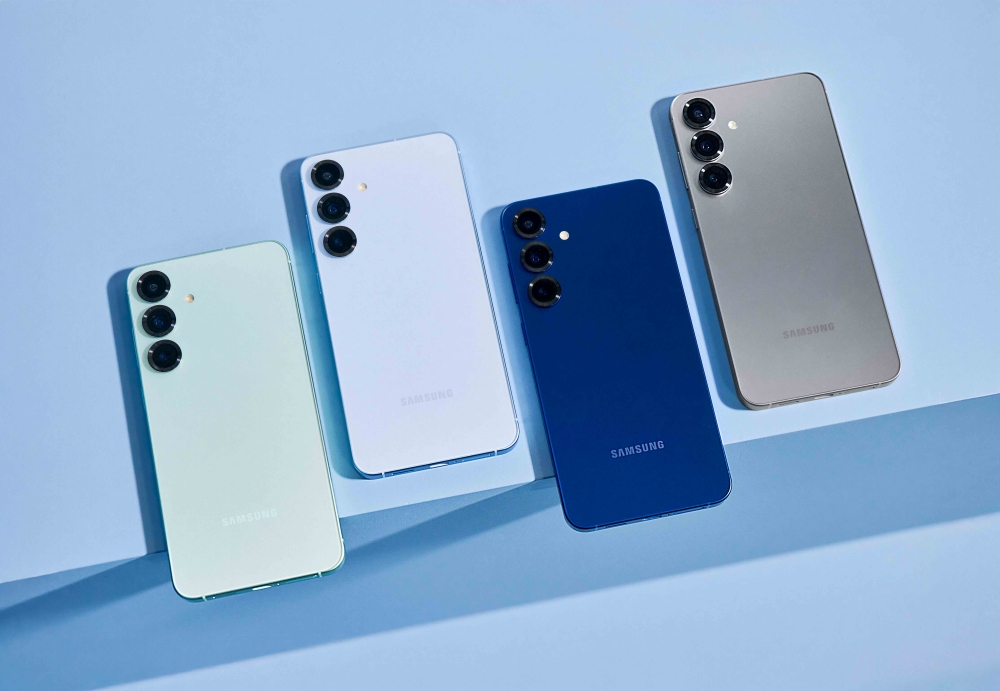
On May 6, Samsung began stable rollout of One UI 8.5 (Android 16) for the Galaxy S25 series in South Korea. This is not a routine update: exactly five months and ten beta versions passed between the start of beta testing and the final release — twice the usual Samsung cycle.
What changed and why this is more than just a "new look"
The central change is not a redesign, but an expansion of Galaxy AI. The update adds the Now Nudge feature, which suggests actions based on usage context, and Contextual Bixby powered by Perplexity. Additionally, Photo Assist, Meeting Assistant, and Smart Clipboard have appeared — tools that were previously available only on S25 flagships. In parallel, the Quick Settings panel has been redesigned with split-screen mode support, and the Privacy Protection feature automatically blurs sensitive data in documents before they appear in a screenshot or attachment.
"One UI 8.5 allows you to do more with less effort — through updates to navigation, device management, and security"
Samsung Electronics, official beta program announcement
Which devices will receive the update
The first wave includes the Galaxy S25, S25+, and S25 Ultra. Next, according to the confirmed list of compatible devices, the update is expected on:
- Galaxy S24, S24+, S24 Ultra, S24 FE
- Galaxy S23, S23+, S23 Ultra, S23 FE
- Galaxy S22, S22+, S22 Ultra and S21 FE
- Galaxy Z Fold 5, 6, 7 and Z Flip 5, 6, 7
- Galaxy A36 — the only budget model on the confirmed list
Owners of foldable devices will receive additional features for large screens: improved app continuity and adaptive AI hints, according to Sammy Fans.
Five months and ten beta versions: what does this mean
Samsung's standard cycle is four to five beta builds over two to three months. One UI 8.5 broke this pattern: the testing program started in December, the tenth beta was used internally before the final release, and the release date was delayed at least twice — from April 30 and May 4, according to SammyFans. Samsung did not publish an official rollout schedule for other regions.
The lengthy testing cycle can be interpreted in two ways: either the company truly stabilized AI features before the wide release, or the complexity of integrating Android 16 QPR2 turned out to be higher than expected.
If Samsung maintains its previous update pace, the S24 series will receive the stable version within a few weeks — but this will only happen if the S25 rollout does not reveal critical bugs and does not force the company to suspend distribution, as has happened with previous major One UI releases.



