Samsung updates Galaxy S26 Ultra cameras — what's changing and why it matters
According to insiders, the S26 Ultra will receive new lenses, an anti-reflective coating and powerful sensors. This is not just a technical upgrade — it matters for the quality of video communications, content creators and journalism in Ukraine.

By Tetiana Suchkova-Ladik
December 30, 2025 · 2 min read
What insiders report
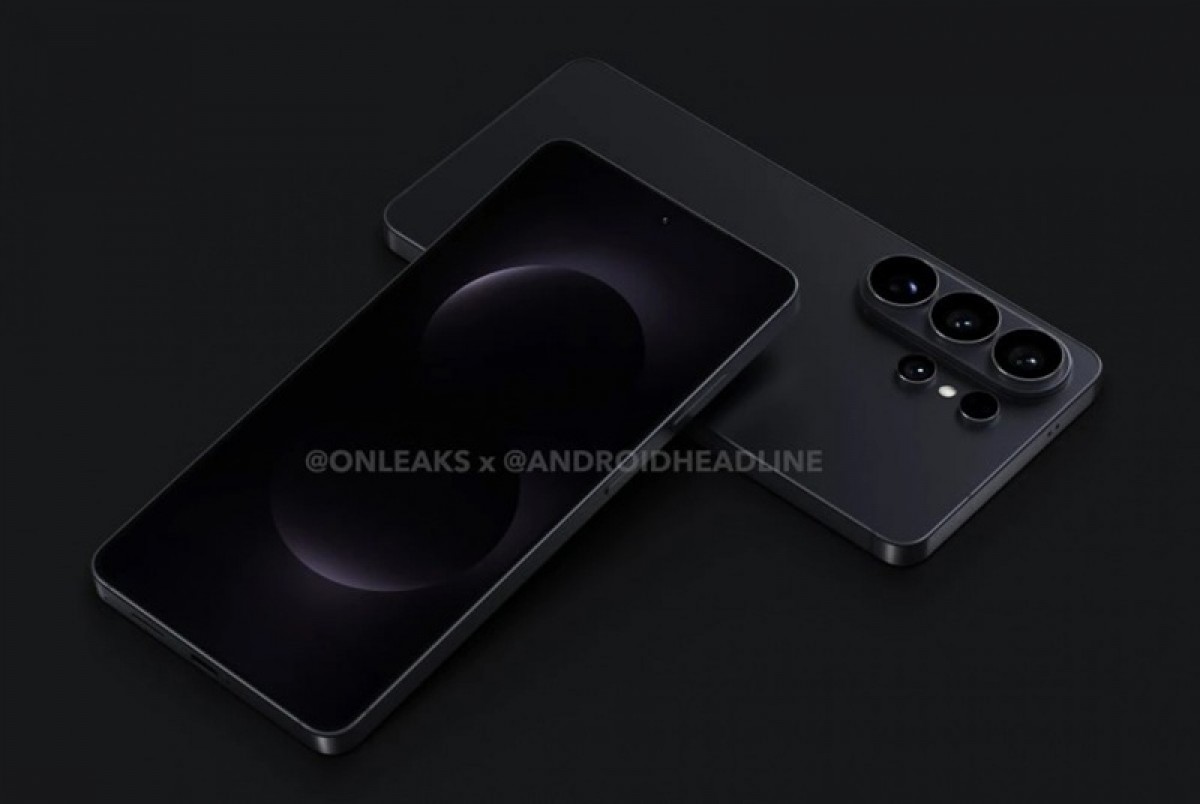
Ice Universe reports that Samsung plans to update the optics in the Galaxy S26 Ultra flagship: new lenses and a changed body coating designed to reduce lens flare during shooting. This is not trivial — reducing flares directly affects image quality and the ability to get a clean shot in challenging lighting.
Technical details
According to GSMArena, the main camera module will consist of four sensors and accompanying lenses: 200 MP (ISOCELL HP2) as the primary sensor, 50 MP ultrawide (Samsung JN3), 50 MP periscope (IMX854) and 12 MP telephoto (Samsung S5K3LD). The main camera is reportedly getting a wider f/1.4 aperture instead of f/1.7 in its predecessor, while the front module will be based on the Sony IMX874 (12 MP).
"The improved body coating should reduce glare during shooting"
— Ice Universe, insider
"The main camera will consist of four modules: 200 MP ISOCELL HP2, 50 MP Samsung JN3, 50 MP IMX854 and 12 MP S5K3LD"
— GSMArena
Why it matters (especially for Ukraine)
A camera upgrade is not just marketing. Better coatings and a larger aperture mean higher-quality photos in challenging light: for evening reports, live broadcasts from the scene, or video calls with loved ones. For Ukrainian journalists, content creators and volunteers, more accurate shots and correct color reproduction have practical value.
What else will affect the outcome
Hardware sensors are only the base. The real difference will depend on image processing algorithms (ISP, AI post-processing) and software optimization. Therefore, it’s important to watch not only the hardware release date but also how Samsung tunes the camera in firmware and services.
When to expect it
The official presentation is expected in early 2026. Until then, we will likely see additional confirmations and comparisons with the current flagship.
Conclusion
The camera updates in the S26 Ultra look like a step toward improving image quality in real-world usage — from personal photos to professional shooting and reporting. The question is how quickly and effectively Samsung will integrate the hardware improvements into the software stack so users in Ukraine and worldwide see a noticeable result.