Samsung Confirms Satellite Connectivity in Galaxy S26 Series — Why It Matters for Ukraine
Samsung announced that all Galaxy S26 models will receive satellite services. This is not just a technological novelty — it's a step toward resilient communications during outages and in remote areas. We break down what exactly will work, who the partners are, and when to expect the service in Ukraine.

By Tetiana Suchkova-Ladik
March 2, 2026 · 2 min read
What was announced
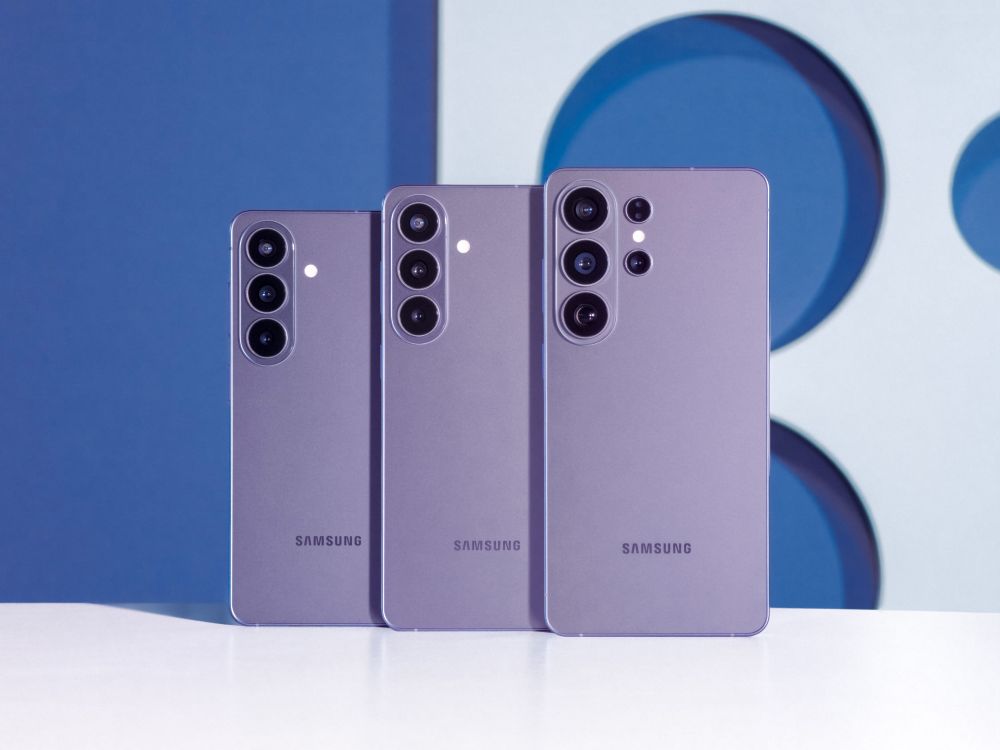
Samsung has confirmed that all three models of the Galaxy S26 series — Galaxy S26, S26+ and S26 Ultra — will support satellite connectivity. According to official information, the features will allow sending text messages, transmitting data and requesting emergency assistance where there is no mobile network coverage.
"Satellite services provide connectivity in places with no mobile coverage, allowing messages to be sent, important data to be transmitted and contact to be made with emergency services."
— Samsung Electronics
Partners and regions: who the update will affect
In Europe Samsung named Virgin Media O2 and Vodafone as partners, and in Spain trials with MasOrange were announced to begin in March. In the US the company is partnering with Verizon for eSOS services and satellite messaging, and is also working with AT&T and T‑Mobile. Some flagship models and parts of the Galaxy A series will also receive satellite text and data services — but this will depend on the operator, the market and the software version (OS / One UI).
What this means for Ukraine
For Ukrainian users the key argument is resilience of communications. In areas with destroyed infrastructure, during natural disasters or power outages, a satellite channel can become the only way to transmit critical information. It is also important for rescue operations and volunteer networks that often operate in remote areas.
"For Ukraine, the ability to use satellite channels directly from a smartphone increases the speed and reliability of communication, but the effect will depend on local operator partnerships and regulatory decisions."
— mobile networks expert, Center for Strategic Communications
Technical and regulatory nuances
The rollout of satellite features will be gradual. Even if the hardware supports it, the service may not be available immediately — due to agreements with operators, licensing, frequency restrictions and One UI updates. In other words, the presence of this option in a smartphone does not guarantee instant access in every region.
Broader context: not just connectivity
Samsung is also expanding its ecosystem: the new flagships include the voice assistant Perplexity AI, and the Galaxy Buds 4 have already debuted in Ukraine. This signals that the company is working not only on basic connectivity resilience but also on integrated services that can increase the operational value of the device in both civilian and critical scenarios.
Conclusion
Confirmation of satellite connectivity in the Galaxy S26 is a practical step toward greater technological resilience. For the Ukrainian market, questions of availability through operators and regulatory decisions will remain important. The declarations are there; now it is time to turn them into working services — and that responsibility lies not only with manufacturers but also with local operators and regulators.