Samsung brings the Galaxy S26 to Ukraine: what the arrival of the flagships means and how much they cost
The launch of Galaxy S26 sales in Ukraine is not just about phones. It’s a signal of market confidence, brings new tools for security, and offers an opportunity to upgrade communications infrastructure. We explain what’s important in the new lineup and how it can be useful here and now.

By Tetiana Suchkova-Ladik
March 18, 2026 · 2 min read
Start of sales: short and to the point
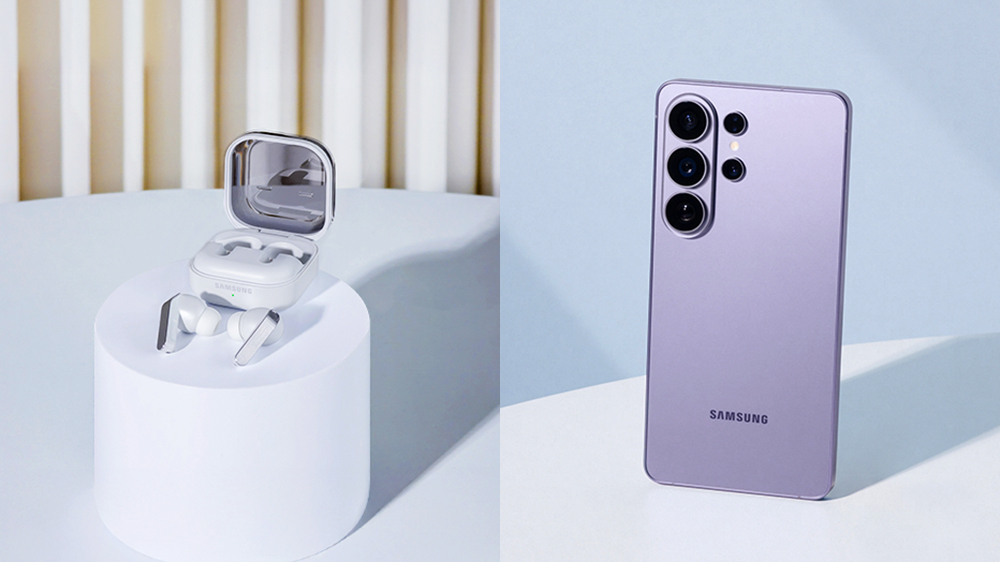
Samsung announced the start of sales of the entire Galaxy S26 lineup in Ukraine — three smartphones S26, S26+ and S26 Ultra, as well as the wireless headphones Galaxy Buds4 and Buds4 Pro. For consumers this means not only new flagships on store shelves, but also the restoration of access to modern technologies in our country.
What’s new in the S26 family
The flagship Galaxy S26 Ultra received the Privacy Display feature, which limits the screen's viewing angle at the pixel level — useful for privacy in public places. The devices are powered by the Snapdragon 8 Elite Gen 5 Mobile Platform for Galaxy processor, which, according to the manufacturer, boosts performance and energy efficiency.
Cameras and AI-based software were also updated: Nightography video mode for low-light shooting, improved stabilization for video in motion, and editing tools like Photo Assist and Creative Studio that make correcting and generating visual content faster and easier.
"The launch of the S26 lineup in Ukraine confirms the priority of supporting the local market and making new technologies accessible to Ukrainians"
— Samsung Electronics
Accessories: sound and comfort
The Galaxy Buds4 and Buds4 Pro received an updated design; in the Pro version the manufacturer highlights a new woofer, an adaptive equalizer and improved active noise cancellation — useful both for everyday use and for fieldwork or on the go.
Prices and what this means for Ukrainians
In official sales in Ukraine prices start from 45,999 UAH for the Galaxy S26, 53,999 UAH for the S26+ and from 64,999 UAH for the S26 Ultra with 256 GB. Buds4 — 6,999 UAH, Buds4 Pro — 10,699 UAH. For the buyer it's a choice between performance, camera and additional features — and an important indicator of the level of competition in the electronics market in Ukraine.
"The presence of flagships in local sales is not only about sales. It's a signal of trust from investors and suppliers that the market is working and ready for renewal"
— Industry analyst (comment for RazomUA)
Security, communication, economy — why this matters
At a time when stable connectivity and reliable devices matter for security and work, support for new models means wider dissemination of technologies, compatibility with services (including those that support satellite communication) and infrastructure updates. For the economy it also means taxes, service and jobs — small but tangible effects.
What to pay attention to before buying
Consider whether you need flagship camera capabilities and performance, or if the base model is enough. Check the official warranty and service support in Ukraine. If privacy and secure communications are important to you — pay attention to the Privacy Display and the available network options.
Conclusion
The arrival of the Galaxy S26 in Ukraine is more than a gadget release: it's a signal that major manufacturers continue to invest in the Ukrainian market. For users it means new opportunities, for the market — confirmation of stability. The next step is how quickly these opportunities will turn into accessible services and offerings for citizens and businesses.