Samsung registers Galaxy A08 4G and Wide 9: one will replace A07, the other exists only for one operator
Two new Samsung devices have appeared in the GSMA database — and while the A08 4G is a standard budget update, the Wide 9 demonstrates how the company supports an exclusive lineup for a single Korean operator SK Telecom over the years.

By Tetiana Suchkova-Ladik
April 8, 2026 · 2 min read
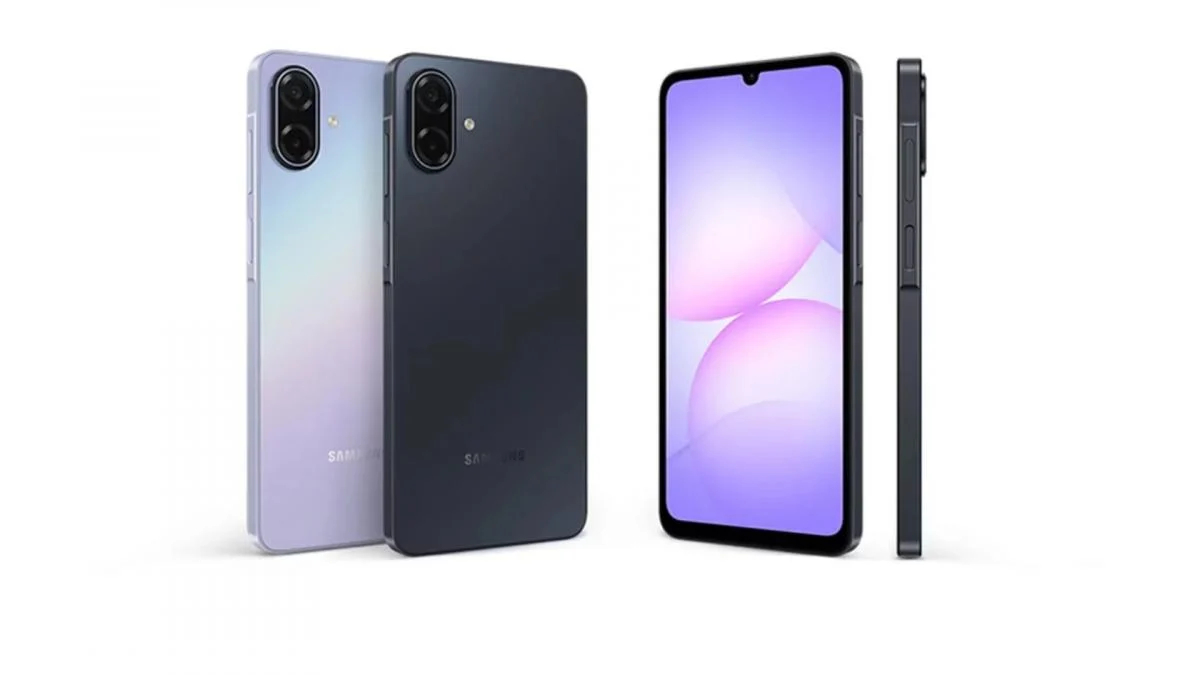
Two new Samsung smartphones have been registered in the GSMA database — SM-A085F and SM-M176S. According to the company's naming convention, these are the upcoming Galaxy A08 4G and Galaxy Wide 9. SamMobile reported the registration.
Galaxy A08 4G: Mediatek instead of Exynos and a step toward Android 16
The Galaxy A08 4G is considered the successor to the Galaxy A07 4G, unveiled in August 2025. According to Smartprix, the new device will feature a Mediatek Helio G100 chip, 4 GB of RAM, a 6.67-inch display with 90 Hz refresh rate, a 50 MP main camera, and a battery capacity standard for the budget segment — all running Android 16. For the sub-$150 segment, the transition from Samsung's own Exynos to Mediatek G100 is a notable hardware upgrade: the chip is designed for stable gaming performance in the budget category.
Galaxy Wide 9: a phone that exists nowhere outside Korea
The SM-M176S model is more interesting from a business perspective. Galaxy Wide is a product line that Samsung has released exclusively for SK Telecom since 2016. As NamuWiki explains, this is not a separately designed product: the company takes a global model and repackages it under an exclusive contract with the carrier.
"This is not a smartphone developed from scratch for SK Telecom — a global model is adapted for the Wide series."
NamuWiki, article about the Galaxy Wide series
In this case, the Galaxy M17 5G will serve as the basis for the Wide 9 — a model released in October 2025 for India and other markets. The Galaxy M17 5G is built on the Exynos 1330 chip, features a 6.7-inch Super AMOLED display, a 5000 mAh battery, and comes with Android 15 and a promise of 6 major OS updates. Essentially, the M17 5G is itself a rebranded Galaxy A17 5G — Samsung works out a single hardware design through three different brands across different regions.
- Galaxy A17 5G — global market
- Galaxy M17 5G — India and select markets (October 2025)
- Galaxy Wide 9 — exclusively SK Telecom, South Korea (expected)
What stands behind GSMA registration
The appearance of both models in the GSMA database means that the devices have undergone or are undergoing radio equipment certification — a standard step a few weeks or months before commercial launch. The previous model in the Wide series, Galaxy Wide 8 (SM-M166S), also initially appeared in the Korean radio certification database before being released through SK Telecom.
The parallel launch of two such different devices — a global budget phone and a regional exclusive — illustrates how Samsung maintains its market share simultaneously across two dimensions: through the global scale of the A series and through long-term contracts with carriers within the country.
If Samsung adheres to its annual cycle for the Wide series and aims for spring, the Galaxy Wide 9 could enter commercial availability as early as the first quarter of 2026 — but only if SK Telecom confirms the continuation of the exclusive partnership, which is not publicly guaranteed for each new cycle.



