Samsung launches One UI 9 beta: first major update after One UI 8.5 — not for everyone and not right away
One UI 9 based on Android 17 has opened beta testing for the Galaxy S26 — but the stable version with a complete AI package will come not to the S26, but to foldable flagships in the summer. Samsung is testing a sequence that is difficult to call random.

By Tetiana Suchkova-Ladik
May 12, 2026 · 2 min read
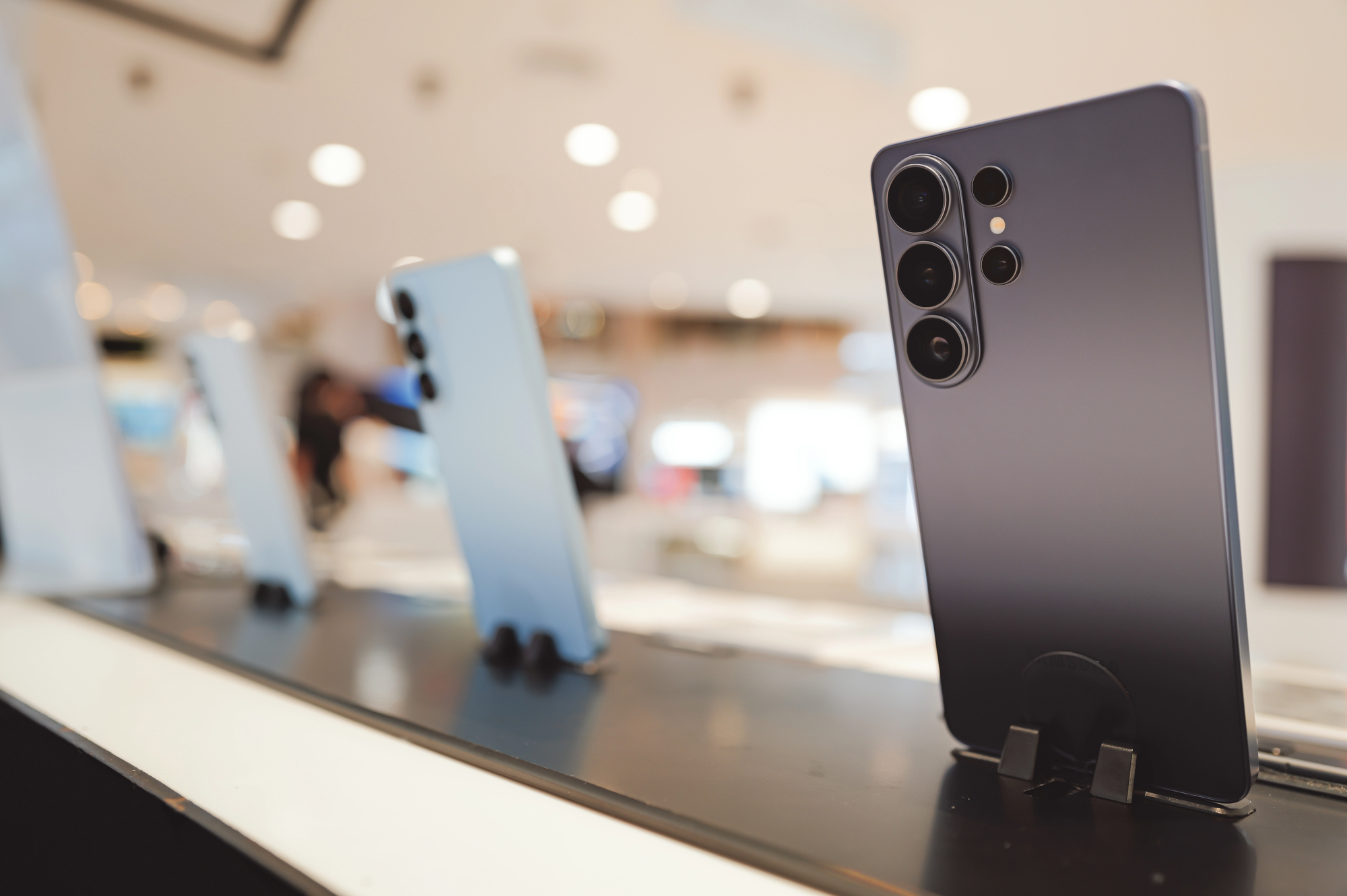
Samsung officially launched a beta program for One UI 9 for the Galaxy S26 lineup. At first glance — a routine update. But looking at the timeline: S26 launched in March with One UI 8.5, and just two months later the company is launching tests for the next version. Meanwhile, the complete package of AI features in the stable release will be available not to S26 owners, but to Galaxy Z Fold 8 and Z Flip 8 owners — expected in July.
What really changes in the interface
The most noticeable changes are in the Quick Settings panel. Brightness, sound, and media player are now controlled independently, with more size options for individual preferences. It's a minor detail, but it's the one that has frustrated users the longest: in previous versions, Quick Panel blocks were rigidly linked.
Samsung Notes gained decorative ribbons and new pen line styles. In the Contacts app — direct integration with Creative Studio for generating personalized profile cards. Accessibility has been significantly improved: configurable Mouse Key cursor speed and an updated TalkBack suite that combines features that Google and Samsung previously offered separately.
Security: a new approach to suspicious apps
One UI 9 strengthens protection: when new high-risk apps are detected, the system warns the user, blocks launch and installation, and recommends removal through security policy updates. This is not antivirus in the classical sense — Samsung integrates threat logic directly into system updates.
It's worth noting separately the change at the Android 17 level, which Samsung inherits: Android 17 introduces system contact selection — now apps can only access contacts that the user explicitly allowed. Previously, contact permission gave access to the entire list.
Where the line is between S26 beta and stable release
Samsung clearly distinguishes between two phases. The first stable release of One UI 9 will come to "future flagship devices later this year" — Samsung points to Galaxy Z Fold 8 and other new foldable models expected in July. That means Galaxy S26 will receive stable One UI 9, but already after the foldable flagships and likely without the "advanced AI features" of the first wave.
One UI 9's stable release on new foldables will include advanced AI features that will make mobile interaction easy and effortless.
Samsung Newsroom, May 2026
The beta program is available in the United States, United Kingdom, Germany, Poland, India, and South Korea. Registration is through Samsung Members. An important note: registration is not guaranteed for everyone — the number of participants is limited.
If Samsung implements a scheme where foldable flagships first receive the complete AI package of stable One UI 9, this would mean that S26 owners — the largest-selling lineup — will become testers, not priority recipients. The question that will become relevant by August: will stable One UI 9 be released for Galaxy S26 by the end of the third quarter, or will Samsung stretch the cycle into fall — and then the gap between "this year's flagship" and the actual update will become an argument for competitors.