Samsung expands its 3D game library: 120 titles on Odyssey 3D Hub by the end of 2026 — why this matters for Ukrainian gamers and the industry
Samsung announced plans to increase the number of glasses-free 3D games on the Odyssey 3D Hub platform to 120 by the end of 2026. This is more than marketing — it’s a sign of how access to new content formats is changing and what opportunities this opens up for Ukrainian audiences and developers.

By Tetiana Suchkova-Ladik
March 10, 2026 · 2 min read
What was announced
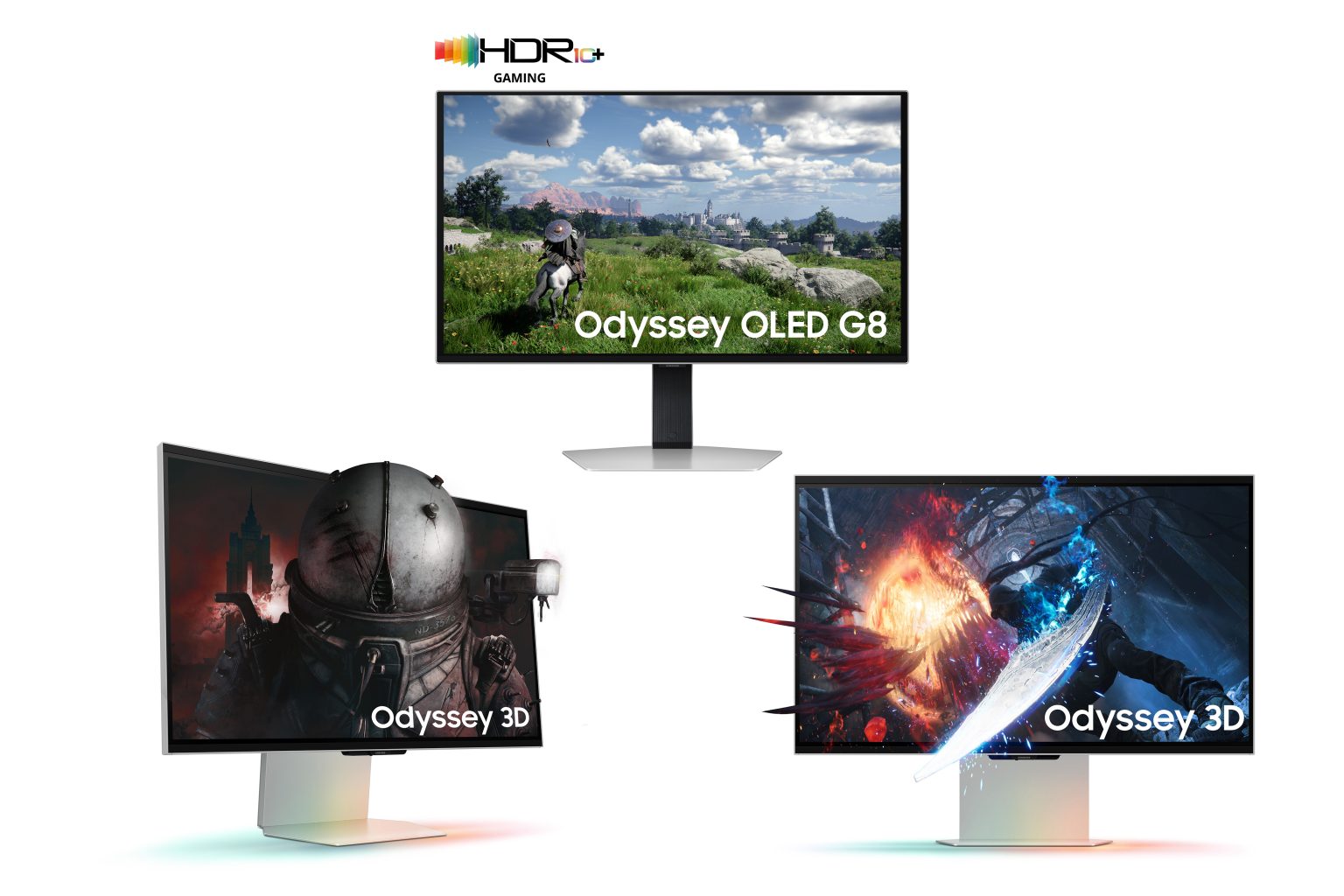
Samsung said that by the end of 2026 the Odyssey 3D Hub platform will offer around 120 games with support for glasses-free 3D. The service currently counts about 60 compatible titles; among the apps announced this year are Cronos: The New Dawn and Hell is Us. Already in the library are projects that have attracted wide attention from gamers: Stellar Blade, Lies of P and Psychonauts 2.
Technology — brief and to the point
The essence of the technology lies in the Odyssey series displays: they render volumetric images without special glasses by using a head-tracking system — the image adjusts to the user's position. This means increased depth perception of the scene and a different level of immersion, without additional accessories.
"The development of glasses-free 3D is about accessibility and new use cases for content, not only for entertainment."
— Samsung Electronics press service
Partnership and gaming standards
Samsung also announced a collaboration with CD Projekt Red to advance the HDR10+ Gaming standard. The companies plan to integrate support for this standard into Cyberpunk 2077, which will improve color reproduction and contrast on compatible displays.
Why this matters for Ukraine
First, a larger library means a wider choice of content for Ukrainian players, who have already received some of the new products — for example, the Galaxy Buds 4 series debuted in Ukraine. Second, industry changes create new niches for local developers and studios that can adapt their projects to the 3D format or collaborate with international partners. Third, head-tracking and volumetric visualization technologies have practical applications beyond entertainment — from educational simulations to training tools.
Context and consequences
Doubling the library by 2026 is not just a number: it's a sign that hardware and software makers are betting on glasses-free 3D as a mass format. For users, this means greater accessibility of the technology; for the market, a potential redistribution of investments into content and services. For Ukraine, it's a chance to leverage the wave of innovation to develop the local creative sector and improve the quality of the consumer experience.
Conclusion
This Samsung announcement is not only about new games. It's about an infrastructure of attention: major players are creating conditions in which content standards are changing. Now the question for Ukrainian gamers, developers and investors is: how to use these opportunities — in entertainment, education or professional simulations — in the coming years?