Nvidia CEO responds to criticism of DLSS 5: what it means for gamers and developers
Jensen Huang rejects accusations that DLSS 5 homogenizes visual style. We examine how the new generative technology works, what risks it poses, and why it is at once an opportunity and a challenge for Ukrainian studios.

By Tetiana Suchkova-Ladik
March 18, 2026 · 1 min read
What happened
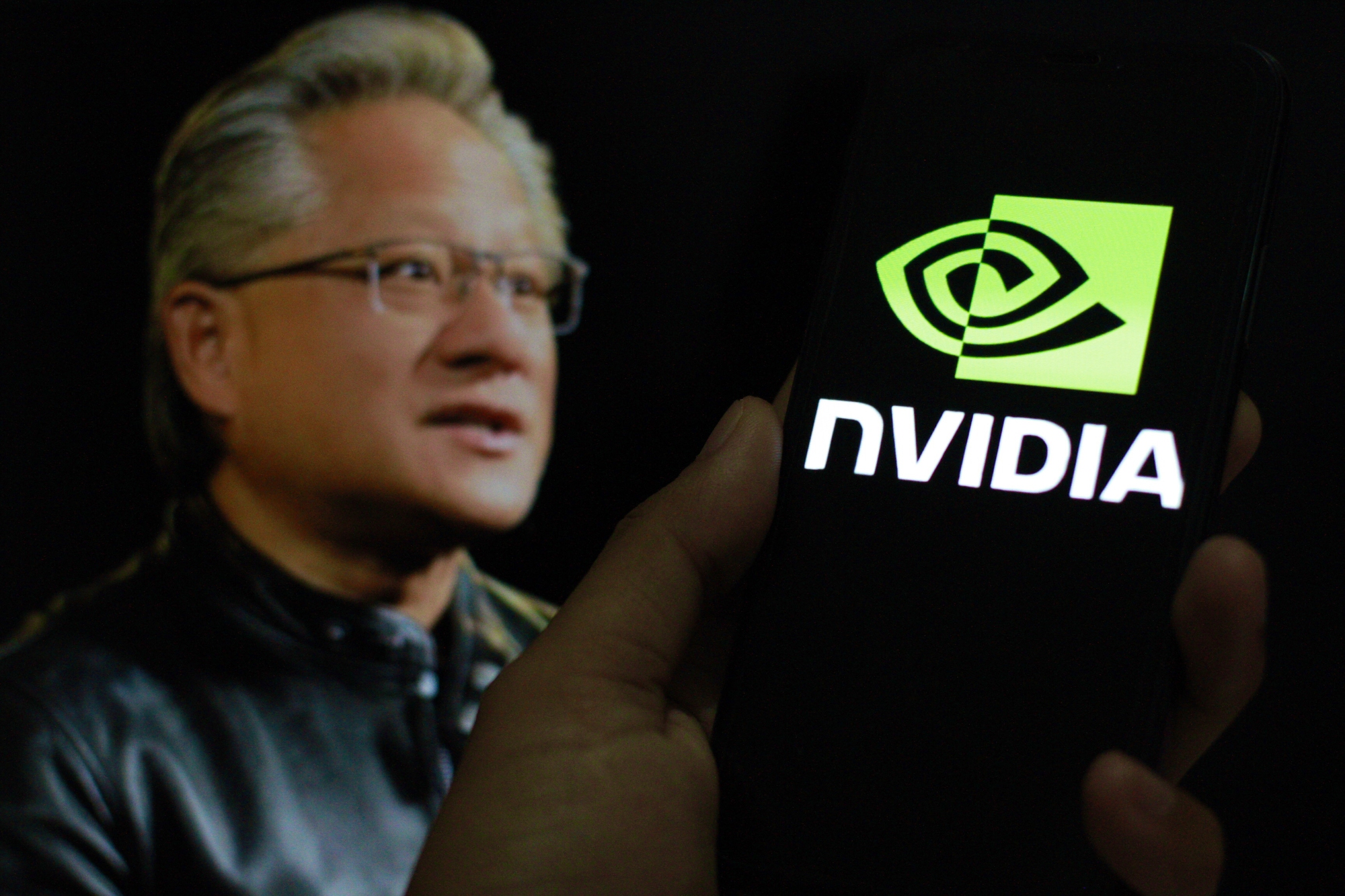
According to Tom's Hardware, Nvidia CEO Jensen Huang commented on the wave of criticism around DLSS 5 on social media. Some gamers and parts of the industry fear that generative AI will level out individual artistic styles and make graphics "homogeneous".
"Gamers are completely wrong in their assessments"
— Jensen Huang, CEO of Nvidia
Technique and arguments
Nvidia describes DLSS 5 as a system that combines generative AI and neural rendering. The company's key argument is that the technology operates not as a post-processing step but at the level of the scene's geometry, giving developers more points of control over the final look. Huang emphasized that the tool should be flexible and configurable to a game's artistic style, not impose one.
Why it matters
This is not just a technical dispute: it's about who will dictate the visual language of future games. For developers—especially smaller studios, including those in Ukraine—DLSS 5 could become a way to reach competitive quality faster with fewer resources. At the same time, analysts point to the risks of visual homogenization and vendor dependence if the tools remain closed or hard to customize.
Context and related initiatives
Nvidia plans technology demonstrations ahead of the official launch in fall 2026. At the same time the company is developing NemoClaw—a platform for AI agents with OpenShell protection—and the Space Computing initiative, which brings AI into satellite services. This points to a strategy: scaling AI not only for desktop gamers but also for the infrastructure of the future.
Conclusion
DLSS 5 could become a catalyst for change in game production: tools that simplify work also pose the challenge of preserving artistic control and competition. It is now important that developers—and Ukrainian ones in particular—have access to flexible settings, and that the industry openly discusses standards for the use of generative AI. Whether it's possible to combine innovation with a diversity of styles is the question for the next two years.



