U.S. Awards Lockheed Martin $142.6 Million THAAD Service Contract in UAE — What It Means for Regional Defense
A contract to provide technical support for two THAAD batteries through 2028 is a quiet but significant step in strengthening multilayer air defenses in the Middle East. We analyze why this matters and what lessons can be drawn for Ukrainian defense policy.

By Tetiana Suchkova-Ladik
December 31, 2025 · 2 min read
Essence of the contract
Lockheed Martin received a contract from the U.S. Department of Defense worth $142.6 million for technical support of THAAD air‑and‑missile defense systems deployed in the UAE. Work will include logistics, maintenance, repairs, software updates and engineering services for two batteries from January 2026 through August 2028; some work will be done in the United States, some in the UAE.
What THAAD is and how the system works
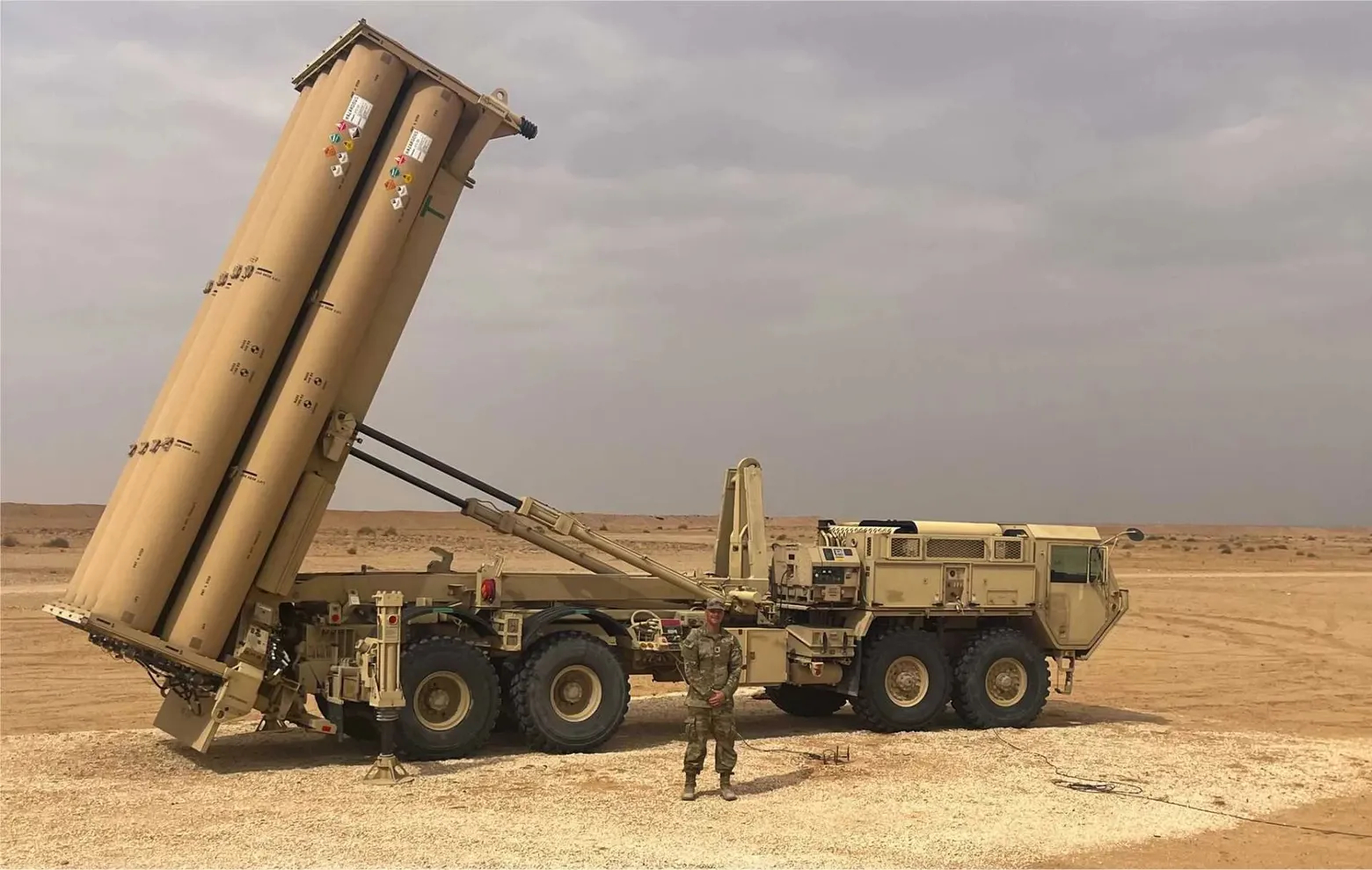
THAAD (Terminal High Altitude Area Defense) is a mobile anti‑ballistic missile system designed to intercept ballistic missiles during their terminal flight phase. It destroys targets via kinetic impact without an explosive warhead. Intercepts are possible at altitudes up to 150 km and at ranges up to 200 km.
A THAAD battery contains six launchers, an AN/TPY-2 radar and a command post. The system is deployed in South Korea, on Guam and in the Middle East; seven batteries are permanently deployed in the United States. THAAD fills the niche above the Patriot system’s envelope but below ship‑based Aegis interceptors.
Official interpretation
"The $142.6 million contract provides technical support for two THAAD batteries in the UAE to maintain the system's operational readiness in the region."
— U.S. Department of Defense (press release)
Why this matters
This is not just a service contract — it is confirmation of a strategy of long‑term presence and allied support in the region. Combined with the U.S. Army's recent purchase of 25 THAAD interceptor missiles, it signals continued investment in a layered air‑and‑missile defense architecture.
Parallel for Ukraine: partners' attention to integration and sustainment of complex air defense systems shows that defense modernization is a process that includes not only weapons deliveries but also service, logistics and sustainment programs. These elements determine combat readiness over the long term.
Context for the region and for defense doctrine
For the UAE, having THAAD sustainment in place means increased resilience against ballistic threats in a high‑tension area. For the United States, it preserves the ability to respond quickly and to maintain interoperability with allied systems.
Brief implications
The contract strengthens logistics chains for servicing complex air defense systems and reduces the risks of downtime. It is an important component in building continuous layered defense, a point also highlighted by European and Western experts, including Rheinmetall’s assessments of the costs of integrating such systems into comprehensive air‑defense networks.
Conclusion
Technical support for THAAD in the UAE is a less visible but strategically important step toward regional stability. For Ukraine, the key issue is not only acquiring systems but building mechanisms for their long‑term operation: sustainment contracts, personnel training and software updates — the elements that determine real combat effectiveness tomorrow.